
Kategorie: Technique Tuesday
Weekly mini-series: short explainers of art techniques through a single painting example.
-
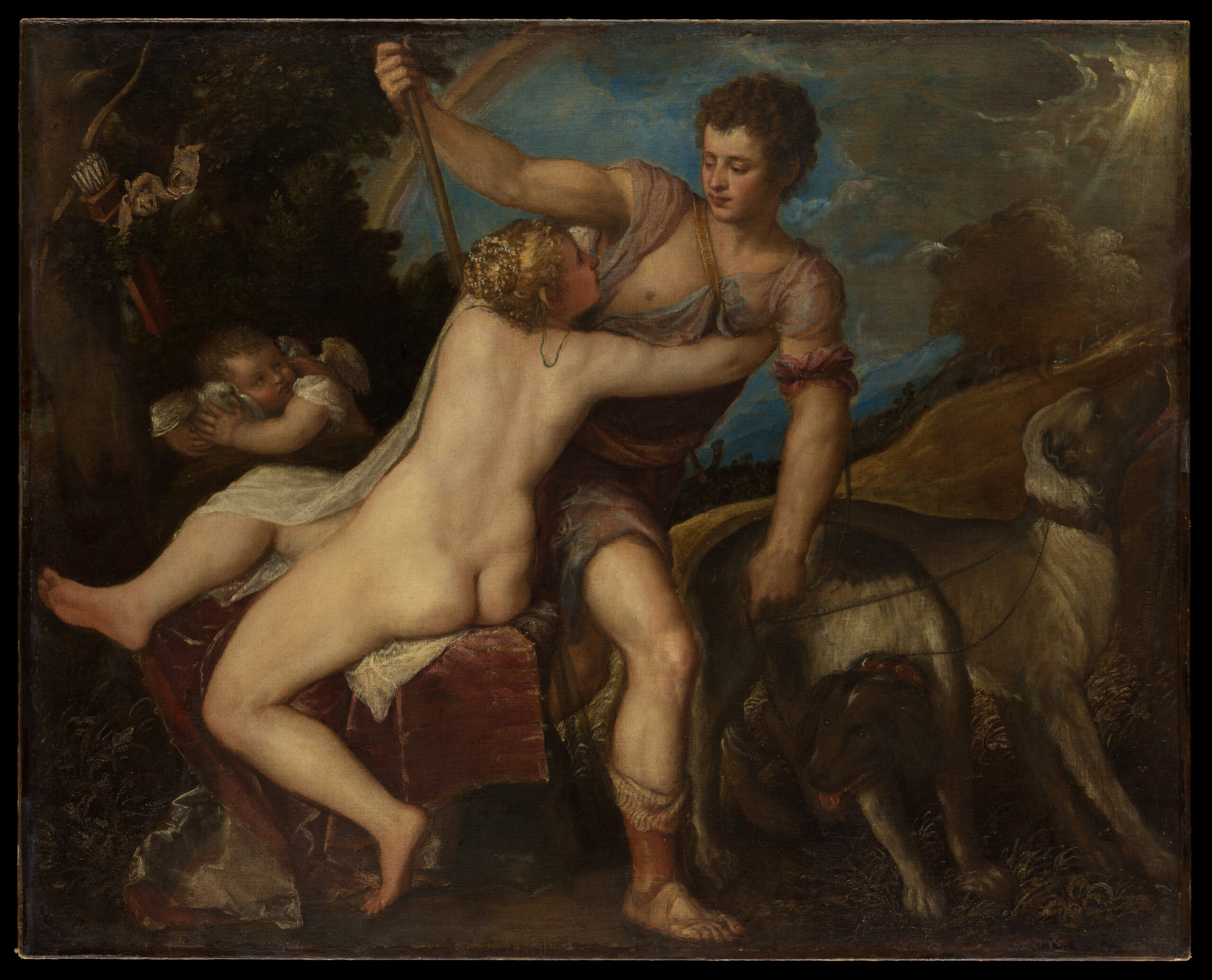
Technique Tuesday: Titian’s Golden Veil – Glazing Flesh in “Venus and Adonis”
How Titian’s layered oil glazes turn Venus’s skin in Venus and Adonis (1550s, The Met) into a luminous, living surface—more like light in flesh than paint on canvas.
-
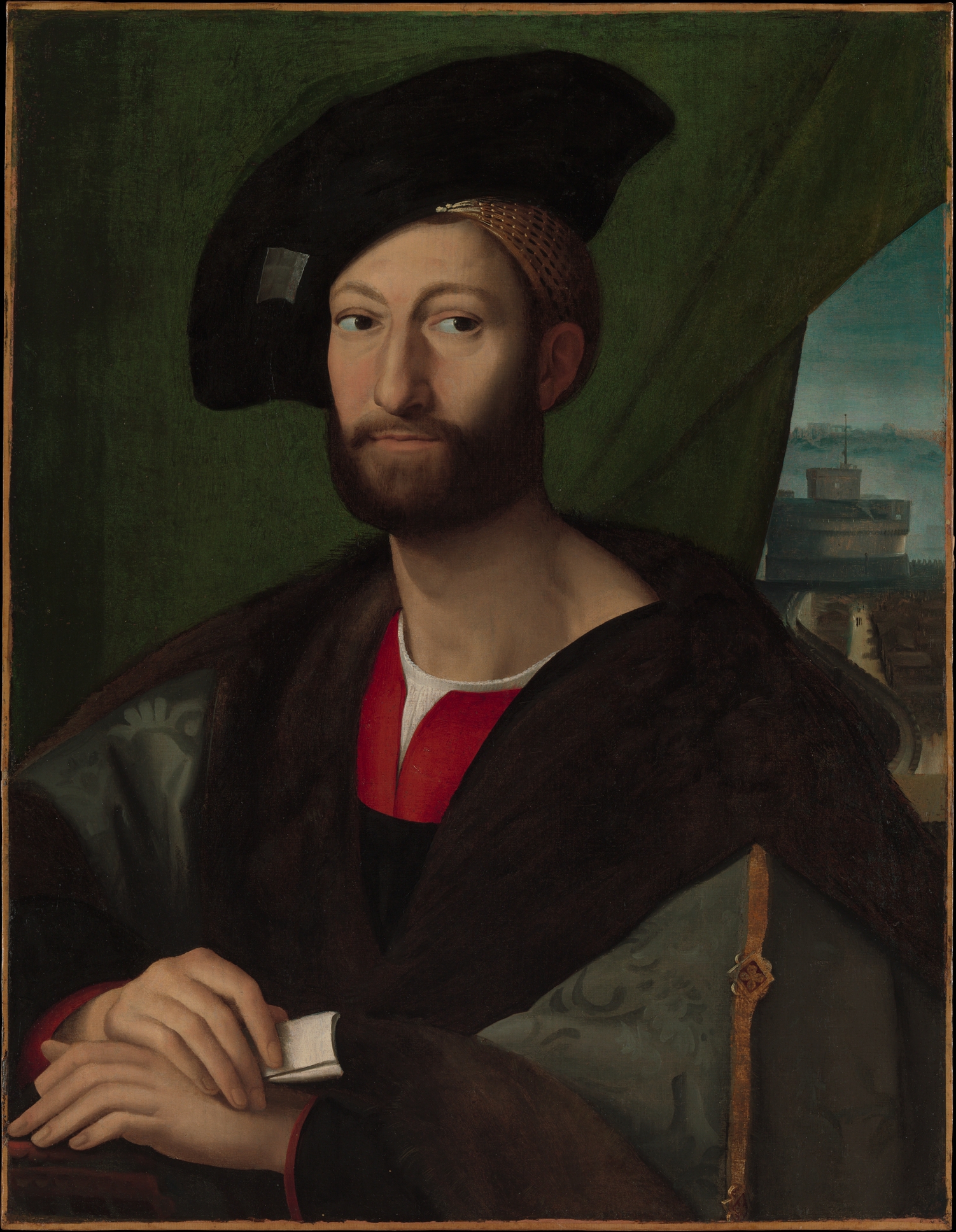
Technique Tuesday: Raphael’s Invisible Architecture – Perspective in The School of Athens
How Raphael’s School of Athens uses one-point linear perspective as an invisible architecture – turning a crowded gathering of philosophers into a lucid, walk‑in world of stone, light, and converging lines.
-
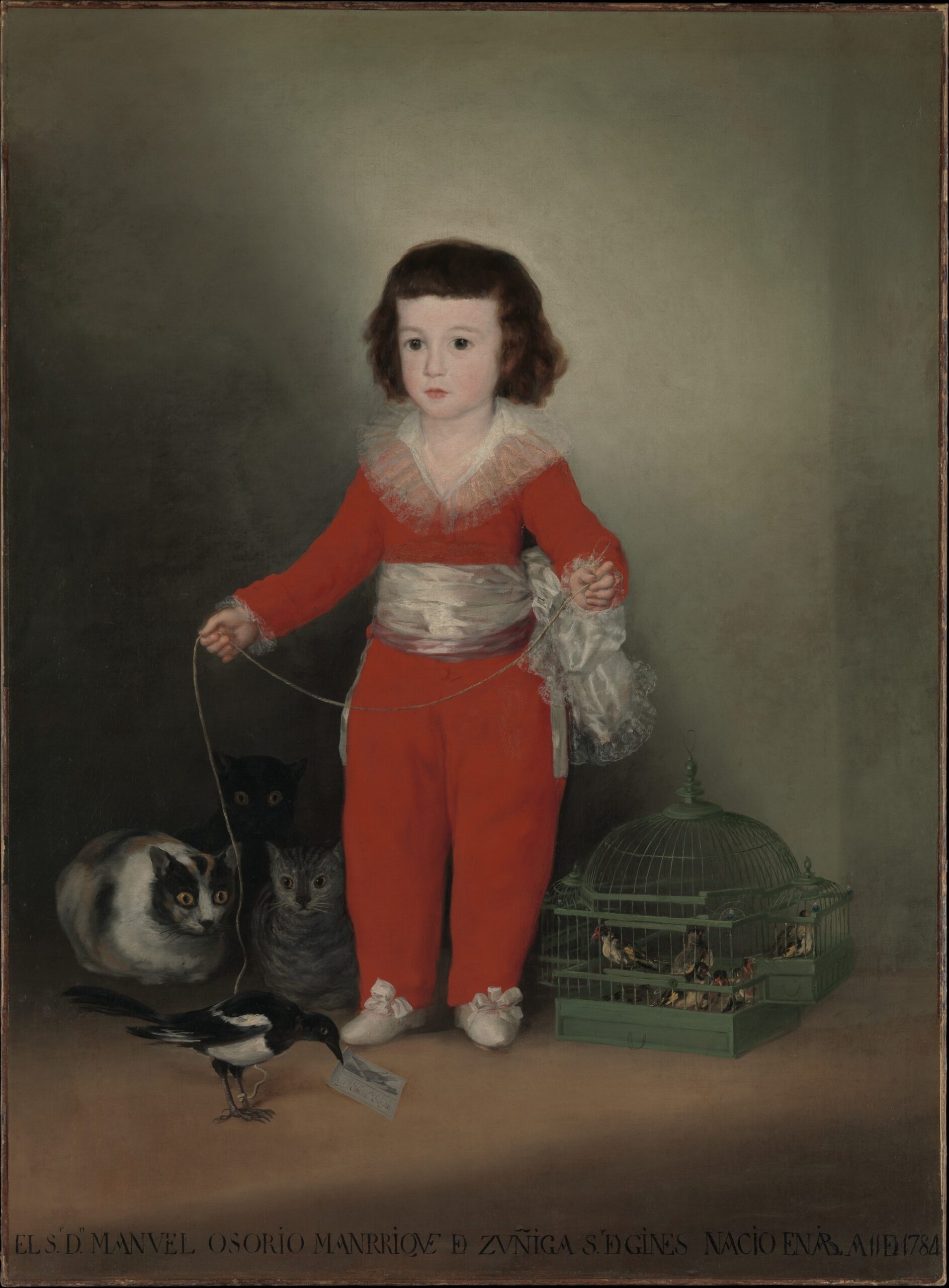
Technique Tuesday: Goya’s Velvety Darkness – Glazing in Manuel Osorio Manrique de Zuniga
How Goya’s transparent glazes make a small boy in scarlet and his menagerie glow out of velvety darkness in Manuel Osorio Manrique de Zuniga (1787–88).
-
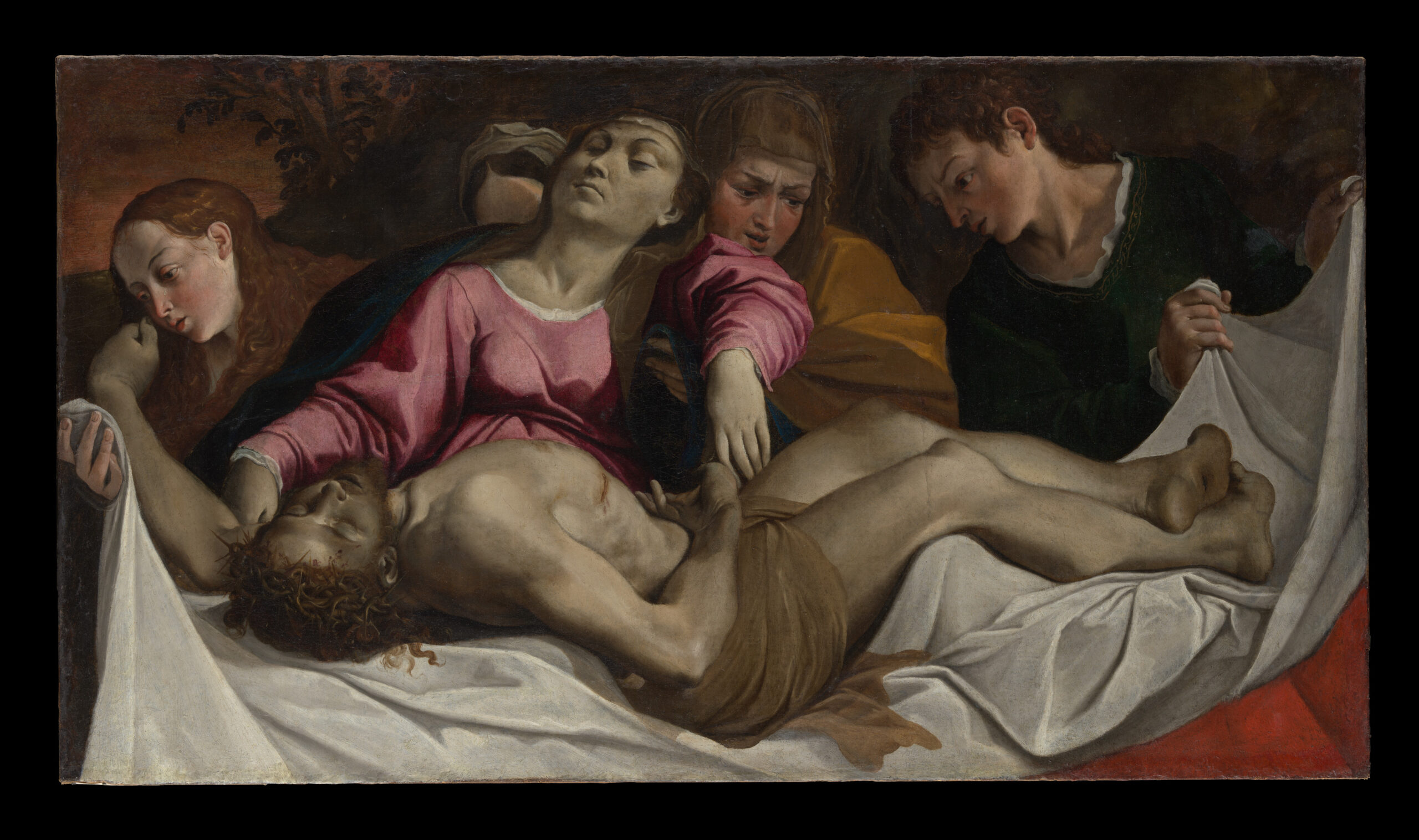
Technique Tuesday: Foreshortening – When Perspective Lays a Body on the Picture Plane
Ludovico Carracci, The Lamentation, ca. 1582. The Metropolitan Museum of Art, New York (Accession 2000.68). Public Domain image via The Met. Technique Tuesday: Foreshortening – When Perspective Lays a Body on the Picture Plane Foreshortening is what happens when an artist looks straight at a form that recedes in space – and decides to paint…
-
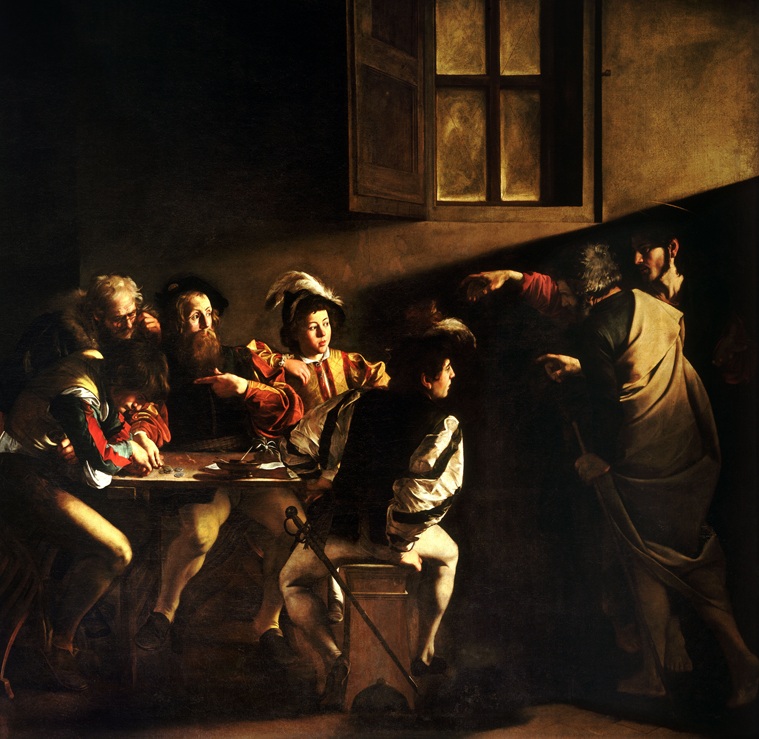
Technique Tuesday: Chiaroscuro – Painting with Darkness
What is chiaroscuro, really? In this Technique Tuesday mini-lesson, we look at Caravaggio’s “The Calling of Saint Matthew” to see how dramatic light and shadow sculpt forms, guide your eye, and turn theology into pure visual theatre.
-

Technique Tuesday: Van Gogh’s Impasto in Wheat Field with Cypresses (1889)
Van Gogh’s impasto turns light into choreography—ridges glitter, color stacks, and the sky curls like butter in Wheat Field with Cypresses (1889).