
Schlagwort: composition
-
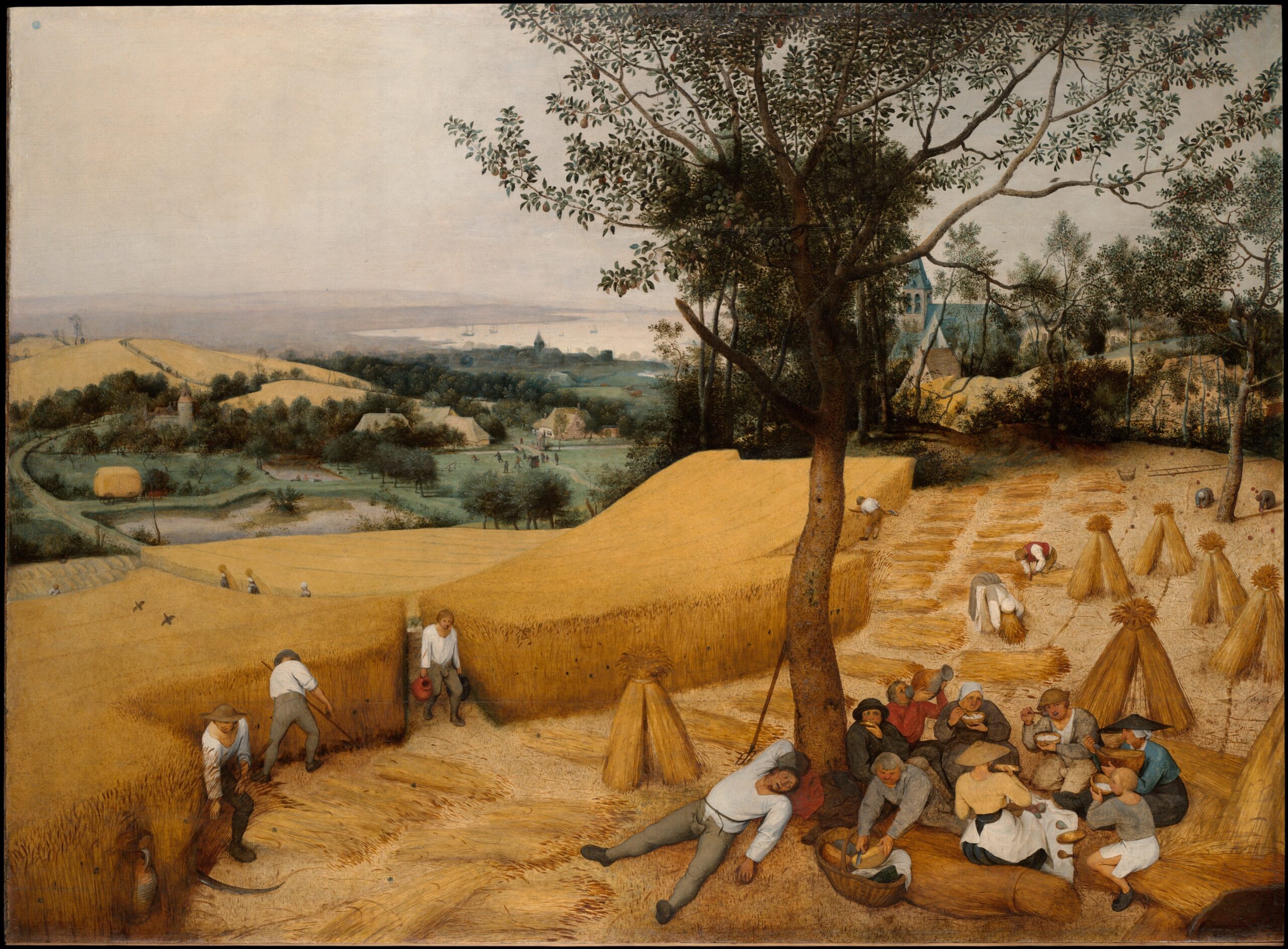
Technique Tuesday: Bruegel’s Underdrawing – Planning The Harvesters
How Bruegel’s hidden underdrawing quietly choreographs every tree, path, and peasant in The Harvesters (1565) – and how infrared reflectography lets us read that first draft beneath the golden paint.
-
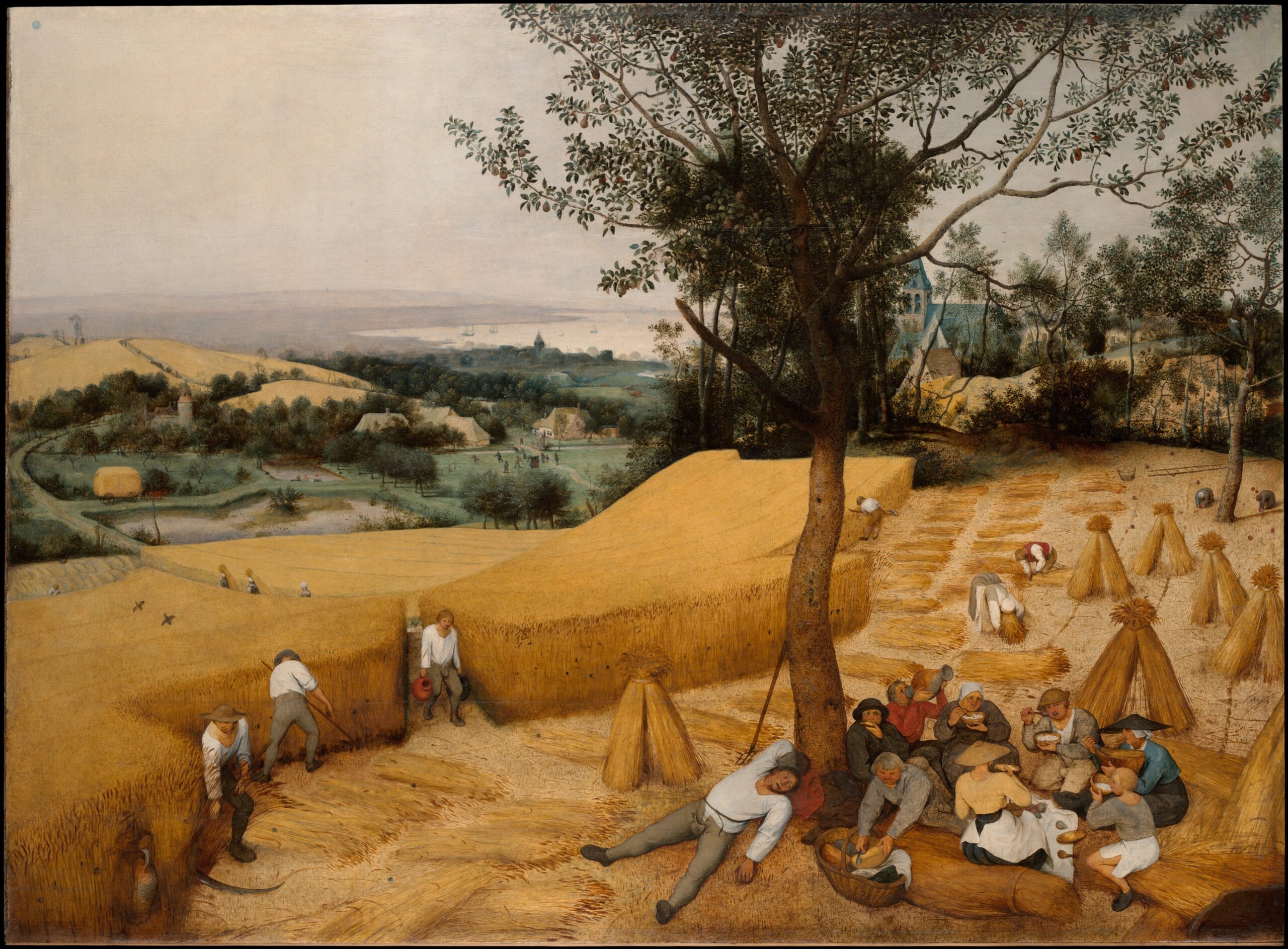
Technique Tuesday: Underdrawing Revealed – Reading Paintings with Infrared Eyes
How underdrawing and infrared reflectography reveal the ghostly first ideas beneath a painting’s surface—turning works like Bruegel’s The Harvesters into double images of thought and final decision.
-
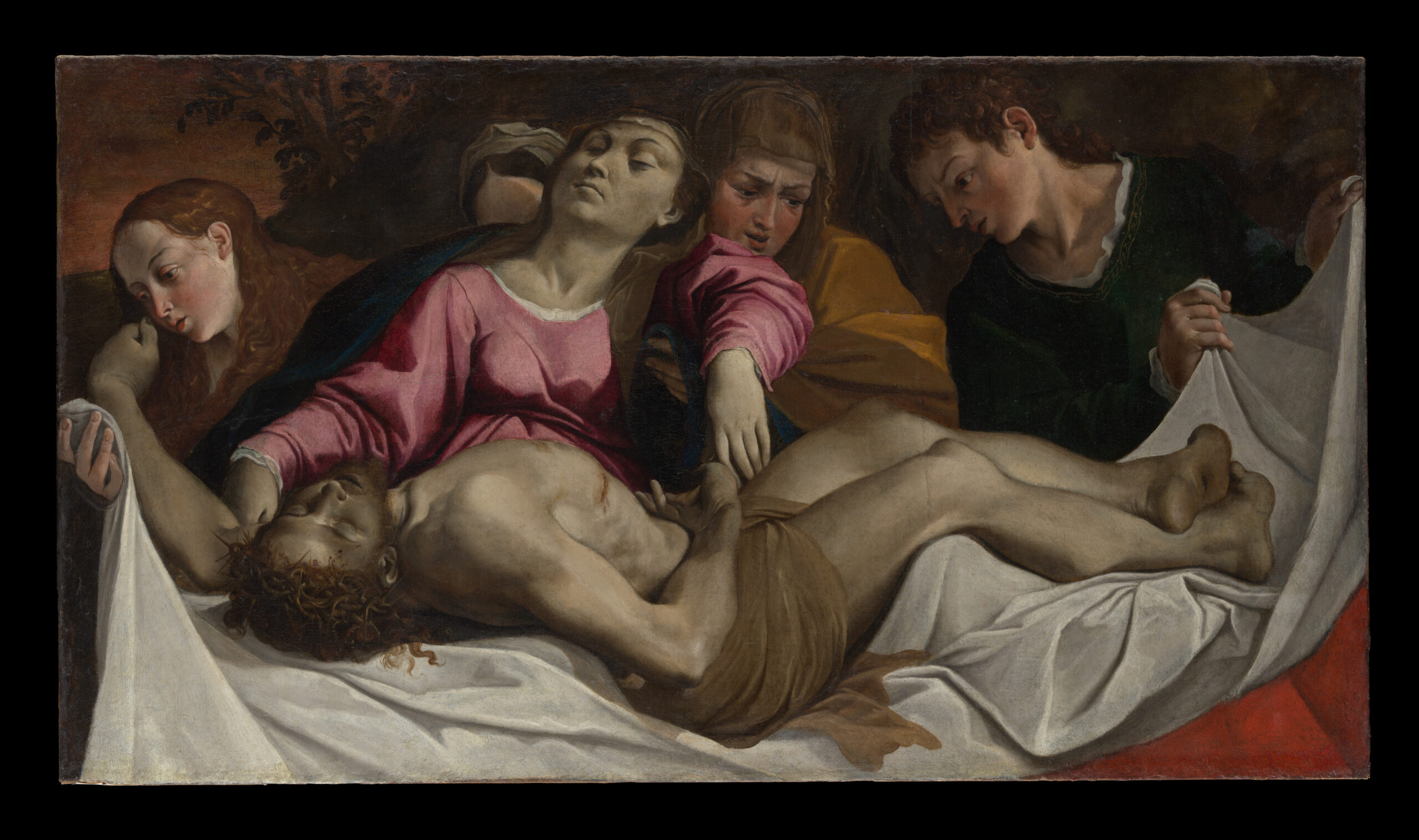
Technique Tuesday: Foreshortening Revisited – Carracci’s Body on the Stone Slab
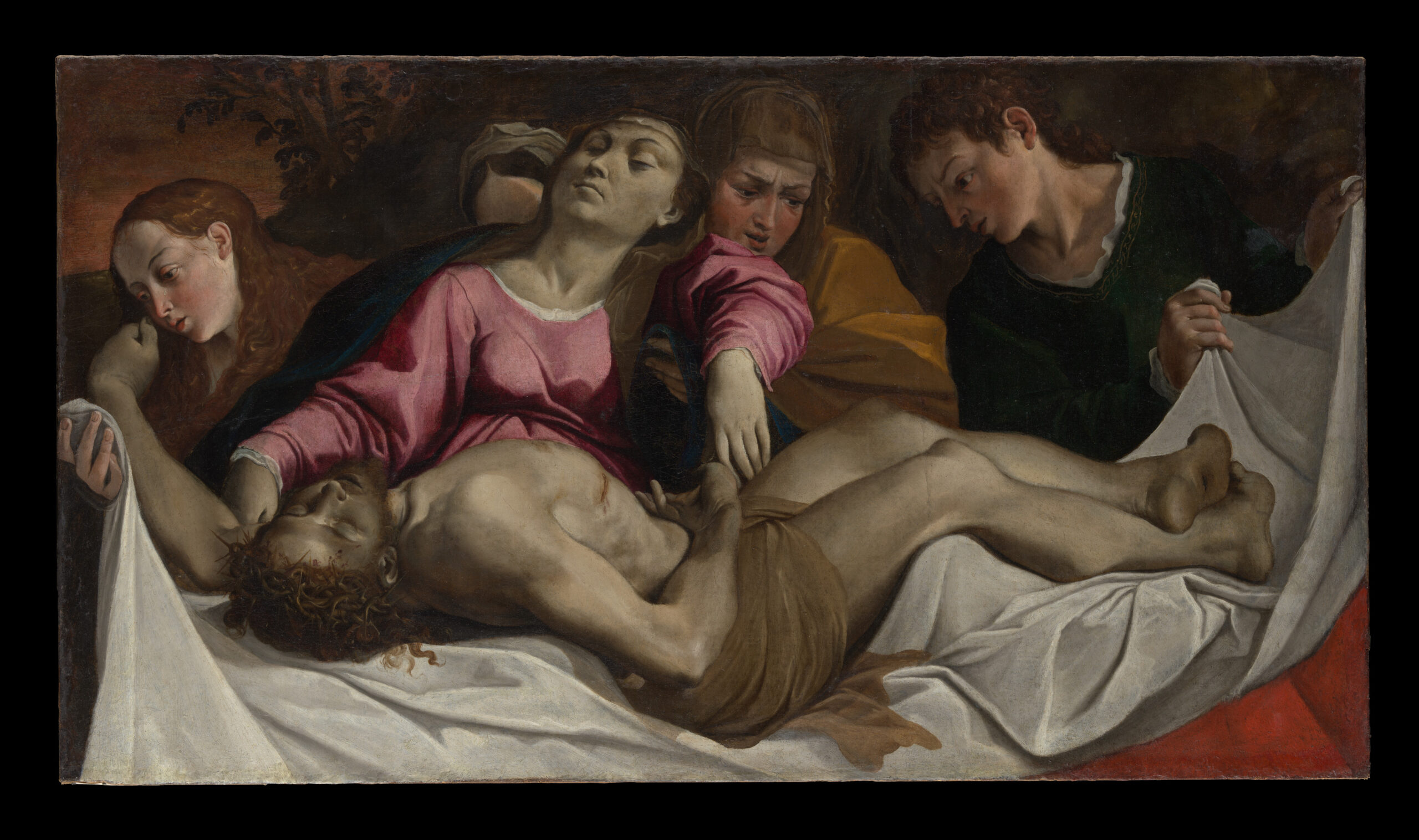
For this week’s Technique Tuesday, we return to the quiet dare behind one of painting’s boldest spatial tricks: foreshortening. And we let it play out on a single, unforgettable body: Christ lying on the stone slab in The Lamentation (ca. 1582) by Ludovico Carracci, today in The Metropolitan Museum of Art. What foreshortening really does…
-
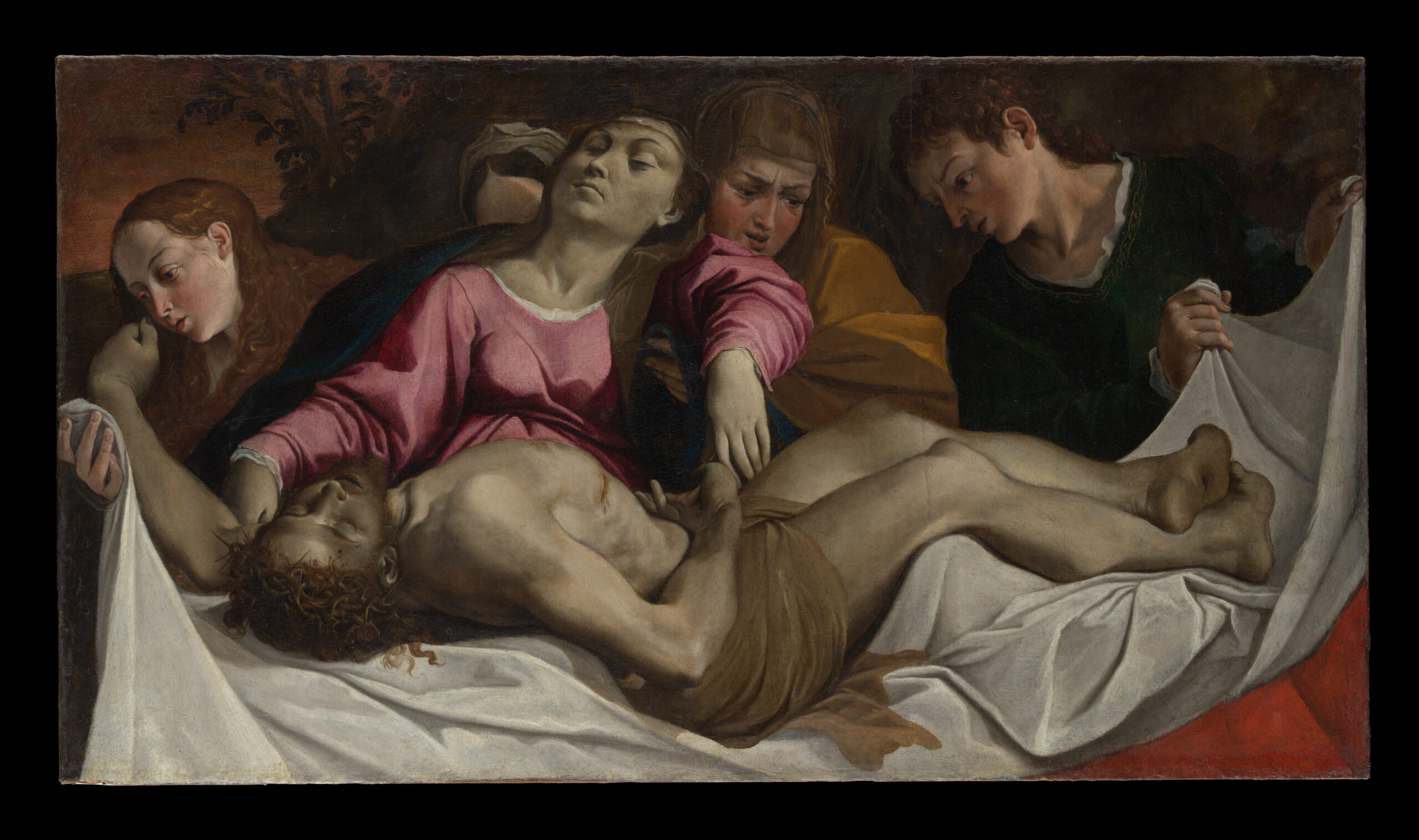
Looking Closer: The Foreshortened Body in Ludovico Carracci’s Lamentation
For this Friday’s Looking Closer, we stay with the same painting I used to explain foreshortening in Technique Tuesday—but this time, we surrender to a single, vertiginous detail: the foreshortened body of Christ in Ludovico Carracci’s The Lamentation (ca. 1582, The Metropolitan Museum of Art). Forget the entire scene for a moment. Let your eye…
-
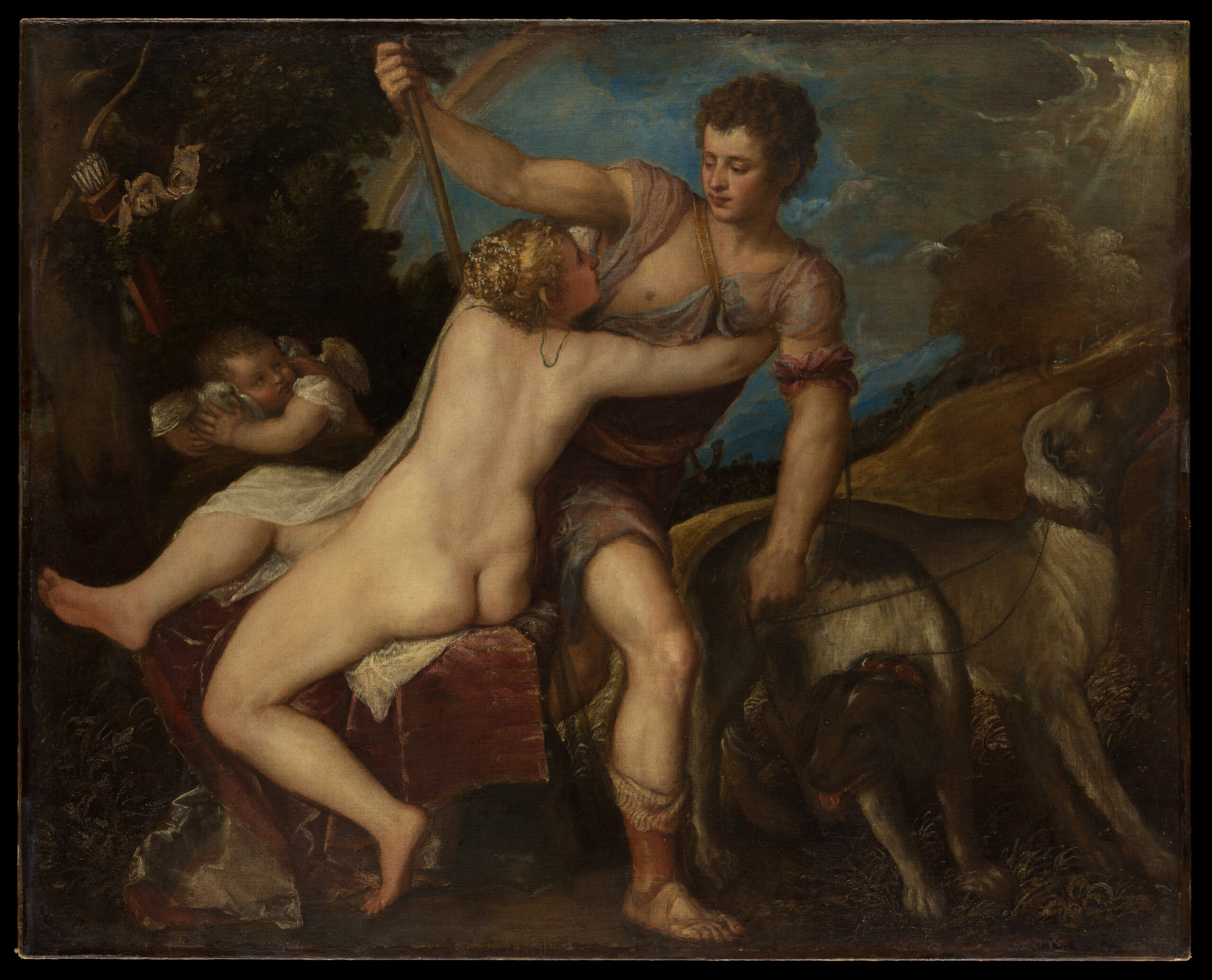
Technique Tuesday: Titian’s Golden Veil – Glazing Flesh in “Venus and Adonis”
How Titian’s layered oil glazes turn Venus’s skin in Venus and Adonis (1550s, The Met) into a luminous, living surface—more like light in flesh than paint on canvas.
-
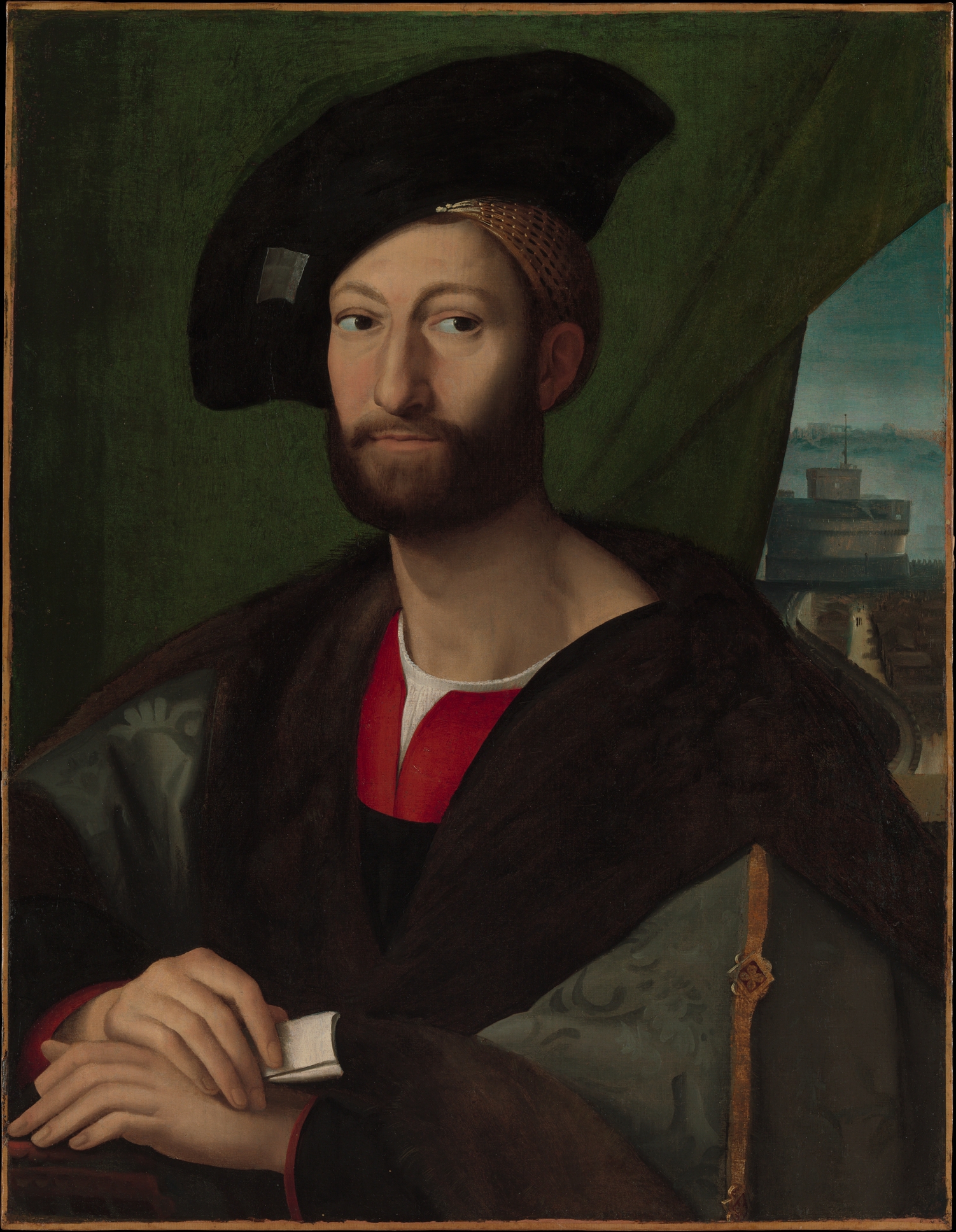
Technique Tuesday: Raphael’s Invisible Architecture – Perspective in The School of Athens
How Raphael’s School of Athens uses one-point linear perspective as an invisible architecture – turning a crowded gathering of philosophers into a lucid, walk‑in world of stone, light, and converging lines.
-
Francisco de Goya’s Black Paintings: When the Walls Start Listening
Goya’s Black Paintings were never meant for a museum—they were nightmares painted on the walls of his own house. This deep dive explores how an ageing, deaf court painter turned his villa into a theatre of war, witchcraft, disillusion, and radical honesty.
-
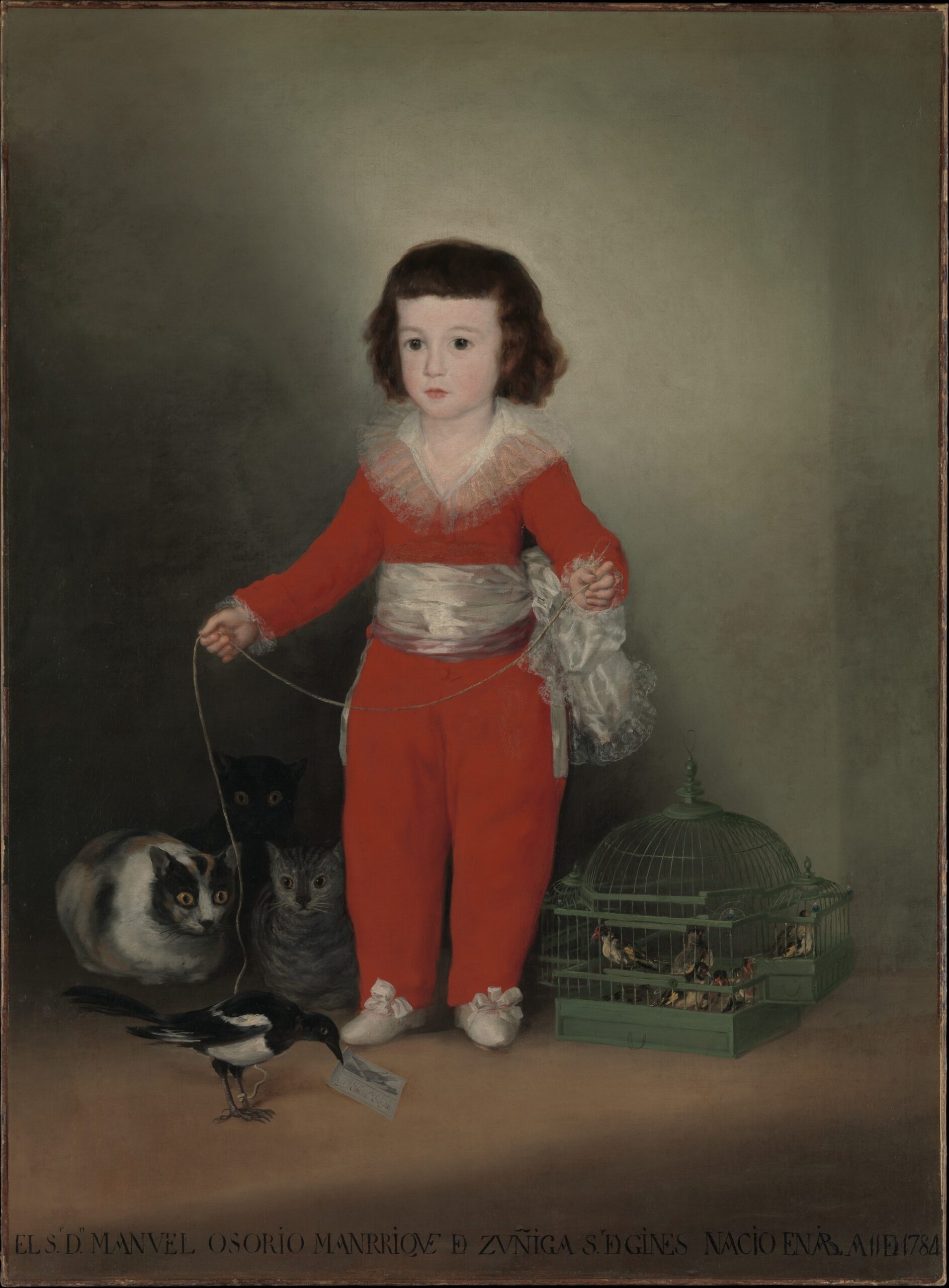
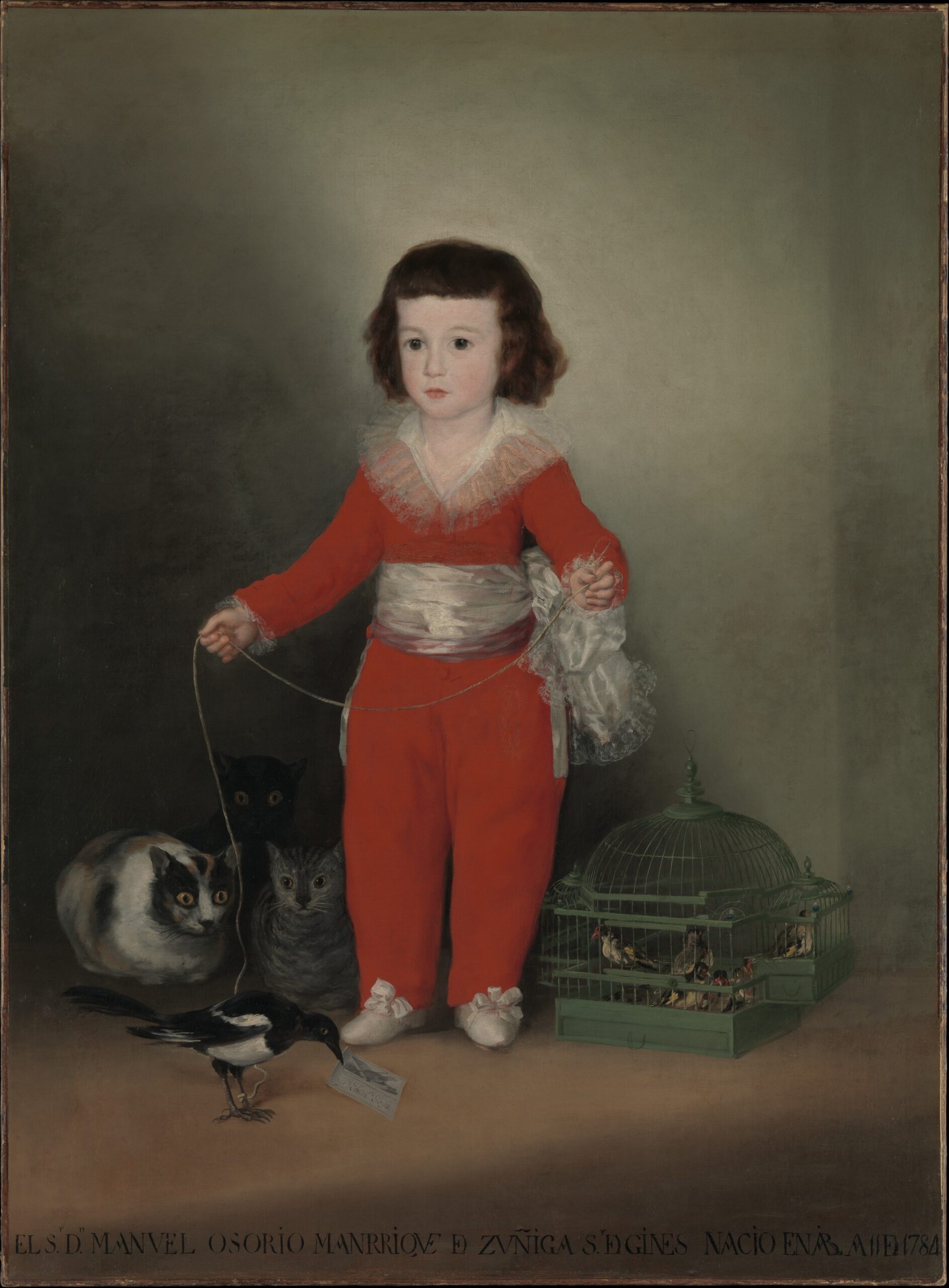
Technique Tuesday: Goya’s Velvety Darkness – Glazing in Manuel Osorio Manrique de Zuniga
How Goya’s transparent glazes make a small boy in scarlet and his menagerie glow out of velvety darkness in Manuel Osorio Manrique de Zuniga (1787–88).
-
Technique Tuesday: Foreshortening – When Perspective Lays a Body on the Picture Plane
Ludovico Carracci, The Lamentation, ca. 1582. The Metropolitan Museum of Art, New York (Accession 2000.68). Public Domain image via The Met. Technique Tuesday: Foreshortening – When Perspective Lays a Body on the Picture Plane Foreshortening is what happens when an artist looks straight at a form that recedes in space – and decides to paint…
-
Technique Tuesday: Chiaroscuro – Painting with Darkness
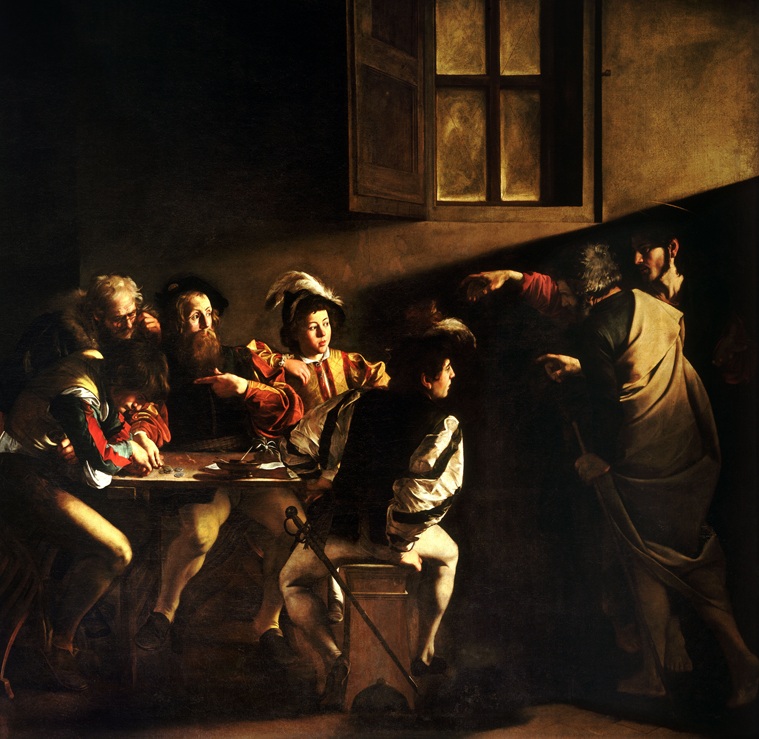
What is chiaroscuro, really? In this Technique Tuesday mini-lesson, we look at Caravaggio’s “The Calling of Saint Matthew” to see how dramatic light and shadow sculpt forms, guide your eye, and turn theology into pure visual theatre.