Kategorie: Looking Closer
Our Friday mini-series: one zoomed detail, 250–400 words, revealing what the painting hides in plain sight.
-
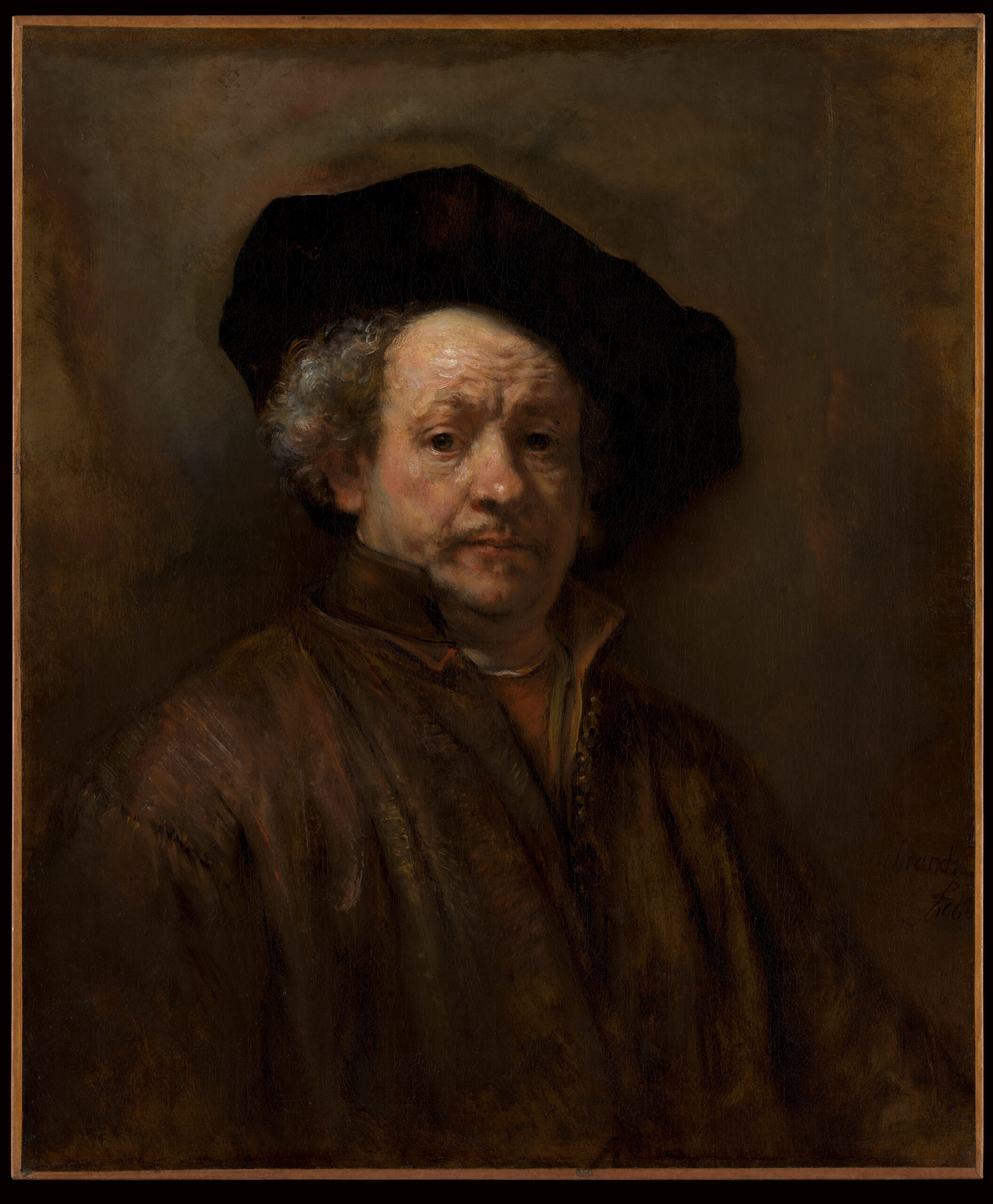
Looking Closer: The Wet Eye in Rembrandt’s Late Self‑Portrait
For this Friday’s Looking Closer, we stand almost nose‑to‑nose with Rembrandt. Not the whole self‑portrait, not the famous hat or coat – just one tiny territory: the left eye and the crumbly paint around it in his late self‑portrait now in the Uffizi’s family of cousins at The Met (1660). Zoom in on that eye.…
-
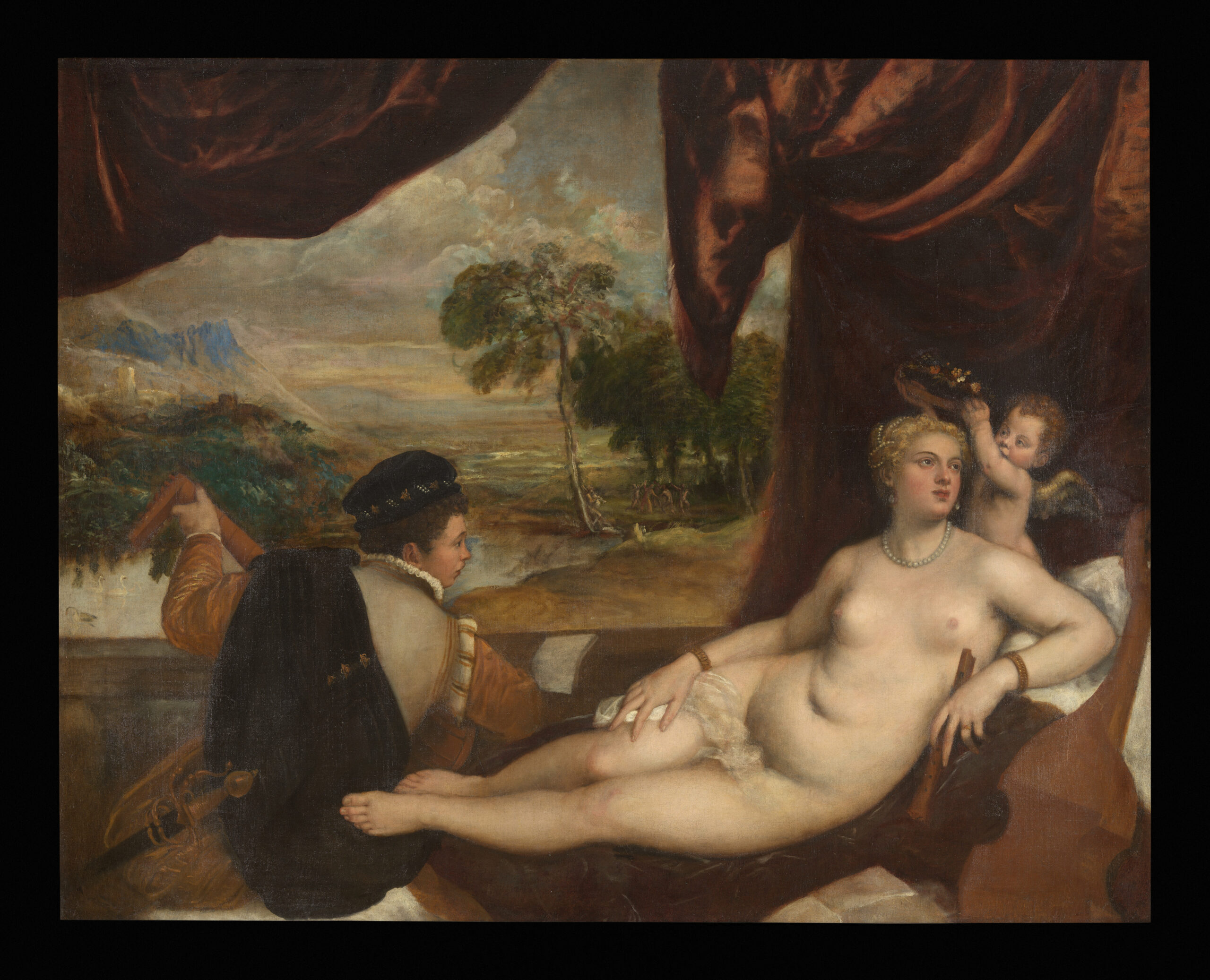
Looking Closer: Titian’s Veil of Flesh in “Venus and Adonis”
For this Friday’s Looking Closer, let’s not attempt to wrestle all of Titian at once. Instead we surrender to a single luminous fragment: the curve of Venus’s bare shoulder and back in his circle’s version of Venus and Adonis (1550s, The Metropolitan Museum of Art). Forget the hunting dogs and the myth for a moment.…
-
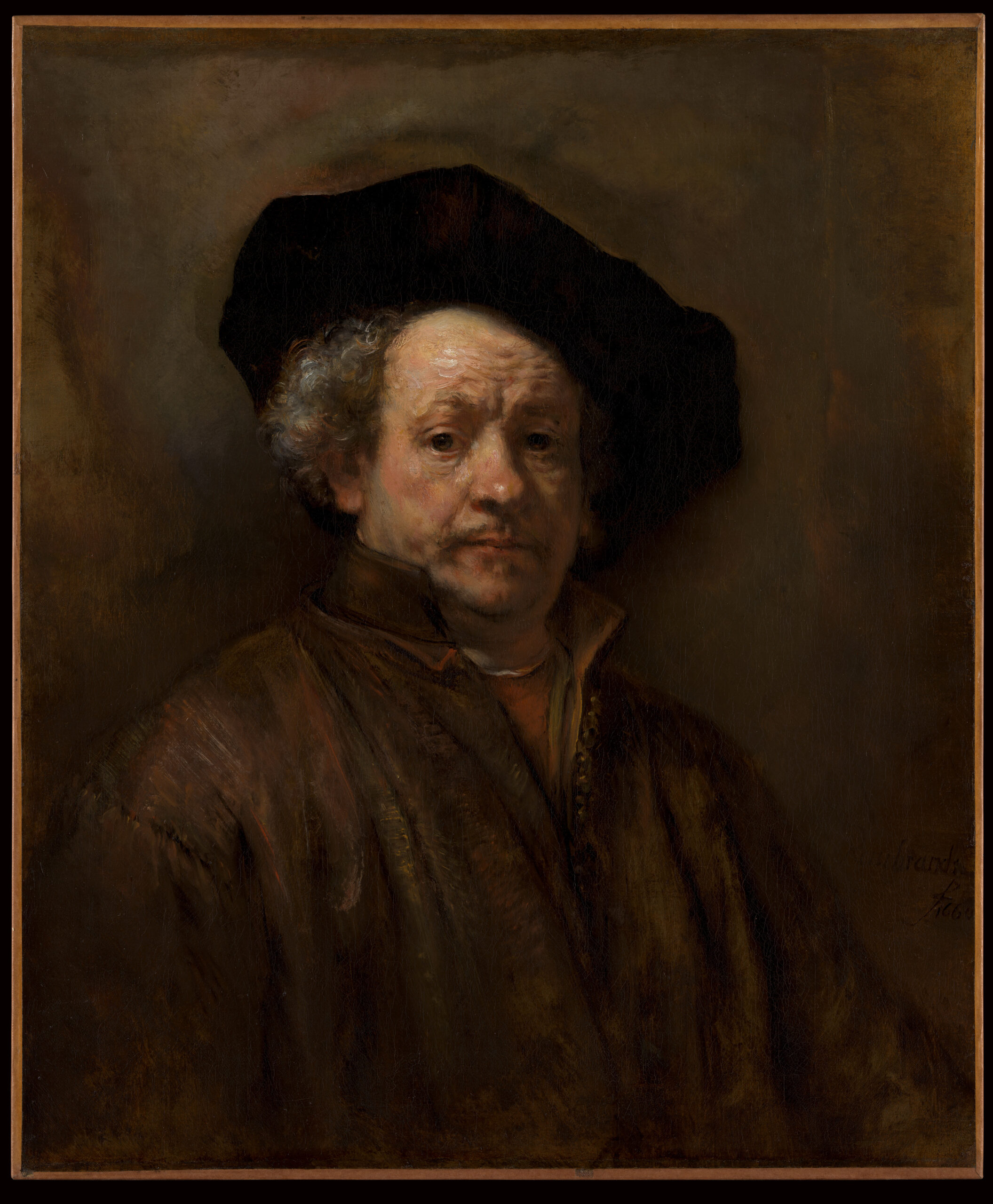
Looking Closer: The Wet Spark in Rembrandt’s Uffizi Self‑Portrait
A tiny fleck of paint in Rembrandt’s late Uffizi self‑portrait becomes a wet spark of life—proof that, up close, his ageing eye is really a landscape of fearless impasto.
-

Looking Closer: Goya’s Saturn and the Hand That Won’t Let Go
A clenched, chalky hand in Goya’s Saturn Devouring His Son turns myth into raw obsession—a tiny patch of paint where pressure, fear, and madness all leave their fingerprints.
-
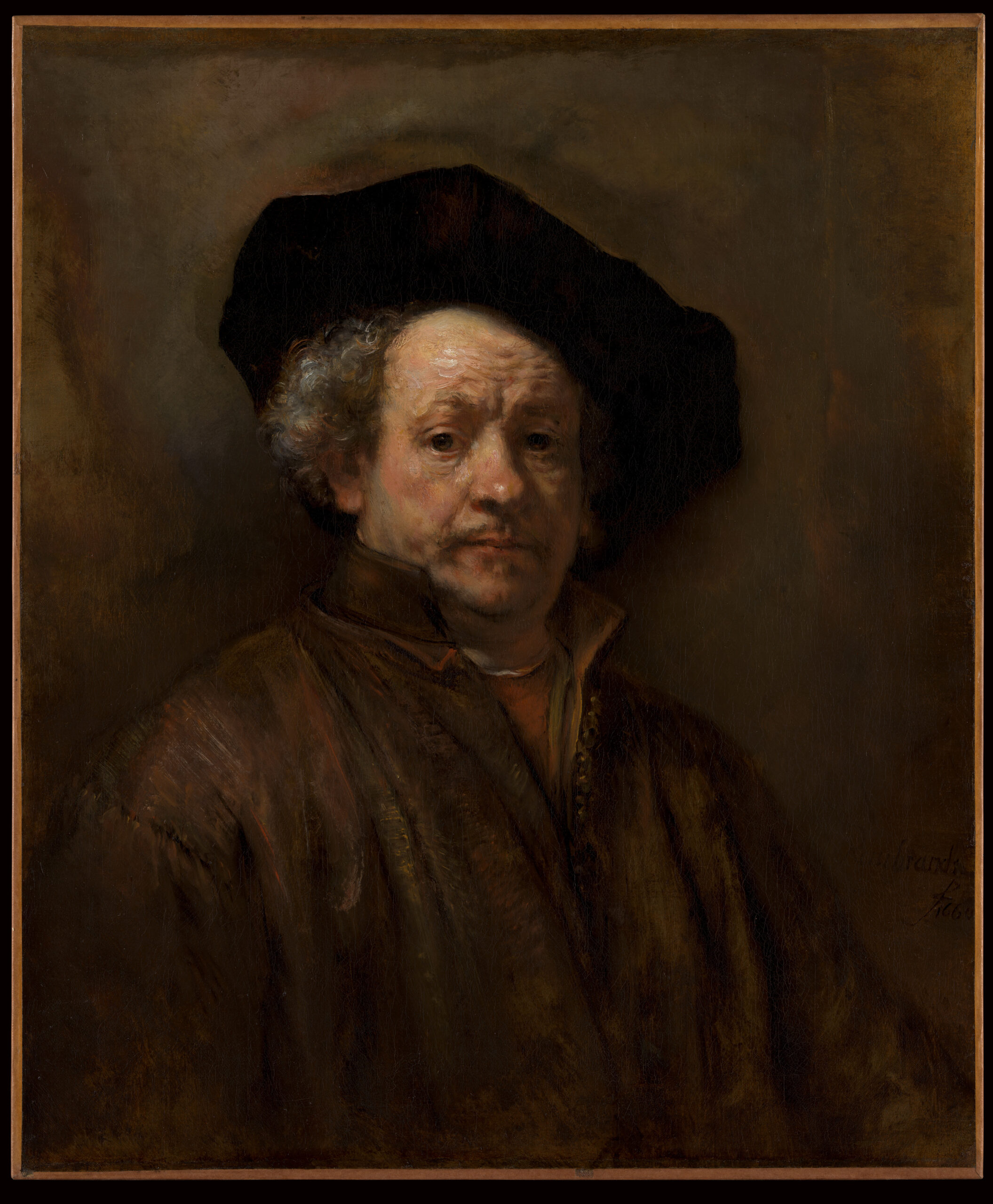
Looking Closer: The Wet Spark in Rembrandt’s Uffizi Self‑Portrait
A tiny fleck of paint in Rembrandt’s late Uffizi self‑portrait becomes a wet spark of life—proof that, up close, his ageing eye is really a landscape of fearless impasto.
-
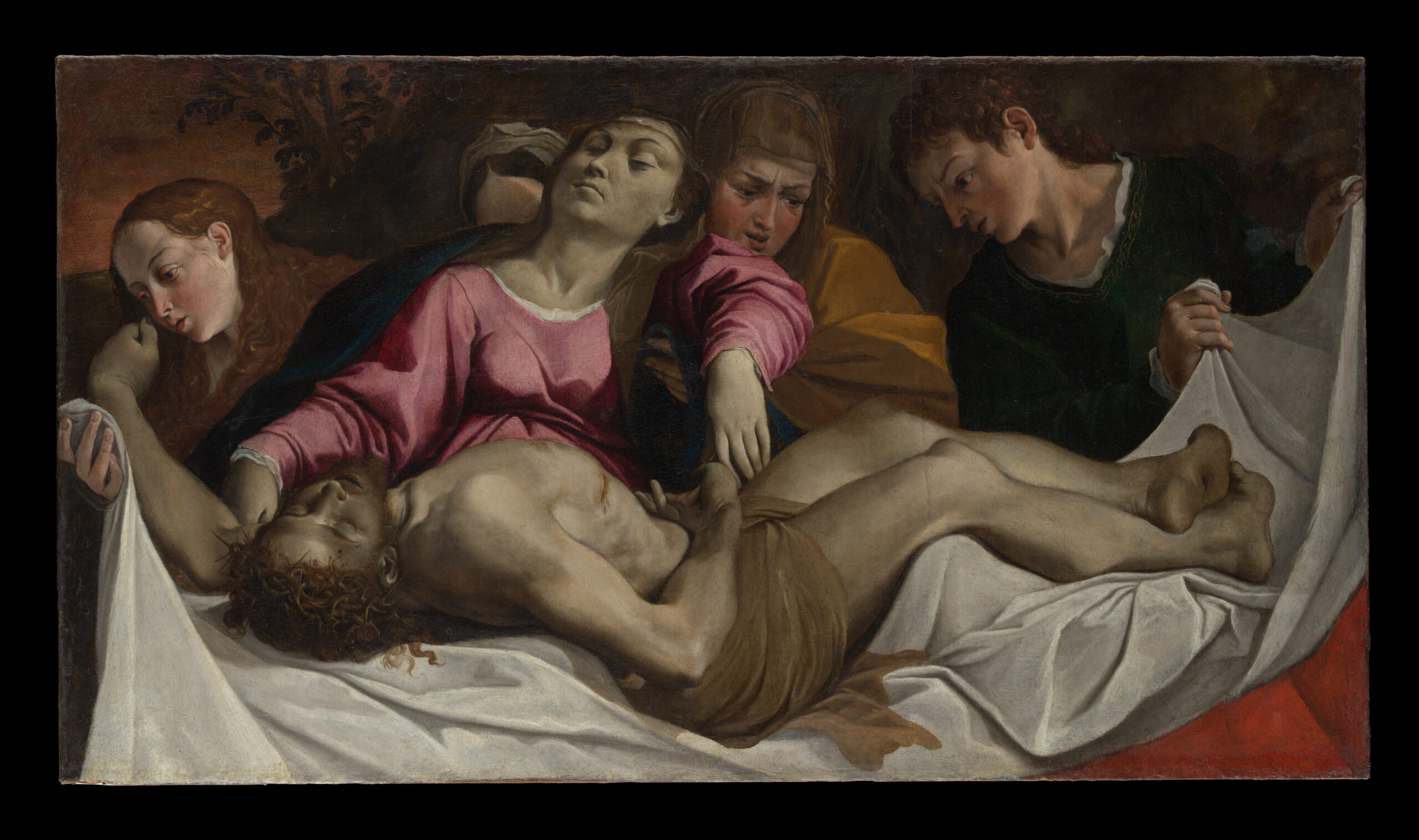
Looking Closer: The Foreshortened Body in Ludovico Carracci’s Lamentation
For this Friday’s Looking Closer, we stay with the same painting I used to explain foreshortening in Technique Tuesday—but this time, we surrender to a single, vertiginous detail: the foreshortened body of Christ in Ludovico Carracci’s The Lamentation (ca. 1582, The Metropolitan Museum of Art). Forget the entire scene for a moment. Let your eye…
-

Looking Closer: Goya’s Flickering Medals on Ferdinand VII’s Shoulder
For this Friday’s Looking Closer, let’s return to Francisco de Goya’s Ferdinand VII (When Prince of Asturias) at The Met—but ignore the famously blank royal face. Instead, slide your gaze down to the prince’s right shoulder, where the dark coat, blue sash, and glittering medals collide. Up close, that courtly finery stops being tidy. The…
-
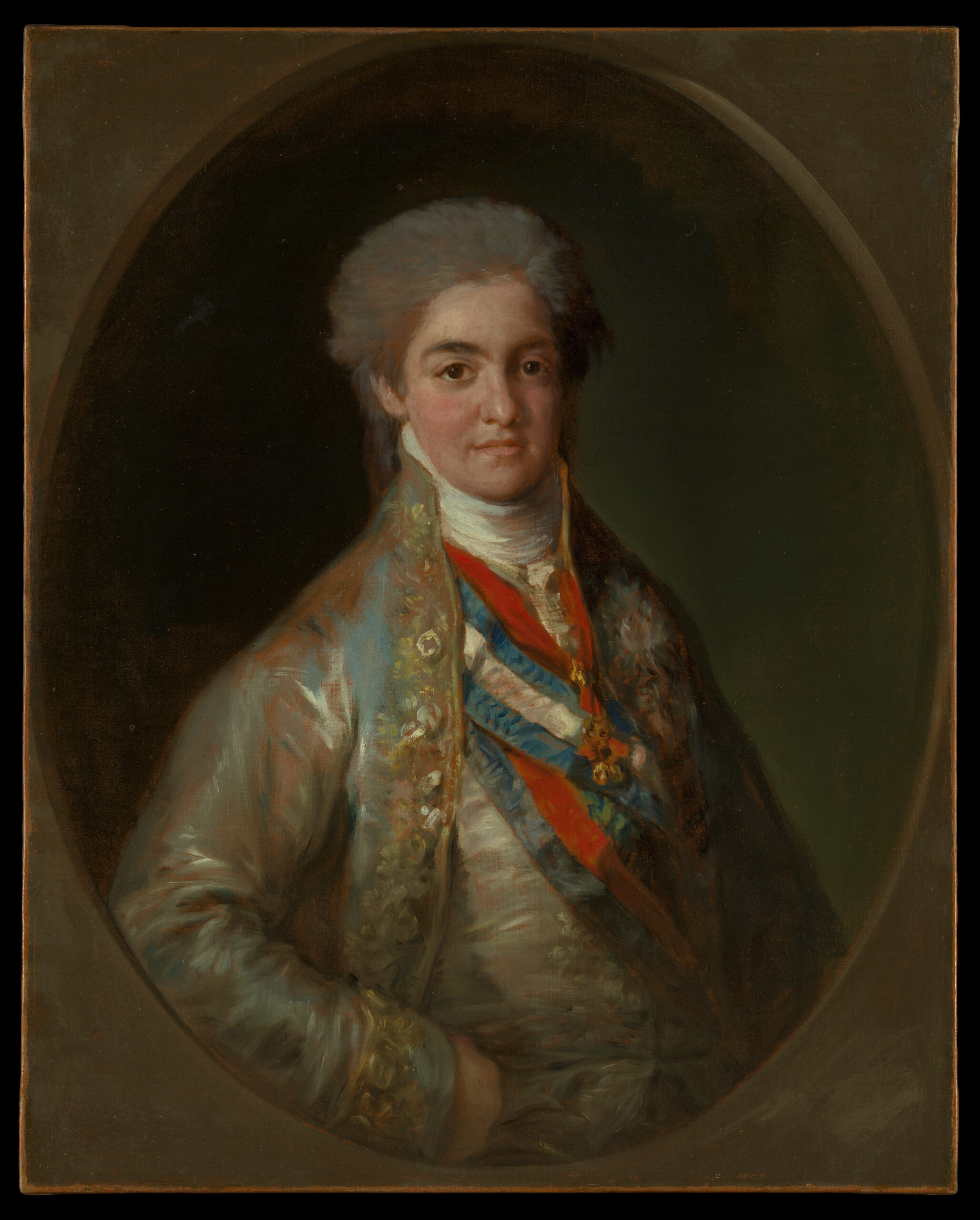
Looking Closer: Goya’s Velvet Shoulder in the Portrait of Ferdinand VII
For this Friday’s Looking Closer, we won’t begin with monsters or darkness, but with something deceptively polite: a velvet shoulder in Francisco de Goya’s Ferdinand VII (When Prince of Asturias), today in The Metropolitan Museum of Art. Ignore the royal face for a moment. Let your eye slide down to the prince’s right shoulder and…
-

Looking Closer: The Wet Spark in Rembrandt’s Uffizi Self‑Portrait
For today’s Looking Closer, let’s travel to Florence and stand in front of Rembrandt’s late Self‑Portrait in the Uffizi. Not the whole weathered face – just one tiny zone: the left eye and the crumbly ring of paint around it. From a distance, the eye is a dark, thoughtful almond. Up close, it’s a small…
-
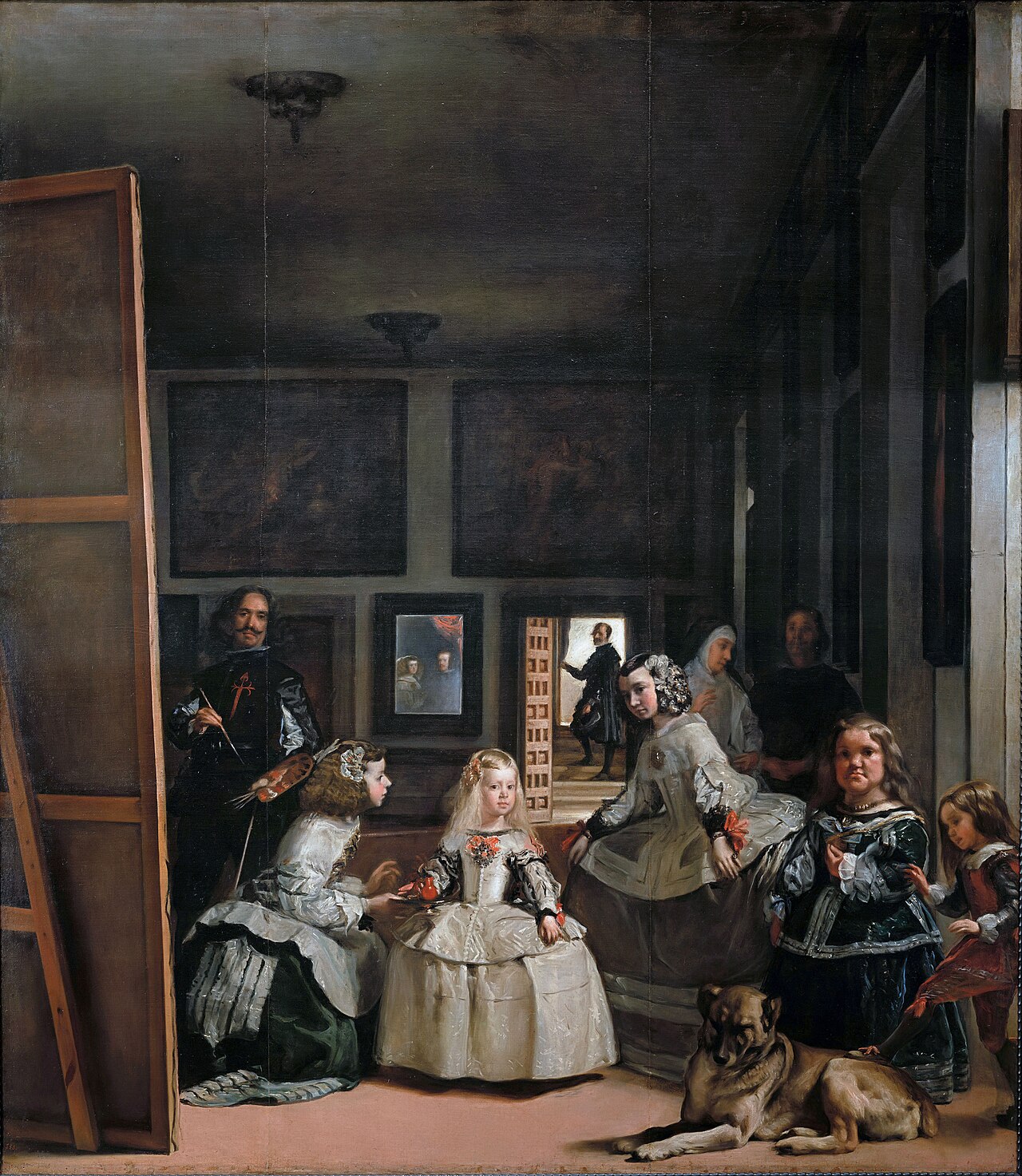
Looking Closer: The Sleeping Dog in Velázquez’s Las Meninas
In Velázquez’s Las Meninas, the sleeping dog at the bottom of the canvas holds the whole courtly drama in place. A tiny corner detail, a huge compositional anchor.