
Kategorie: Painter’s Anecdote
Weekly Sunday mini-series: short, witty historical stories from painters’ lives.
-
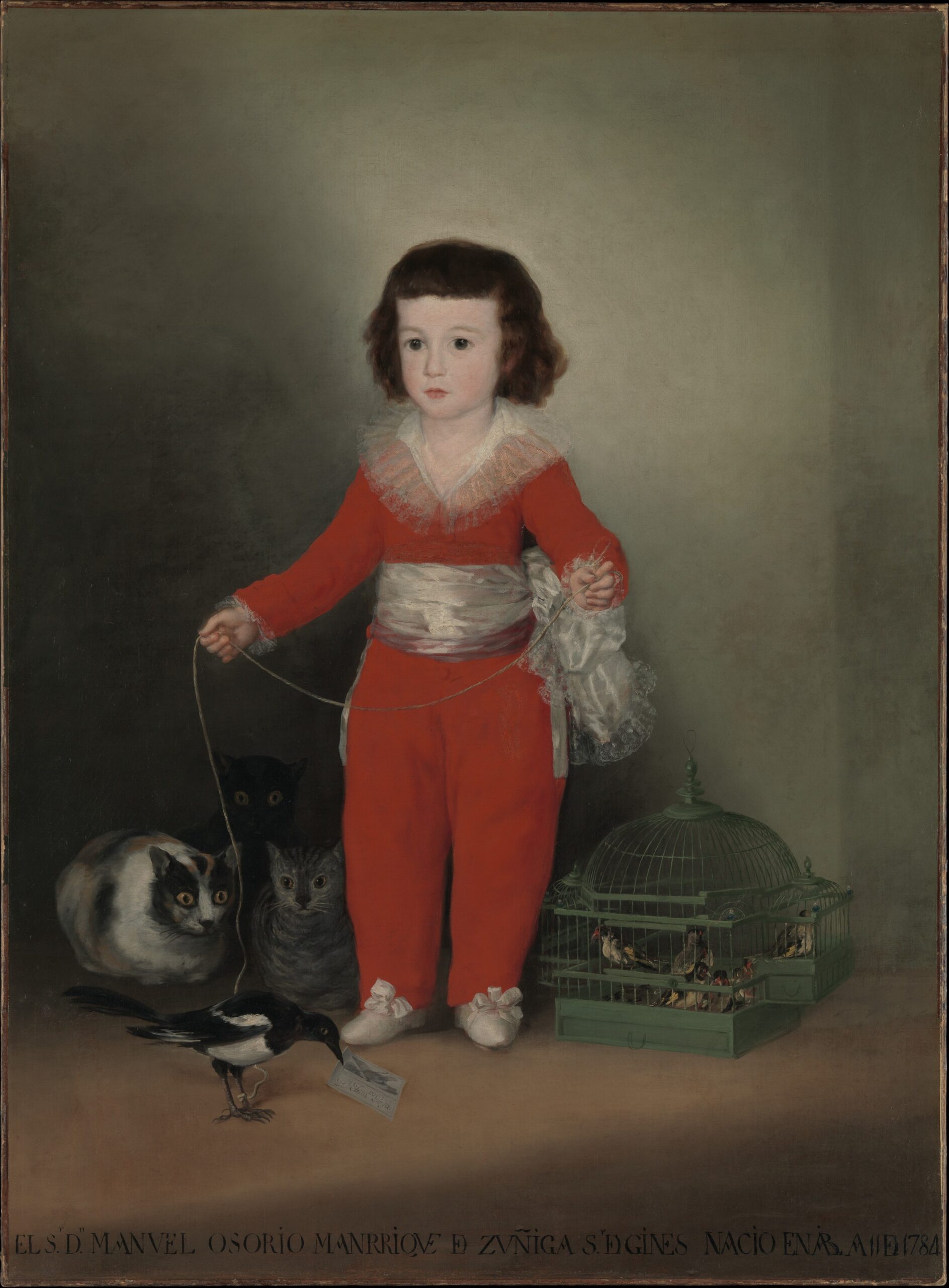
Painter’s Anecdote: Francisco de Goya, Saturn, and the Dinner Guests on the Wall
How an ageing Goya, deaf and withdrawn into his “Villa of the Deaf Man,” painted Saturn straight onto his own dining‑room wall – not for kings or museums, but as a private guest at the table, embodying a lifetime of rage and unease.
-
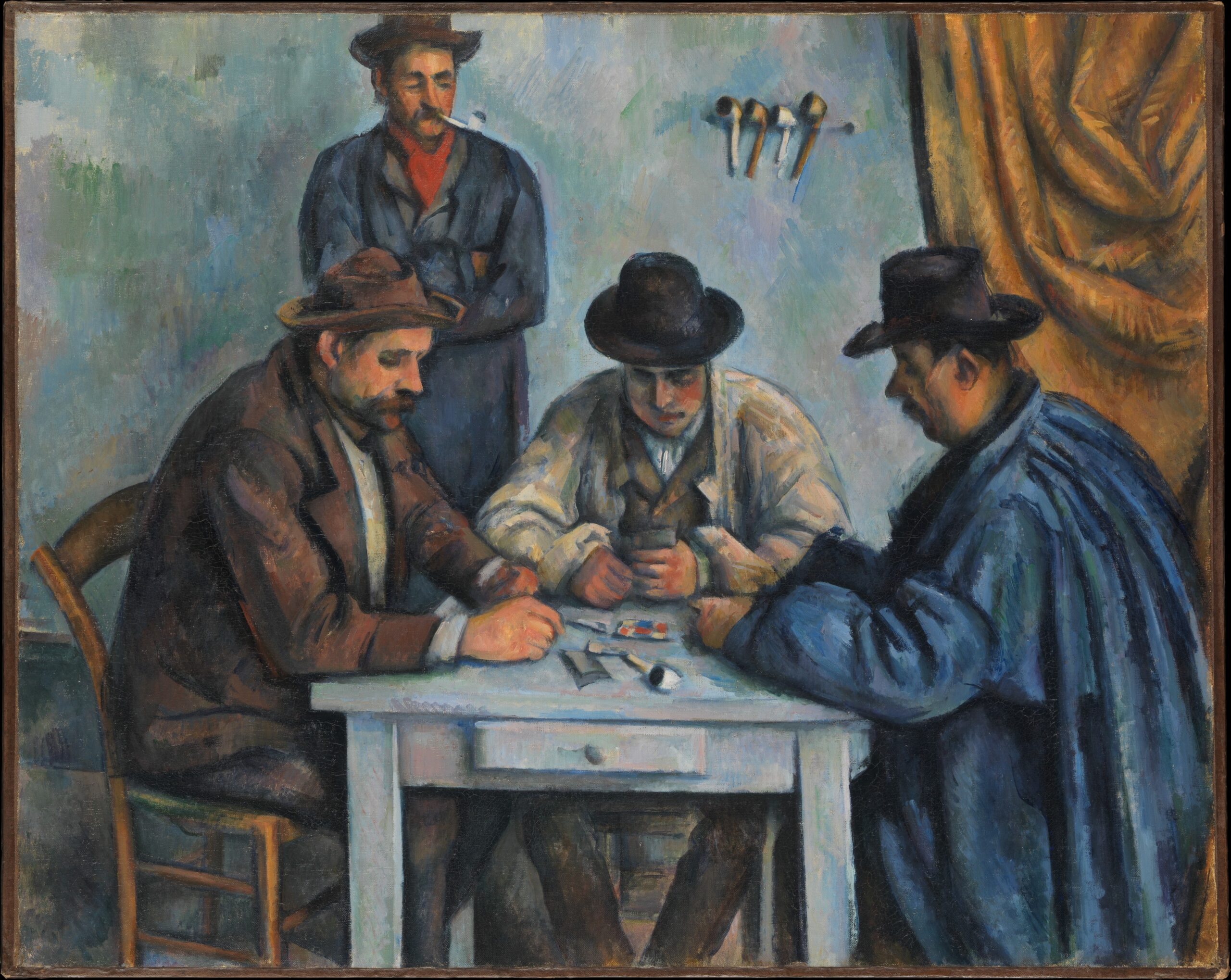
Painter’s Anecdote: Cézanne, The Card Players, and the Studio Where Nothing Moved
How two silent peasants in Cézanne’s studio, bent over a card game where nothing seems to happen, became some of the quietest—and most revolutionary—figures in modern painting.
-
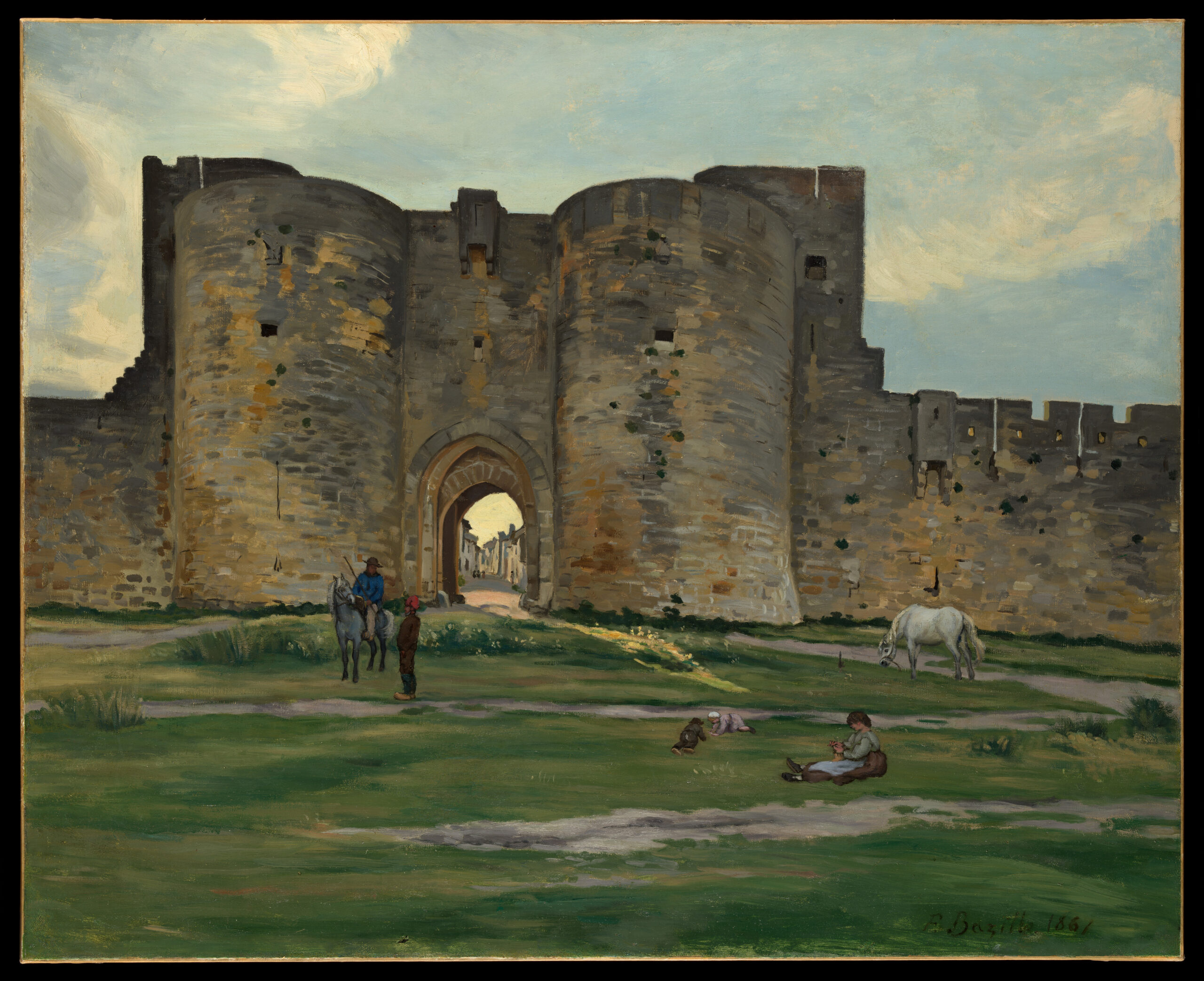
Painter’s Anecdote: Frédéric Bazille, A Shared Studio, and the Dream of the Batignolles
How Frédéric Bazille’s rented studio on the rue de la Condamine became a cramped, smoky cradle for the young Impressionists—and the dream of a new kind of Paris painting.
-
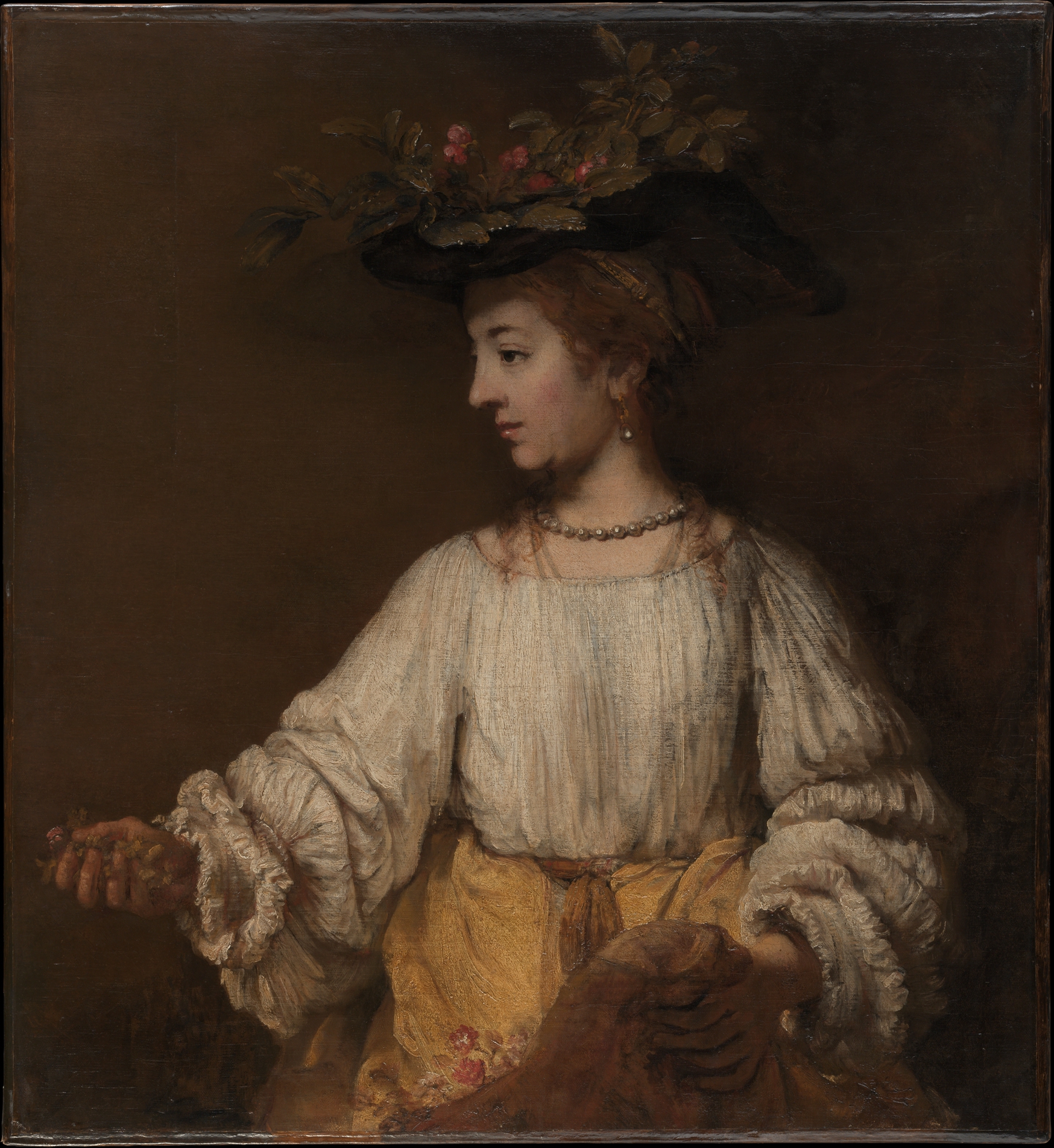
Painter’s Anecdote: Rembrandt, the Uffizi Self‑Portraits, and a Life in Two Faces
How two self‑portraits in Florence’s Uffizi Gallery – one from Rembrandt’s confident mid‑career, one from his bruised final year – quietly recount a whole life’s rise, fall, and stubborn honesty in paint.
-
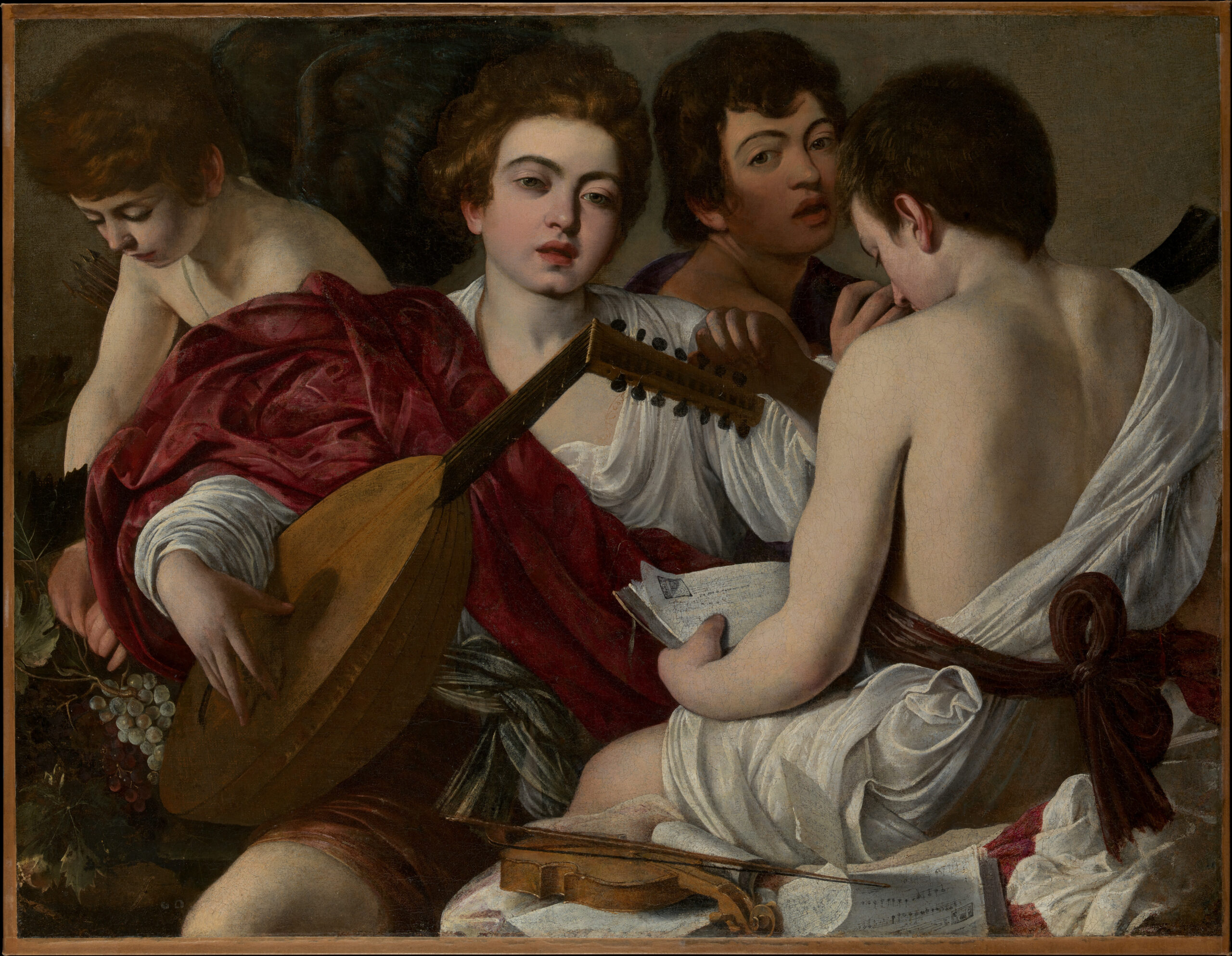
Painter’s Anecdote: Edvard Munch, The Scream, and the Evening Walk That Wouldn’t End
How an evening walk above Oslo, a blood‑red sky, and a feeling that nature itself was screaming led Edvard Munch to paint the most famous cry in modern art.
-
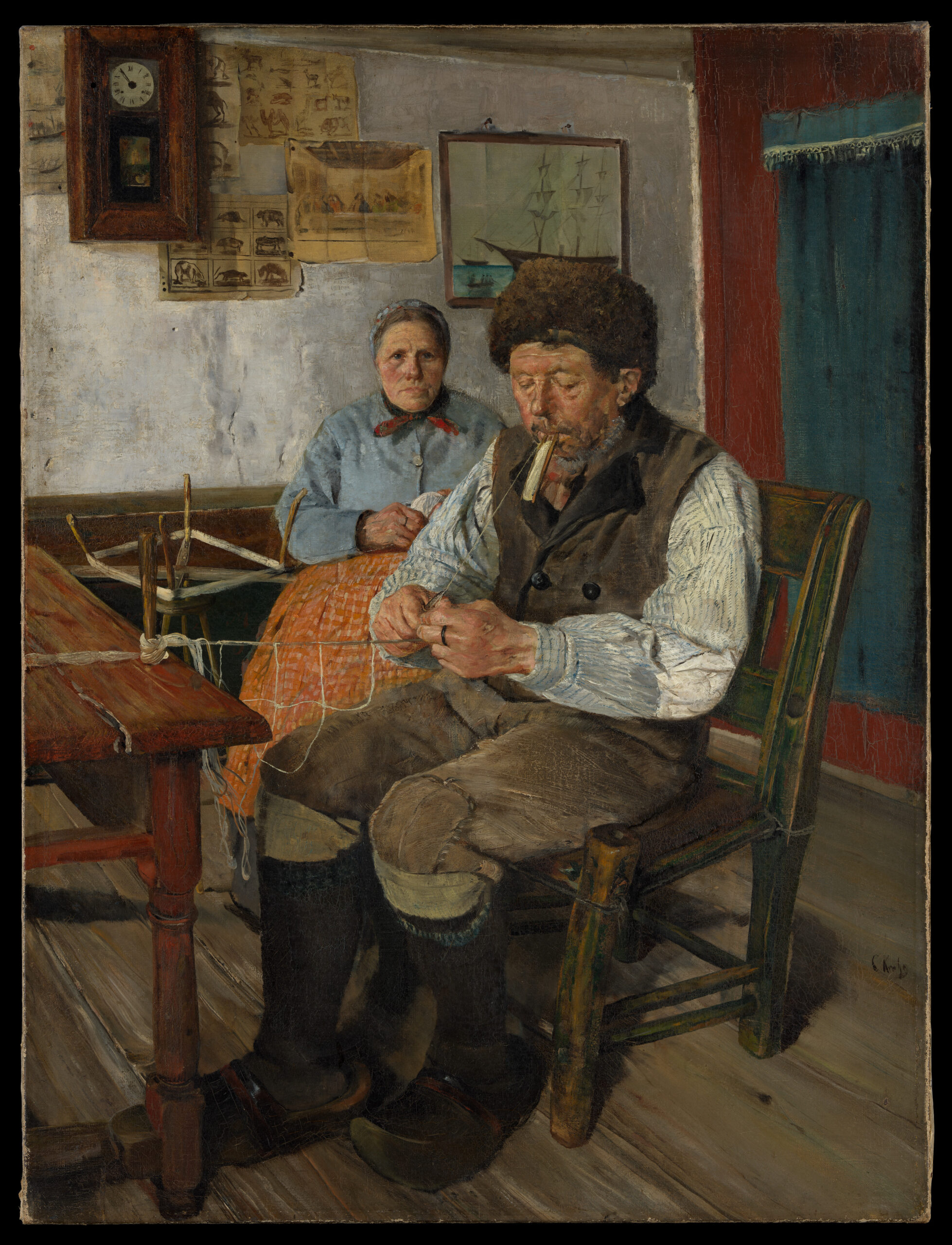
Painter’s Anecdote: Christian Krohg, The Net Mender, and the Quiet Revolt of Work
How a young Norwegian painter watched a woman quietly mending nets on an Oslofjord dock and turned her work-worn hands into a small, stubborn revolution in realism.
-
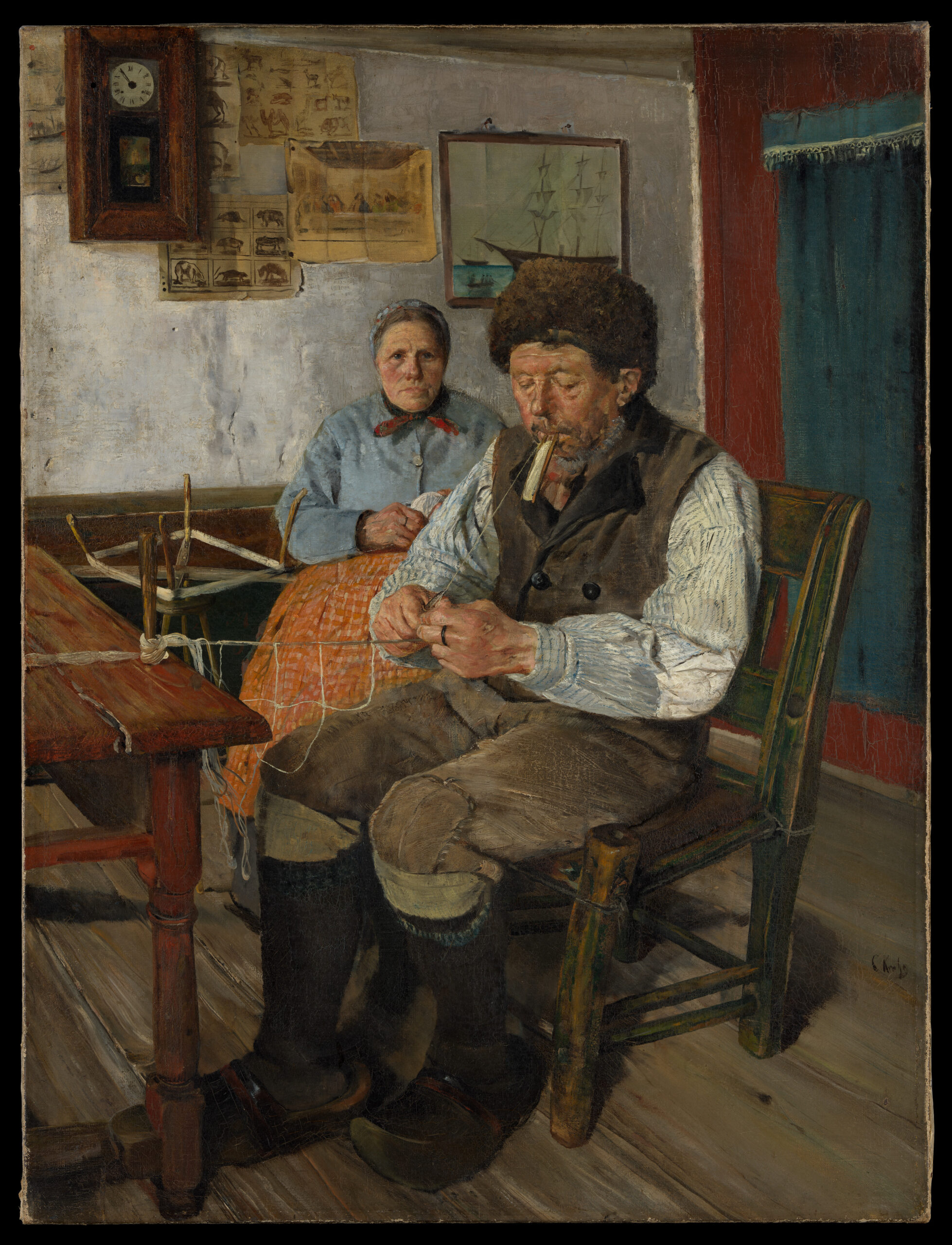
Painter’s Anecdote: Christian Krohg, The Net Mender, and the Quiet Revolt of Work
Oslofjord air has a particular chill to it—salt, tar, and the faint metallic scent of cold water. In 1879, a young Norwegian painter named Christian Krohg stands on a dock, watching a woman mend fishing nets. She is not posed, not aware of him as a “subject”. She is simply working, fingers moving with the…
-
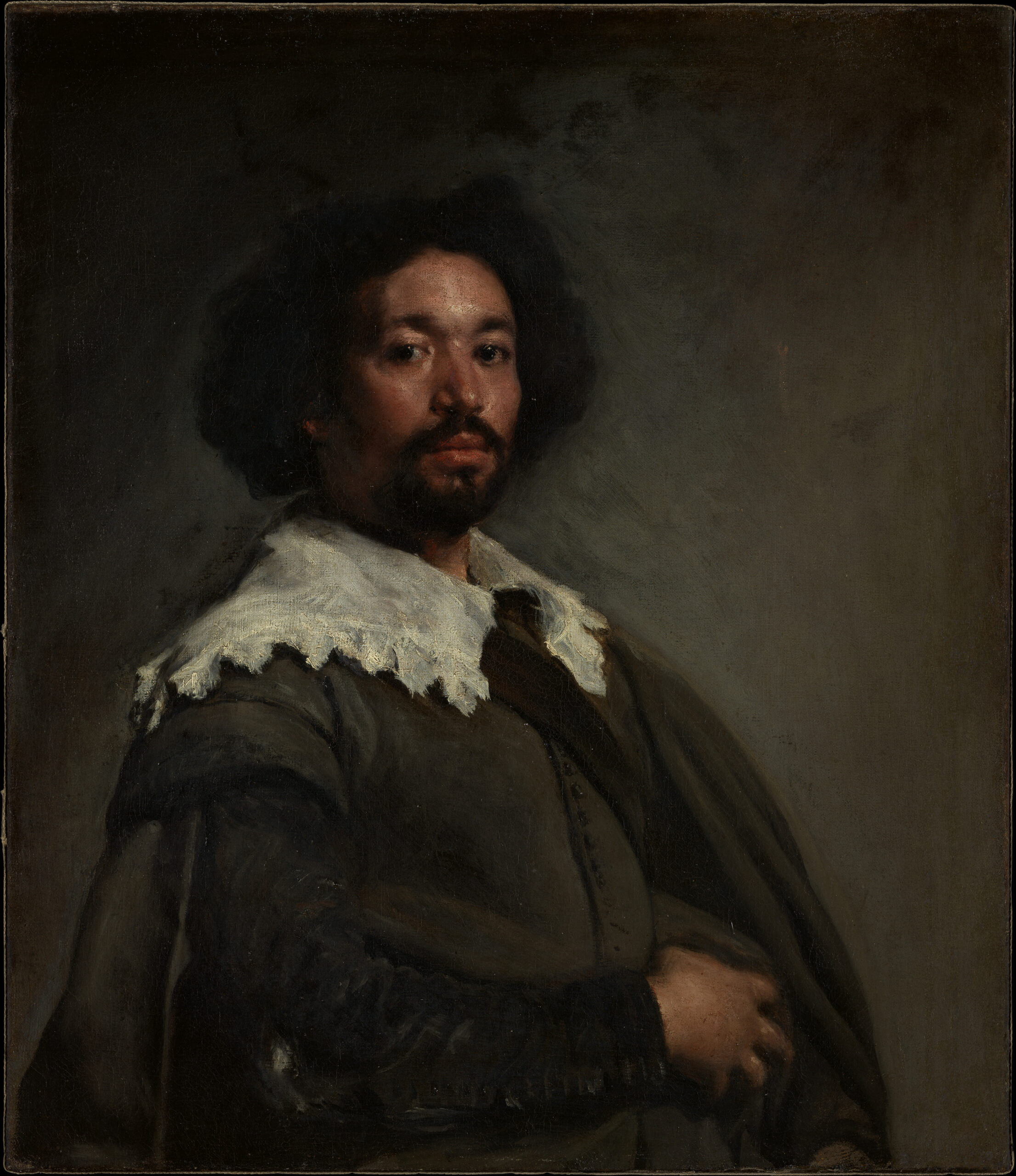
Painter’s Anecdote: Diego Velázquez, Juan de Pareja, and the Day the Studio Watched Back
Rome, 1650. In a borrowed studio lit by a high window, Diego Velázquez prepares to paint a portrait that might change his fortunes. As court painter to King Philip IV of Spain, he has been sent to Italy to buy art and burnish his reputation. A grand equestrian portrait of the pope would be suitable.…
-
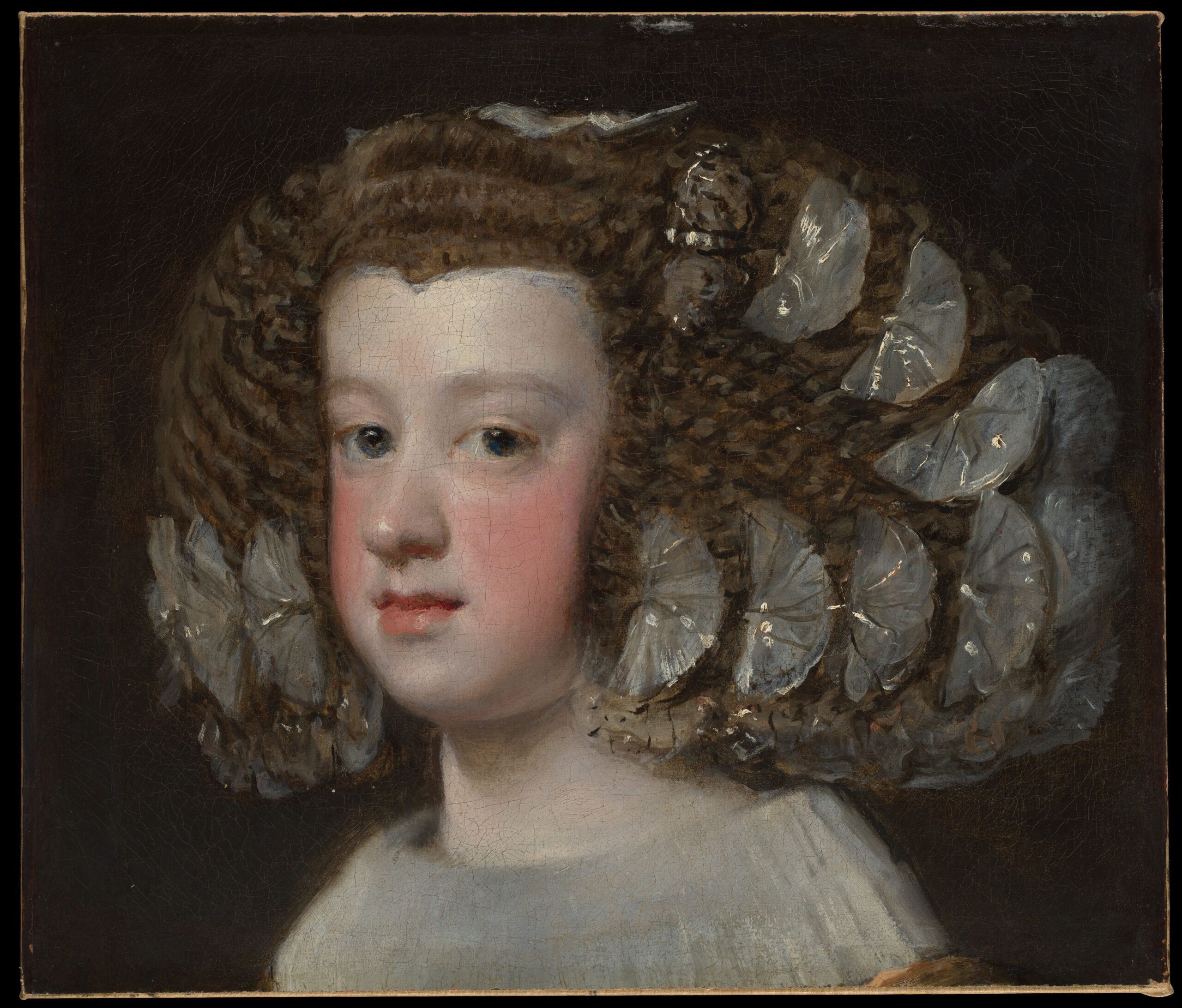
Painter’s Anecdote: Velázquez, Las Meninas, and the Little Infanta Who Owned the Room
Madrid, 1656. In a cool, high‑ceilinged room of the Alcázar palace, a small girl in a stiff silver dress is getting impatient. She is the Infanta Margarita Teresa, about five years old, daughter of King Philip IV of Spain. Her ladies fuss with ribbons and hair; dwarfs hover nearby; a mastiff thumps its tail on…
-
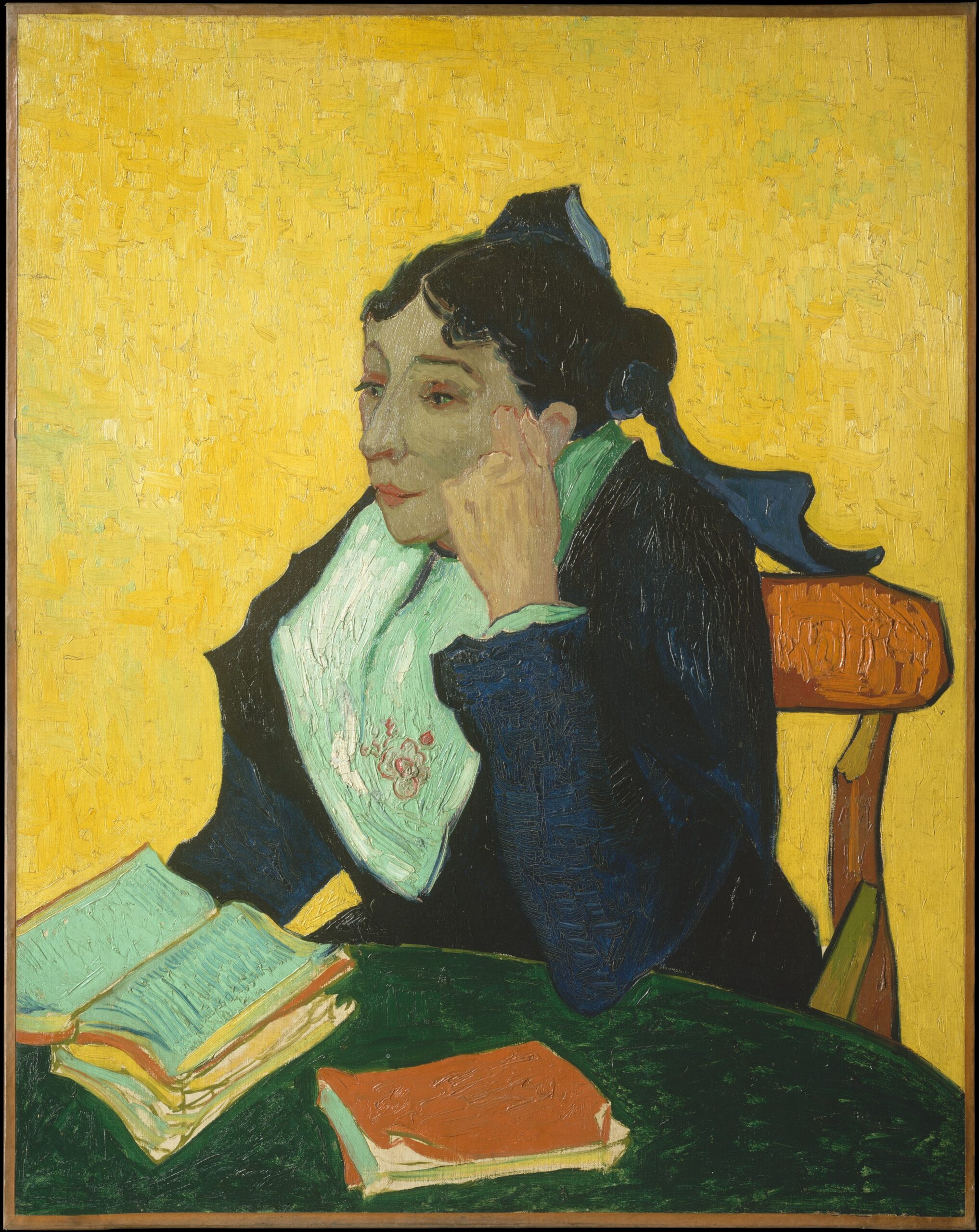
Painter’s Anecdote: Van Gogh’s Bandaged Ear and the Yellow Chair That Waited
How a December night in Arles, a quarrel with Gauguin, and a blood‑stained walk through town ended not only in Van Gogh’s bandaged ear, but in a stubborn self‑portrait that shows a painter refusing to abandon his yellow studio dream.