
Schlagwort: Technique Tuesday
Weekly series unpacking one art-making technique with a classic example.
-
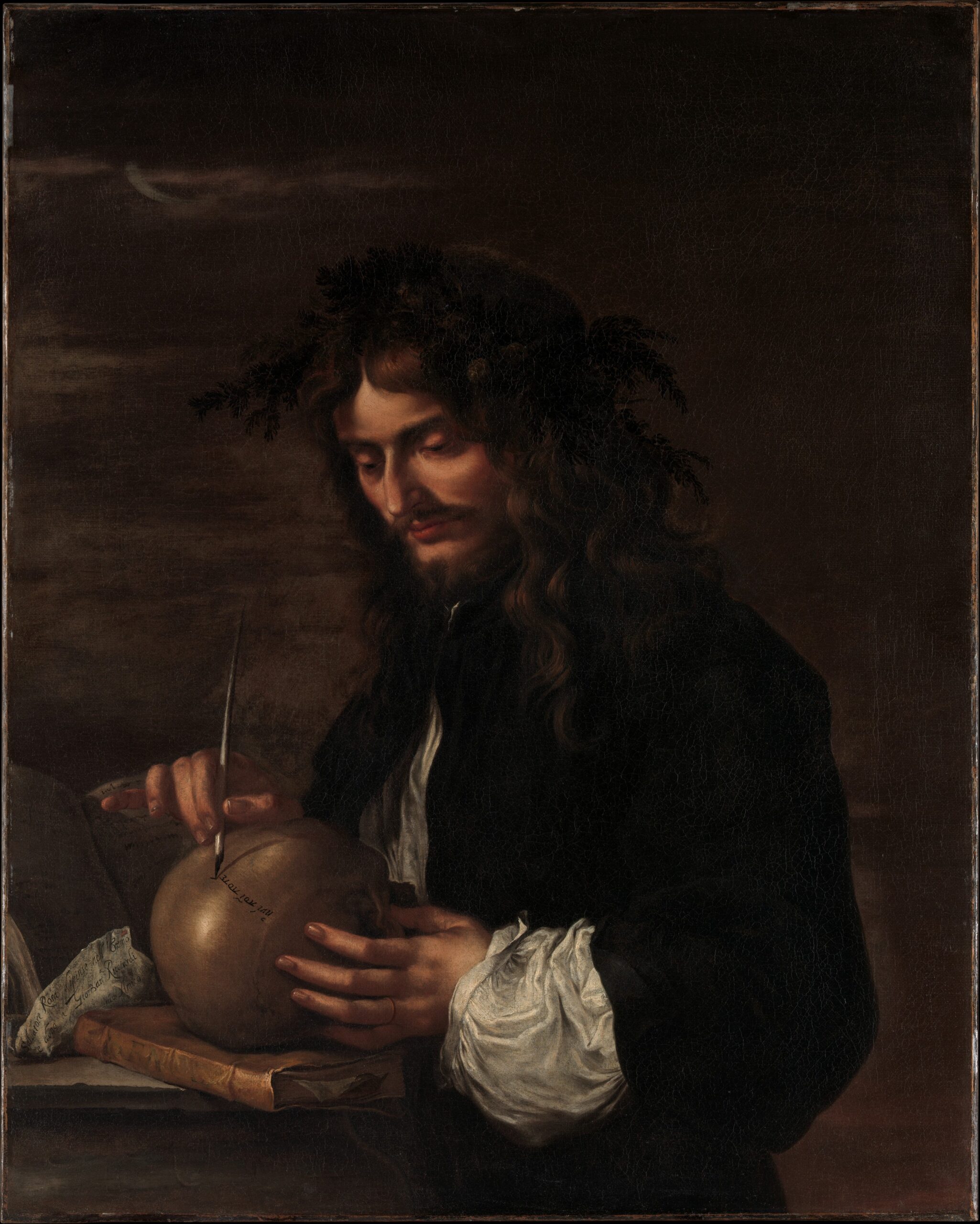
Technique Tuesday: Rembrandt’s Split Self – Costume and Light in the Uffizi Self‑Portraits
How Rembrandt uses costume, brushwork and light in his two Uffizi self‑portraits—mid‑1650s and 1669—to turn his own face into a split lesson in surface and self‑presentation.
-
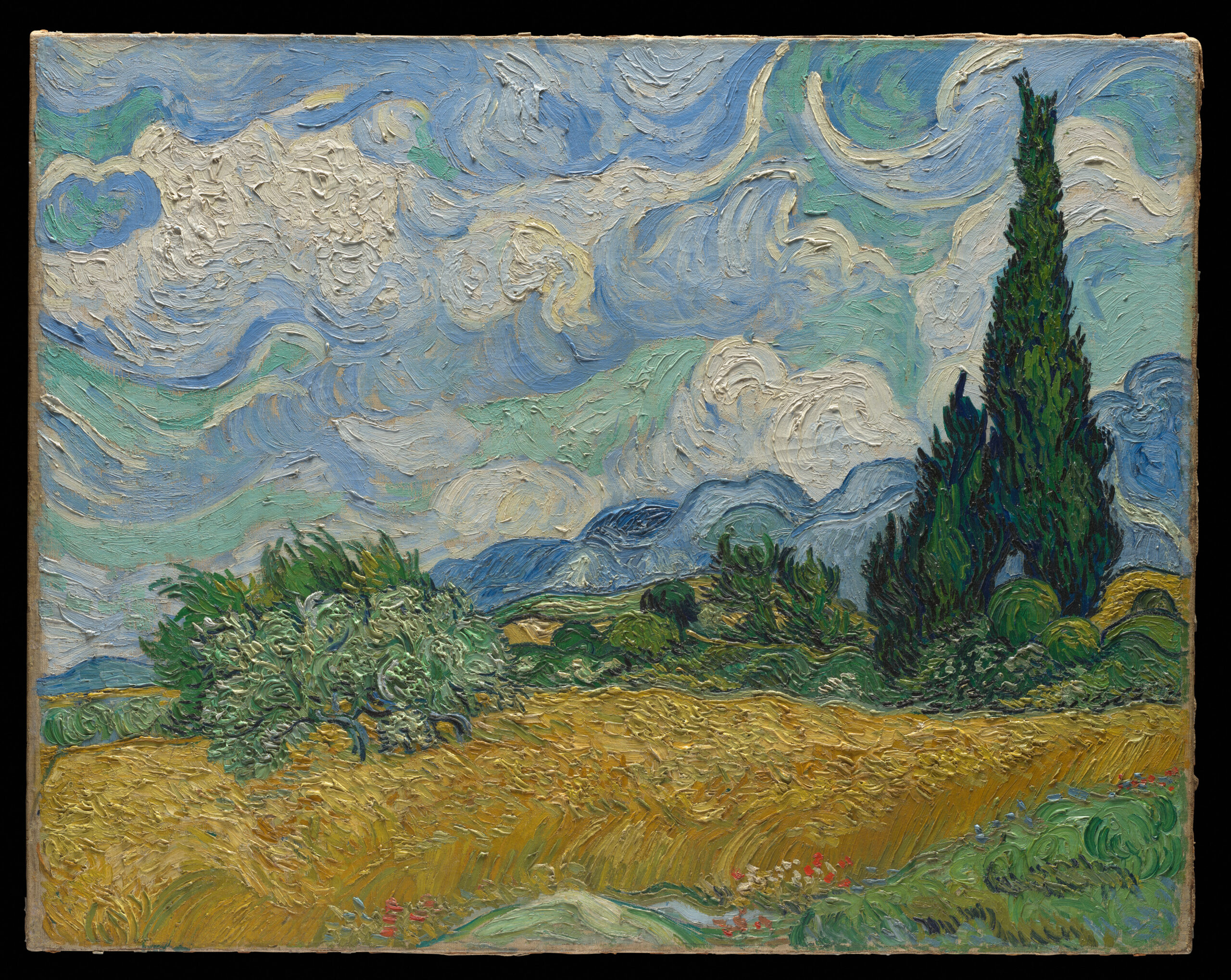
Technique Tuesday: Van Gogh’s Brush Rhythm – Impasto in “Wheat Field with Cypresses”
Some paintings hum under your skin before you’ve read a single label. Vincent van Gogh’s Wheat Field with Cypresses (1889, The Metropolitan Museum of Art) is one of them: sky curling like whipped light, wheat shivering in thick strokes, dark cypresses pinned against it all like exclamation marks. Today’s Technique Tuesday is about the engine…
-
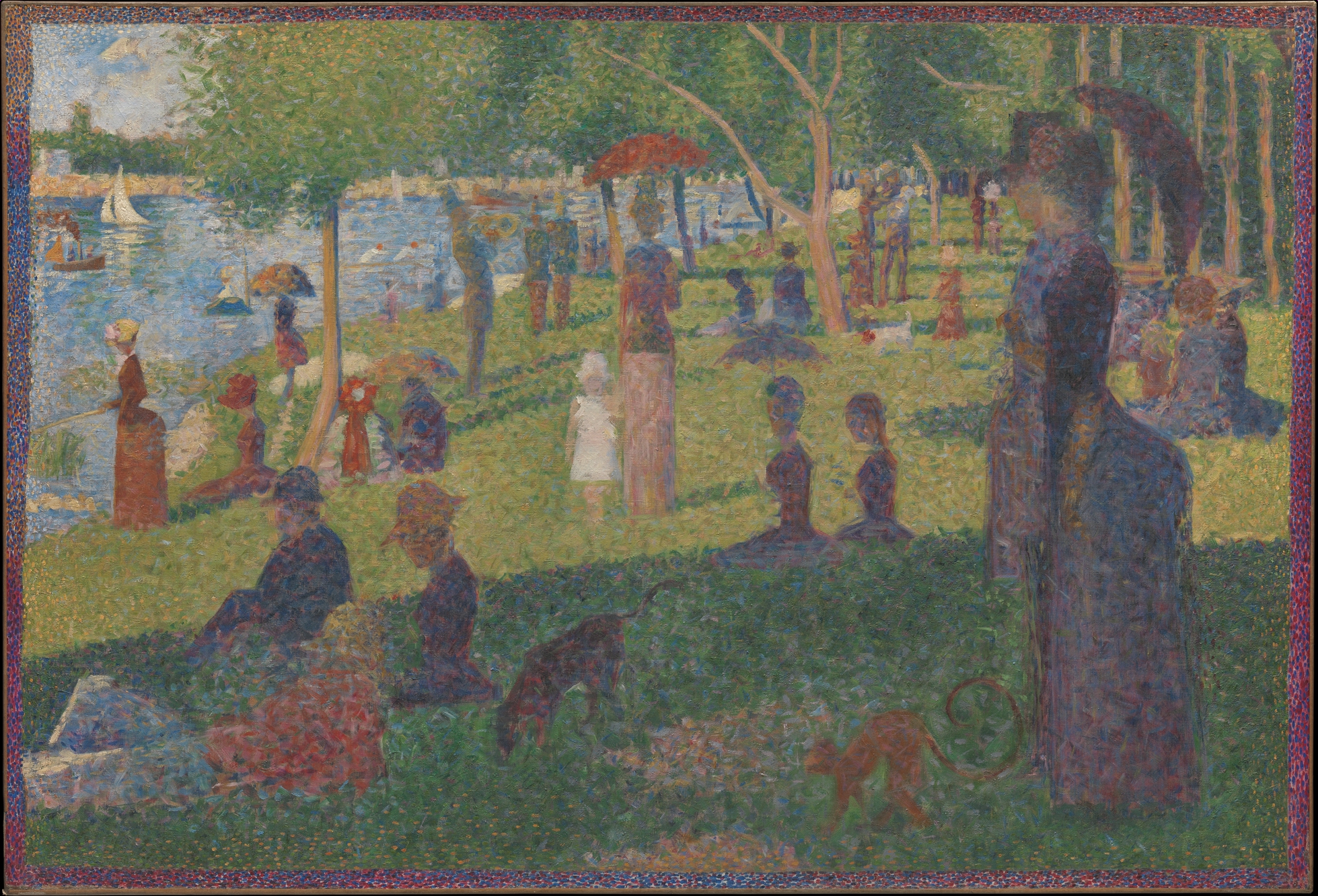
Technique Tuesday: Pointillism in Seurat’s Study for “A Sunday on La Grande Jatte”
How Seurat’s pointillism in his 1884 study for “A Sunday on La Grande Jatte” turns tiny dots of colour into shimmering light—teaching your eye to mix the painting on the canvas.
-
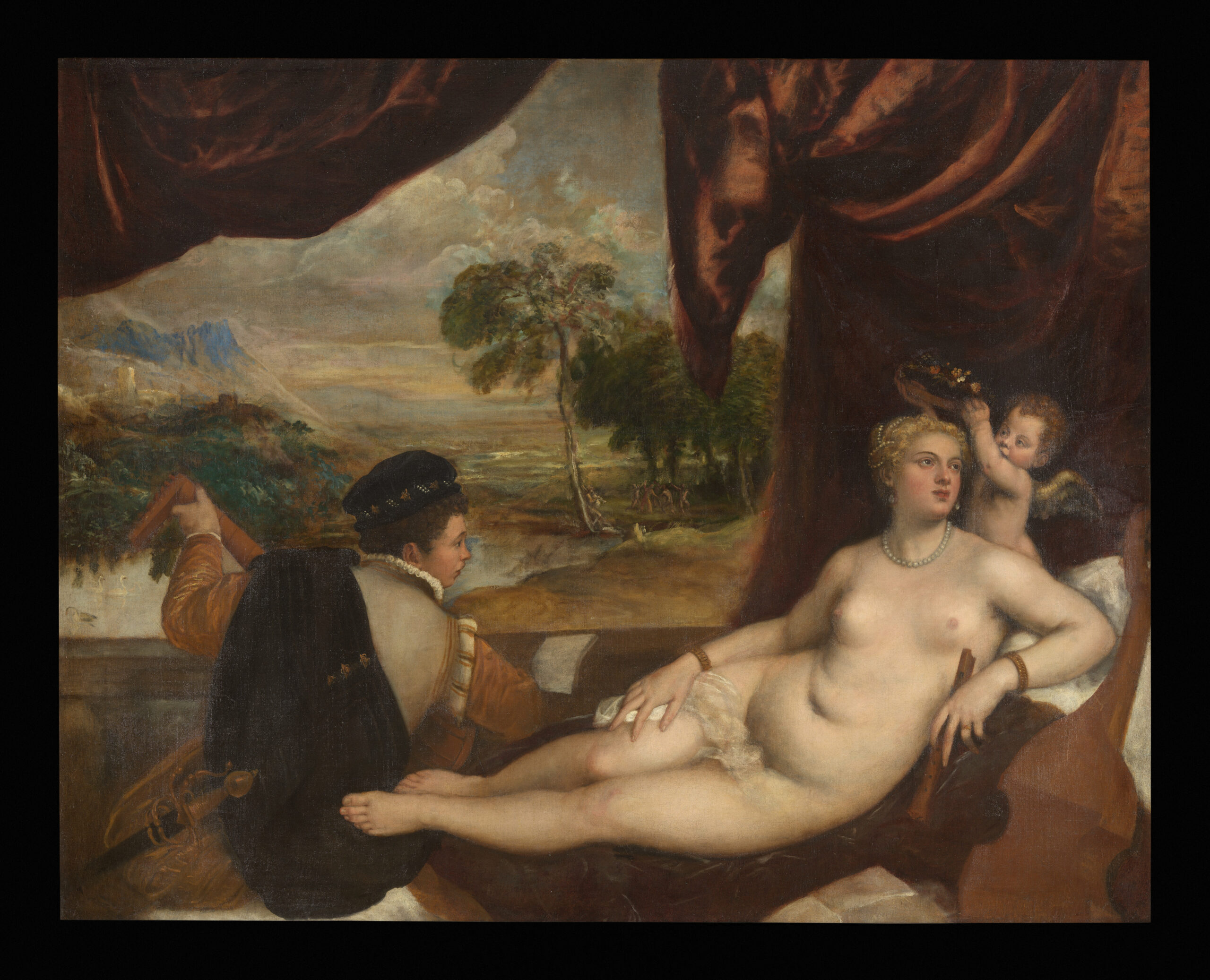
Looking Closer: Titian’s Veil of Flesh in “Venus and Adonis”
For this Friday’s Looking Closer, let’s not attempt to wrestle all of Titian at once. Instead we surrender to a single luminous fragment: the curve of Venus’s bare shoulder and back in his circle’s version of Venus and Adonis (1550s, The Metropolitan Museum of Art). Forget the hunting dogs and the myth for a moment.…
-
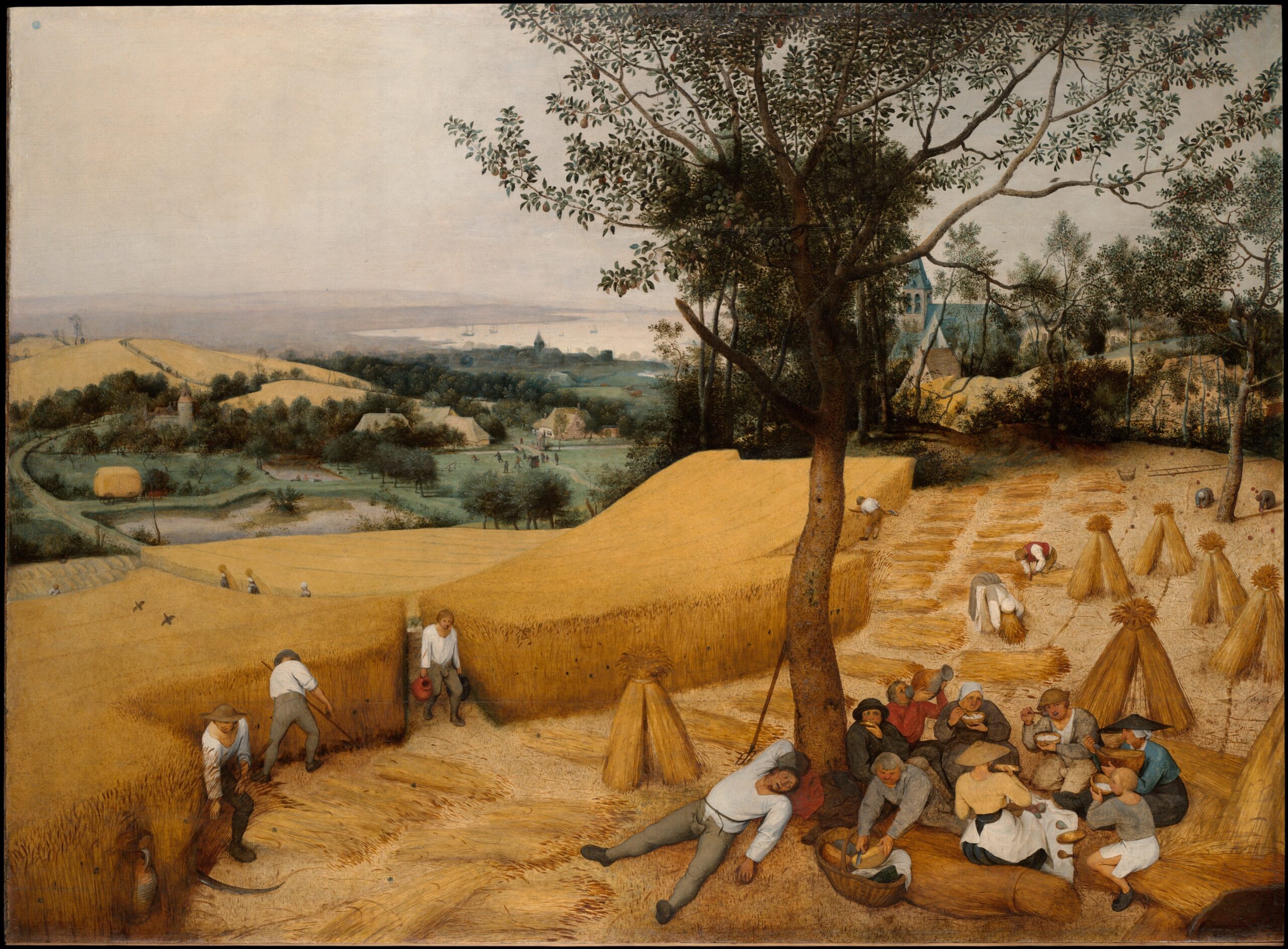
Technique Tuesday: Bruegel’s Underdrawing – Planning The Harvesters
How Bruegel’s hidden underdrawing quietly choreographs every tree, path, and peasant in The Harvesters (1565) – and how infrared reflectography lets us read that first draft beneath the golden paint.
-
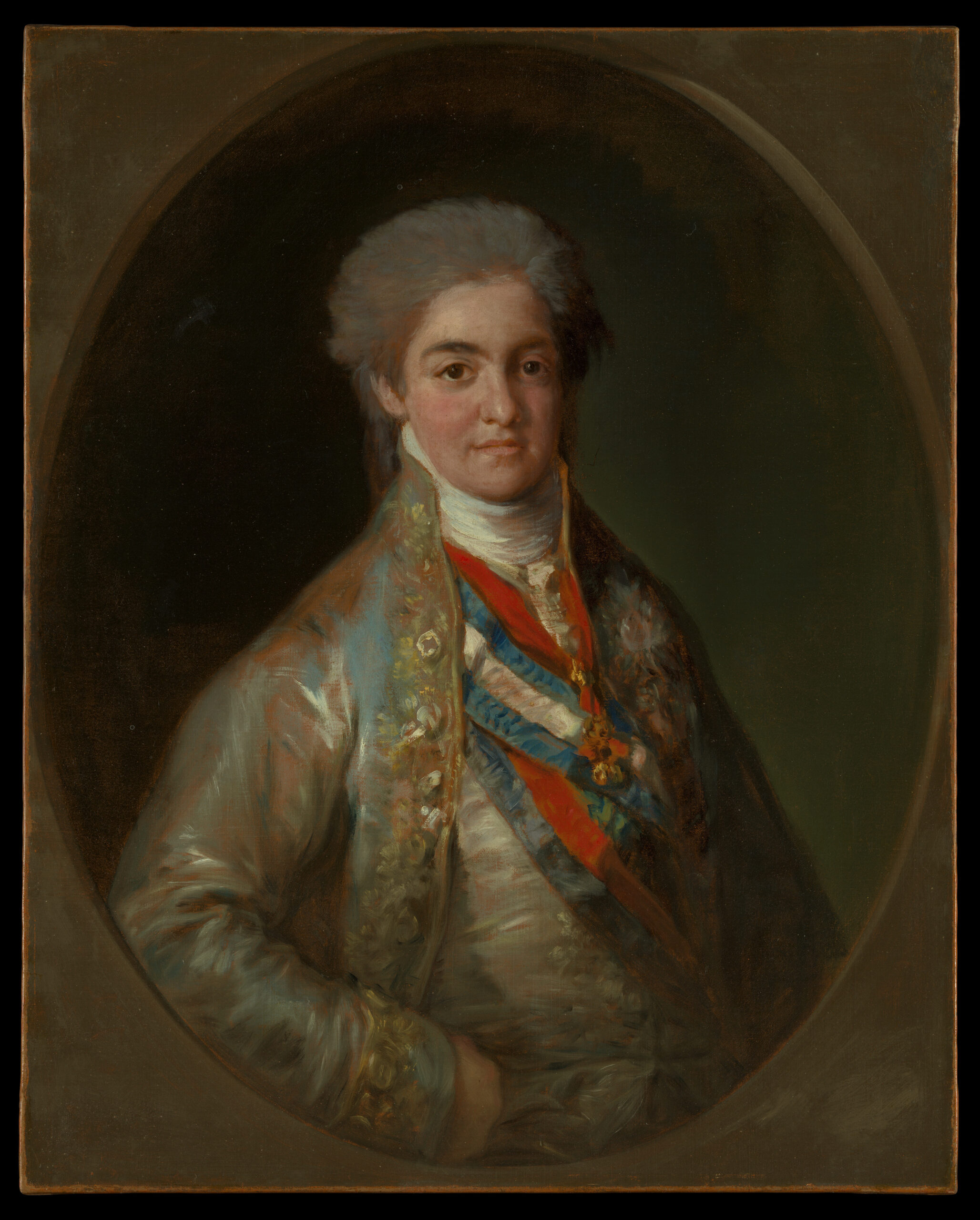
Technique Tuesday: Royal Red and Glazed Gold – Goya’s Portrait of Ferdinand VII
Not all painting techniques live in altarpieces and battles. Some are wrapped quietly around a royal stomach. For this week’s Technique Tuesday, we slip into the satin and symbolism of Francisco de Goya’s portrait of Ferdinand VII (when Prince of Asturias), today in The Metropolitan Museum of Art, to watch how he uses glazing and…
-
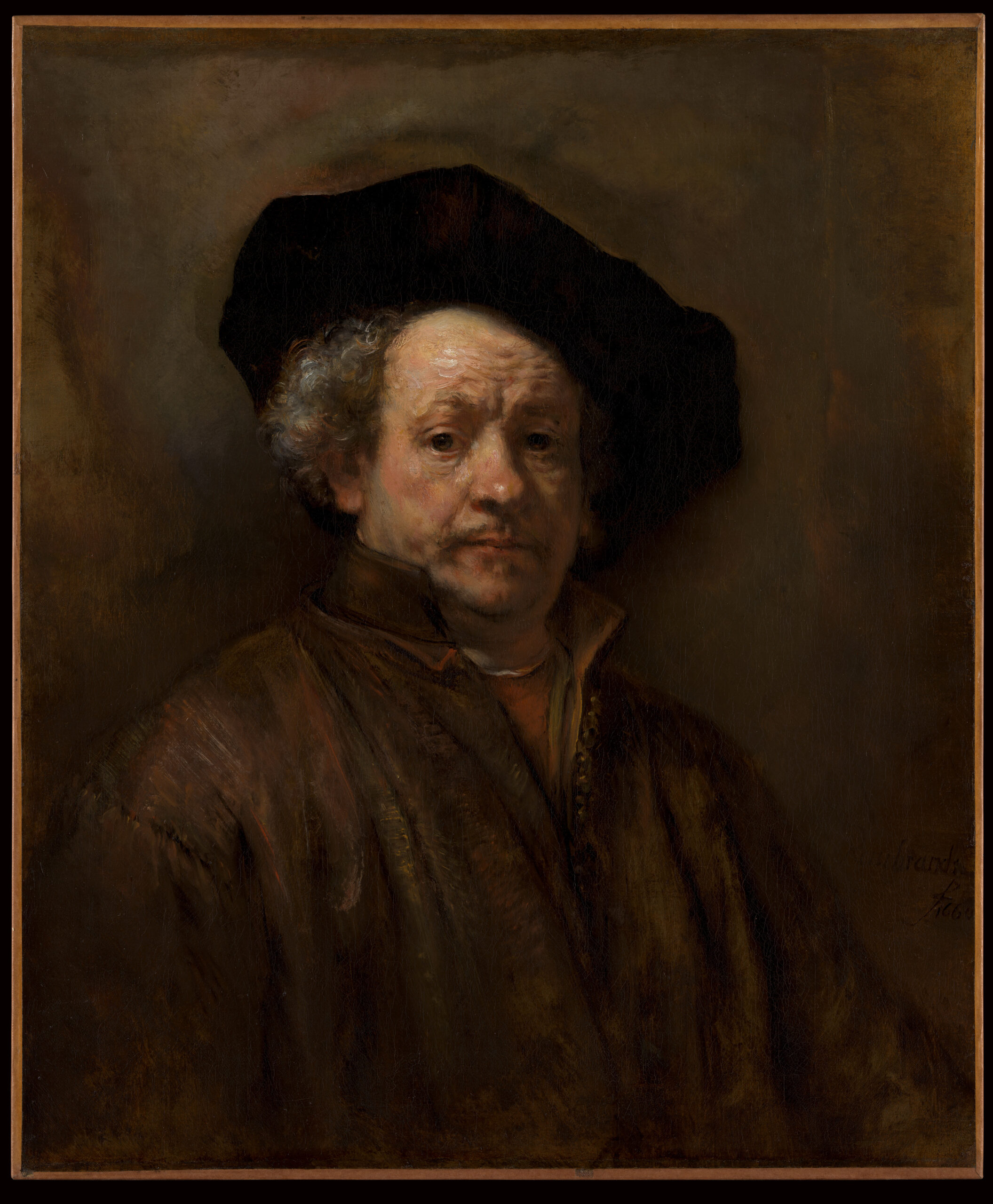
Looking Closer: The Wet Spark in Rembrandt’s Uffizi Self‑Portrait
A tiny fleck of paint in Rembrandt’s late Uffizi self‑portrait becomes a wet spark of life—proof that, up close, his ageing eye is really a landscape of fearless impasto.
-
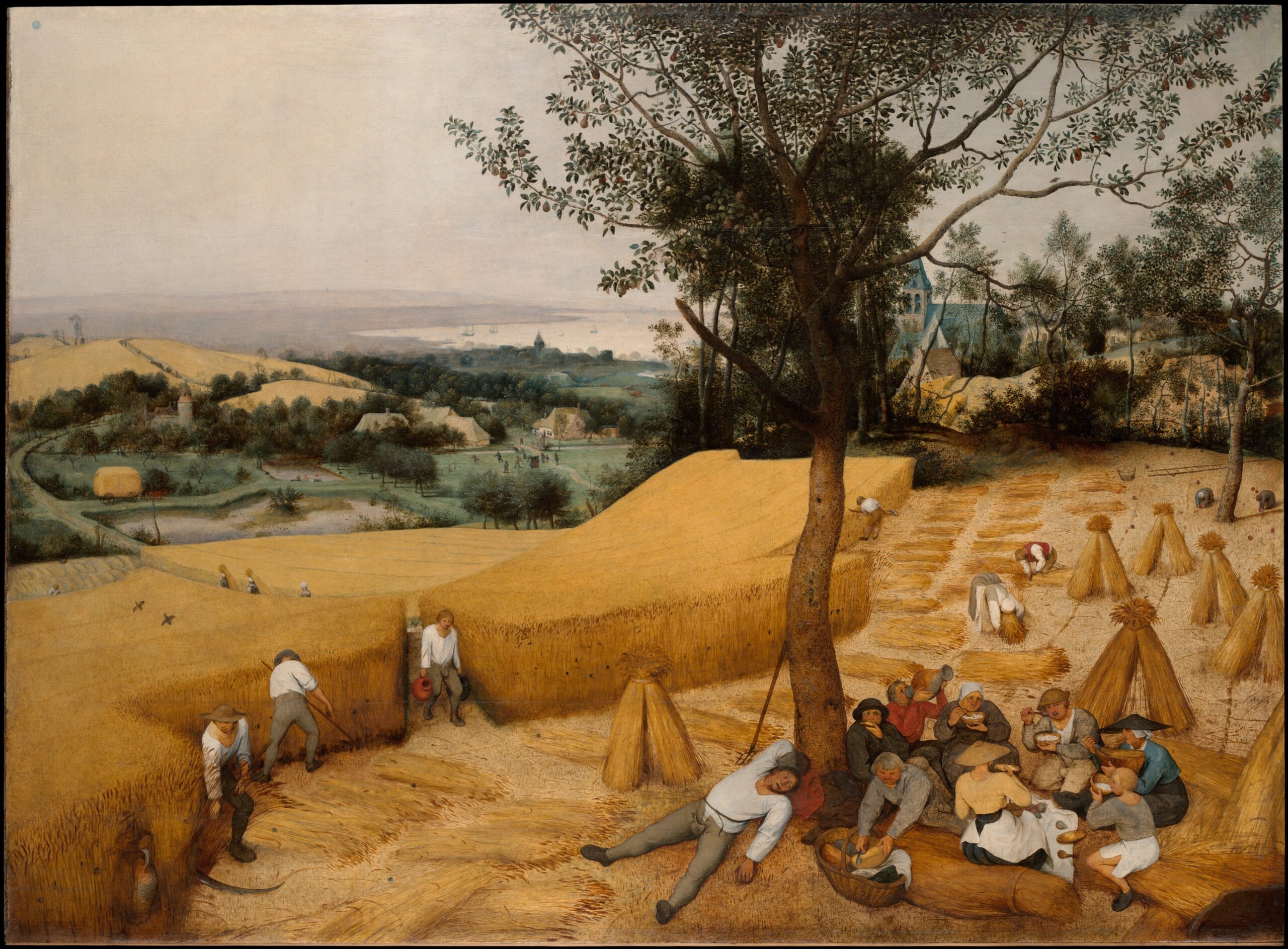
Technique Tuesday: Underdrawing Revealed – Reading Paintings with Infrared Eyes
How underdrawing and infrared reflectography reveal the ghostly first ideas beneath a painting’s surface—turning works like Bruegel’s The Harvesters into double images of thought and final decision.
-
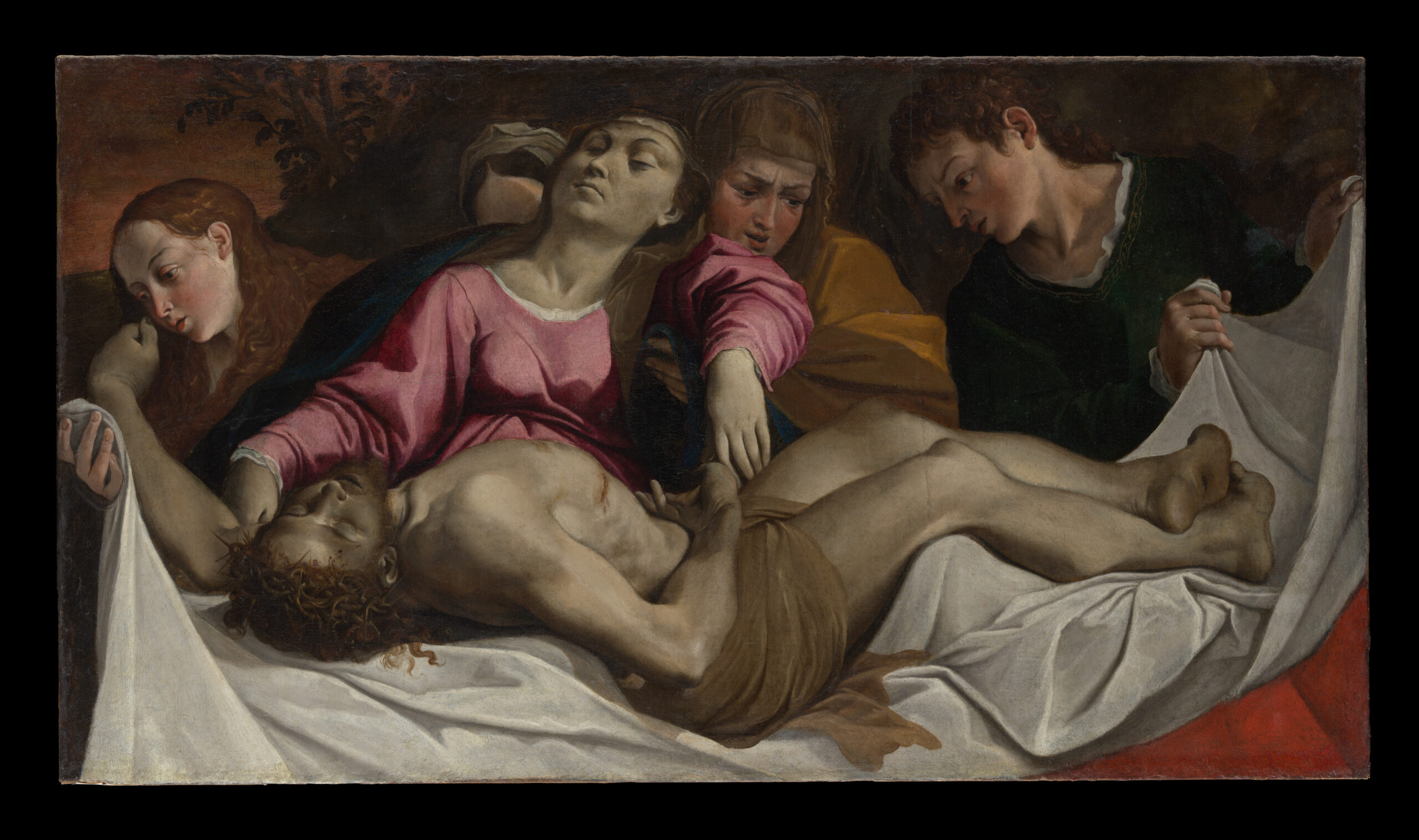
Technique Tuesday: Foreshortening Revisited – Carracci’s Body on the Stone Slab
For this week’s Technique Tuesday, we return to the quiet dare behind one of painting’s boldest spatial tricks: foreshortening. And we let it play out on a single, unforgettable body: Christ lying on the stone slab in The Lamentation (ca. 1582) by Ludovico Carracci, today in The Metropolitan Museum of Art. What foreshortening really does…
-
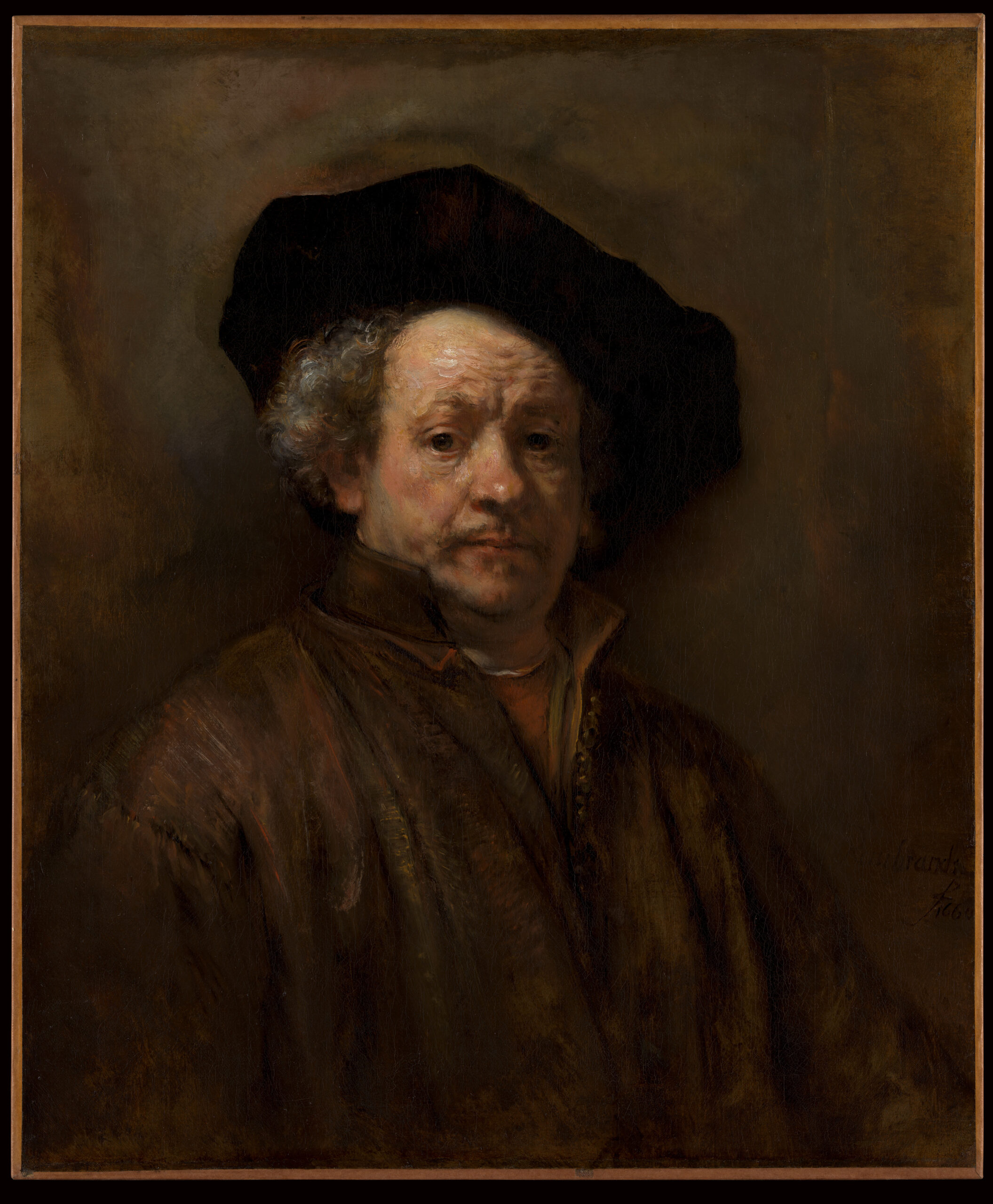
Looking Closer: The Wet Spark in Rembrandt’s Uffizi Self‑Portrait
A tiny fleck of paint in Rembrandt’s late Uffizi self‑portrait becomes a wet spark of life—proof that, up close, his ageing eye is really a landscape of fearless impasto.