
Schlagwort: Technique Tuesday
Weekly series unpacking one art-making technique with a classic example.
-
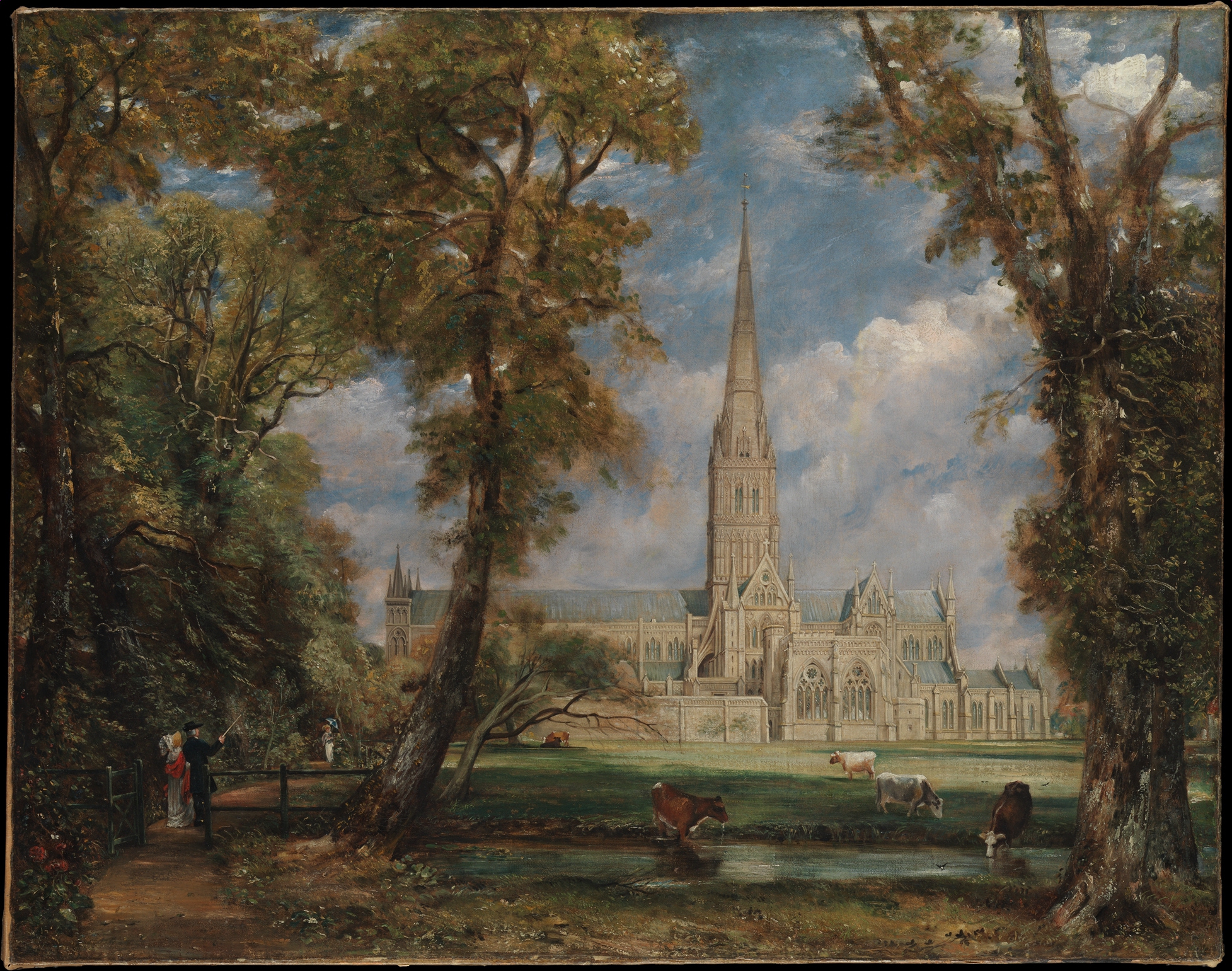
Technique Tuesday: Constable’s Skies – Painting Weather with Broken Edges
How John Constable turns English weather into painting by breaking the edges of his clouds—soft, frayed transitions between light and sky that make you feel the air moving.
-
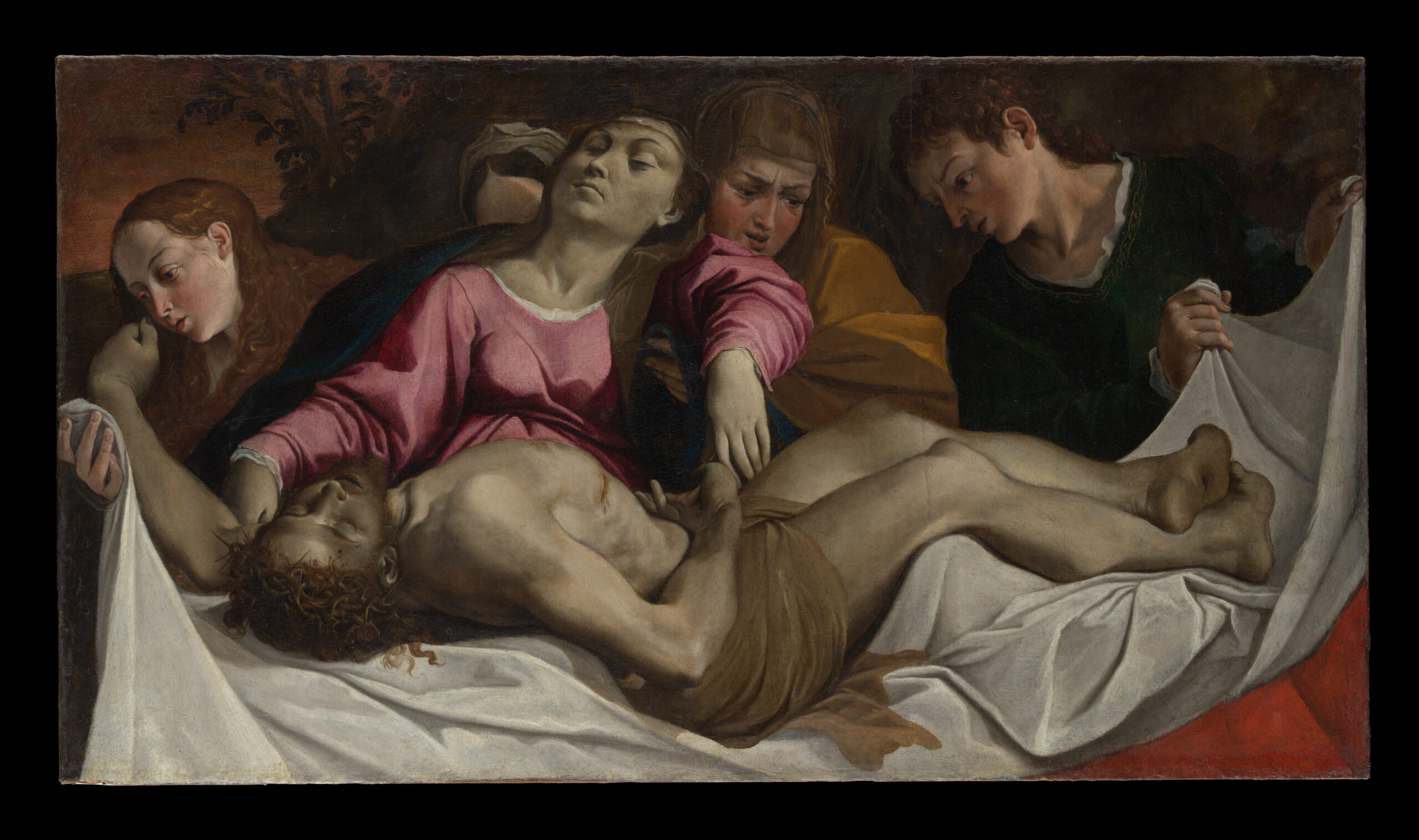
Looking Closer: The Foreshortened Body in Ludovico Carracci’s Lamentation
For this Friday’s Looking Closer, we stay with the same painting I used to explain foreshortening in Technique Tuesday—but this time, we surrender to a single, vertiginous detail: the foreshortened body of Christ in Ludovico Carracci’s The Lamentation (ca. 1582, The Metropolitan Museum of Art). Forget the entire scene for a moment. Let your eye…
-
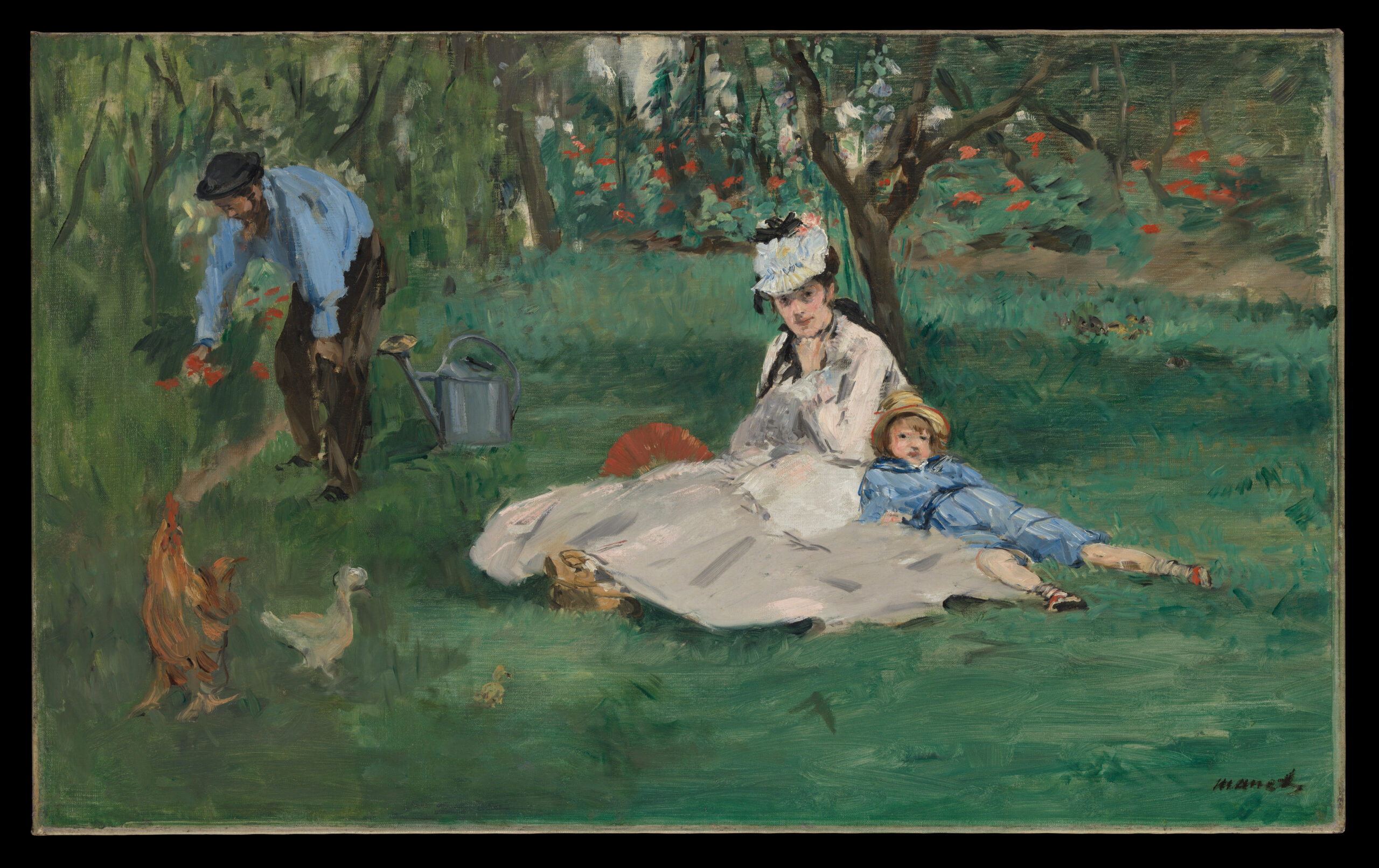
Technique Tuesday: Monet’s Broken Colour – Painting Light in “Water Lilies”
How Monet’s broken colour turns scattered strokes of paint into shimmering light on water in his Water Lilies series—teaching your eye to mix colour on the canvas.
-
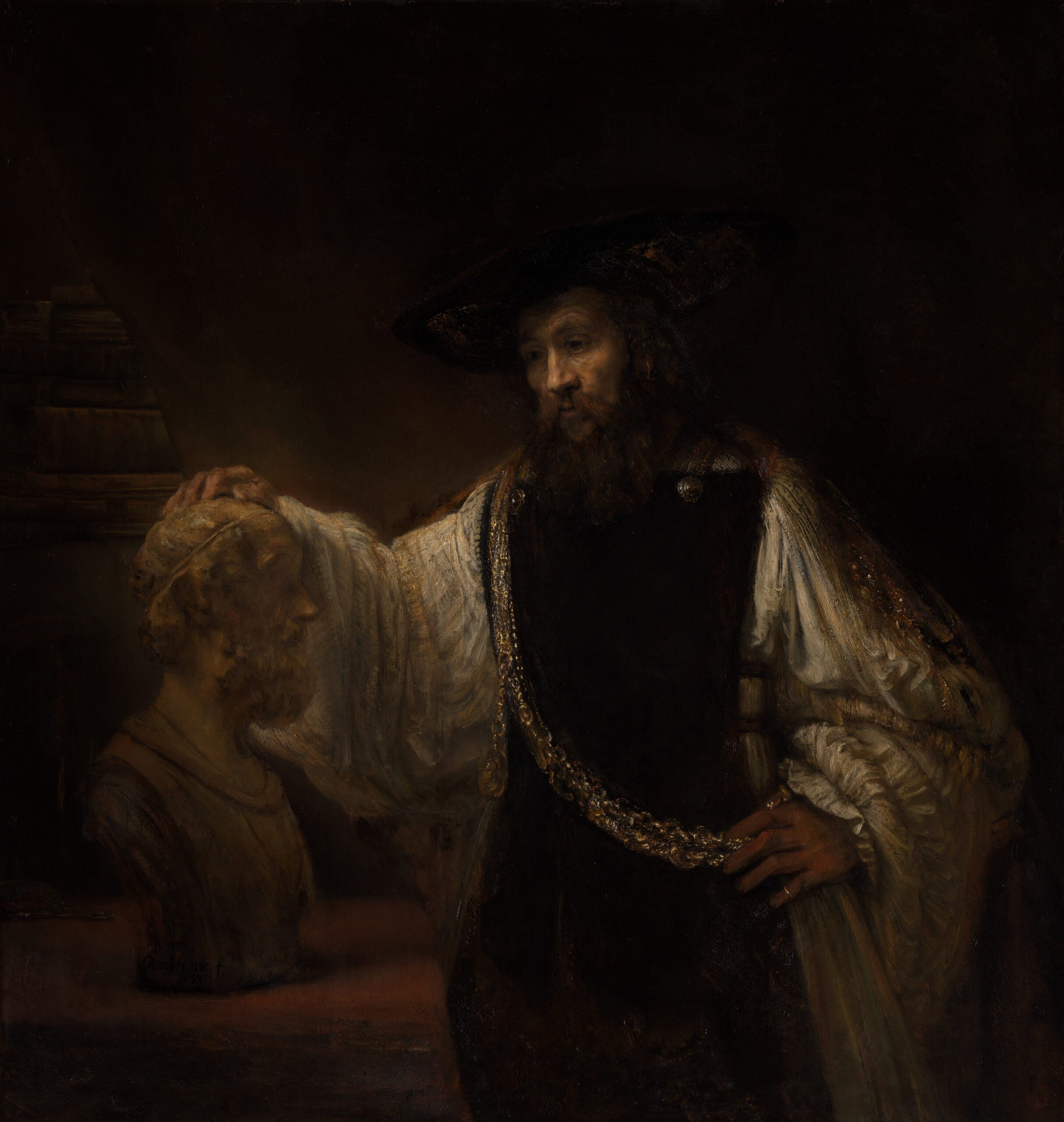
Technique Tuesday: Rembrandt’s Double Mirror – Self‑Portraits in the Uffizi
How Rembrandt uses brushwork, light, and costume to paint two very different self‑portraits in the Uffizi—turning his own face into a lesson in surface, structure, and time.
-
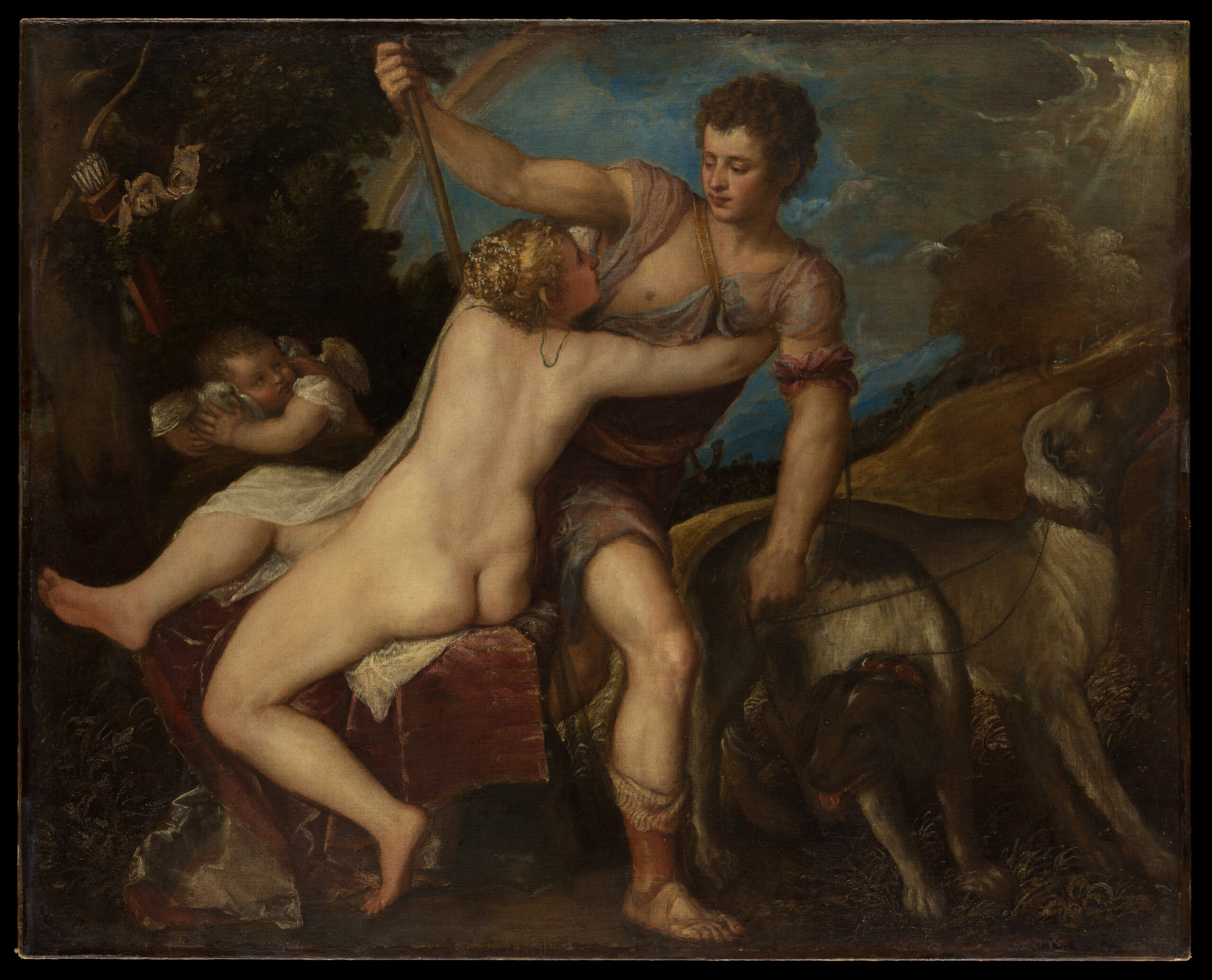
Technique Tuesday: Titian’s Golden Veil – Glazing Flesh in “Venus and Adonis”
How Titian’s layered oil glazes turn Venus’s skin in Venus and Adonis (1550s, The Met) into a luminous, living surface—more like light in flesh than paint on canvas.
-
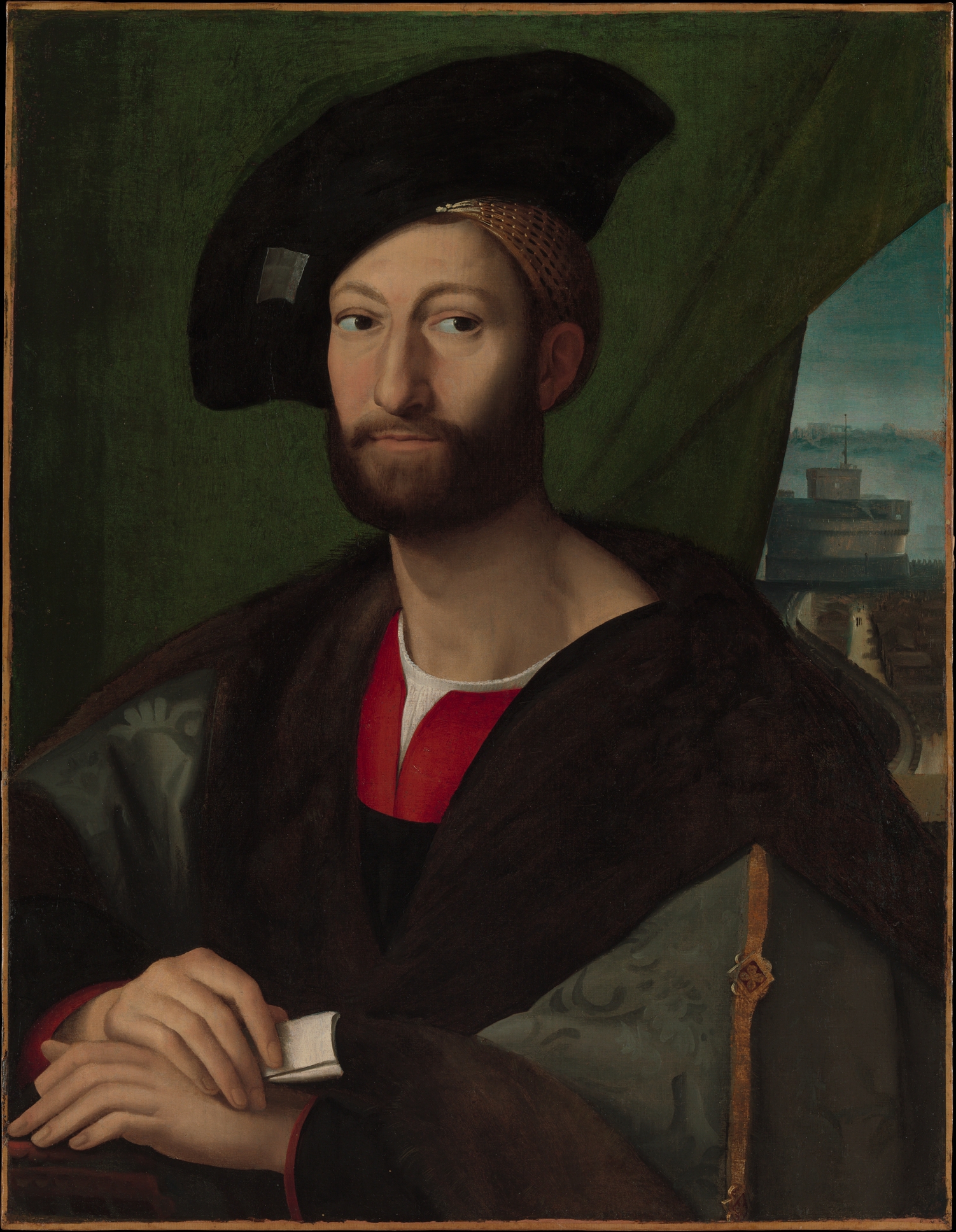
Technique Tuesday: Raphael’s Invisible Architecture – Perspective in The School of Athens
How Raphael’s School of Athens uses one-point linear perspective as an invisible architecture – turning a crowded gathering of philosophers into a lucid, walk‑in world of stone, light, and converging lines.
-
Francisco de Goya’s Black Paintings: When the Walls Start Listening
Goya’s Black Paintings were never meant for a museum—they were nightmares painted on the walls of his own house. This deep dive explores how an ageing, deaf court painter turned his villa into a theatre of war, witchcraft, disillusion, and radical honesty.
-
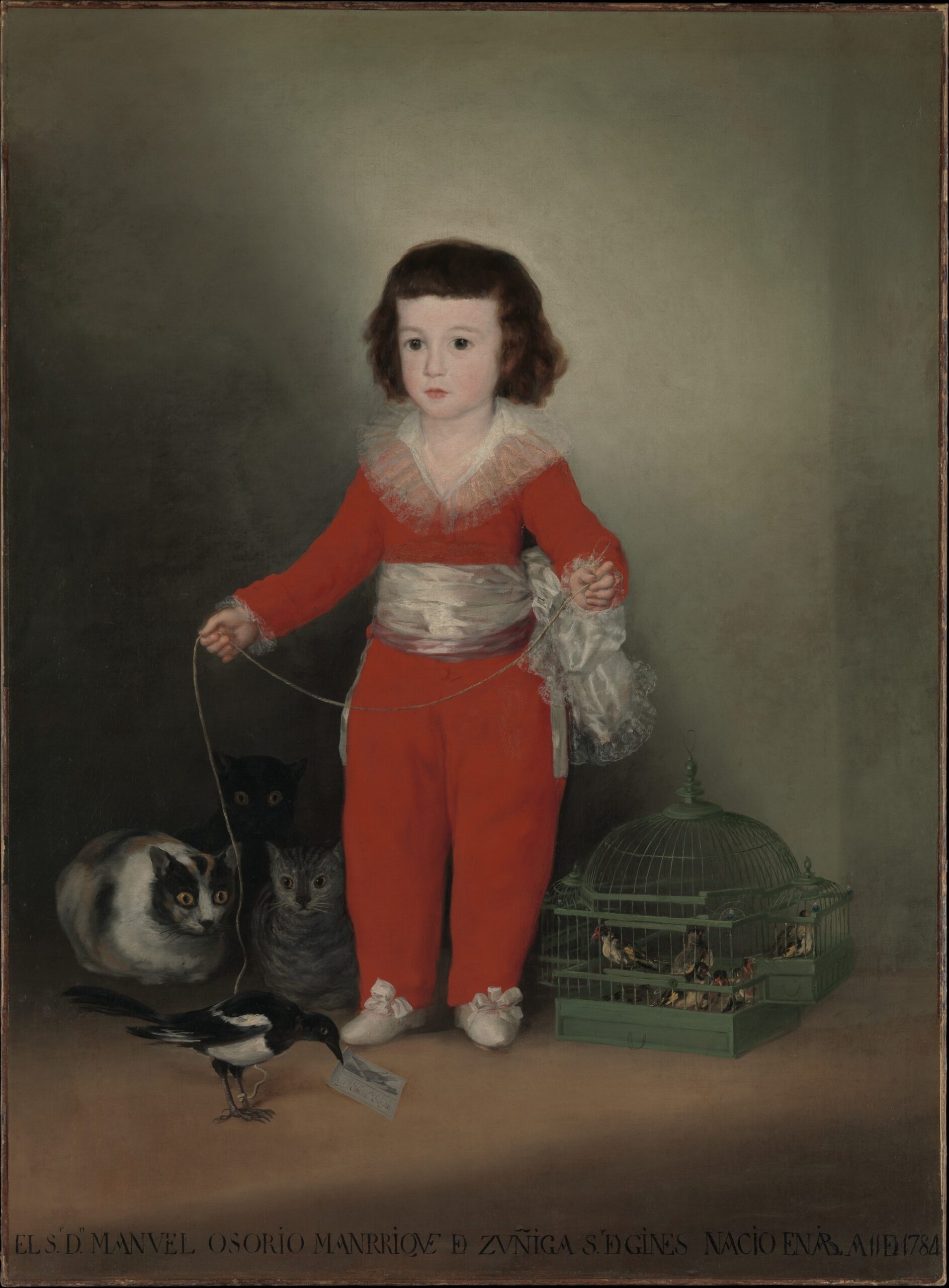
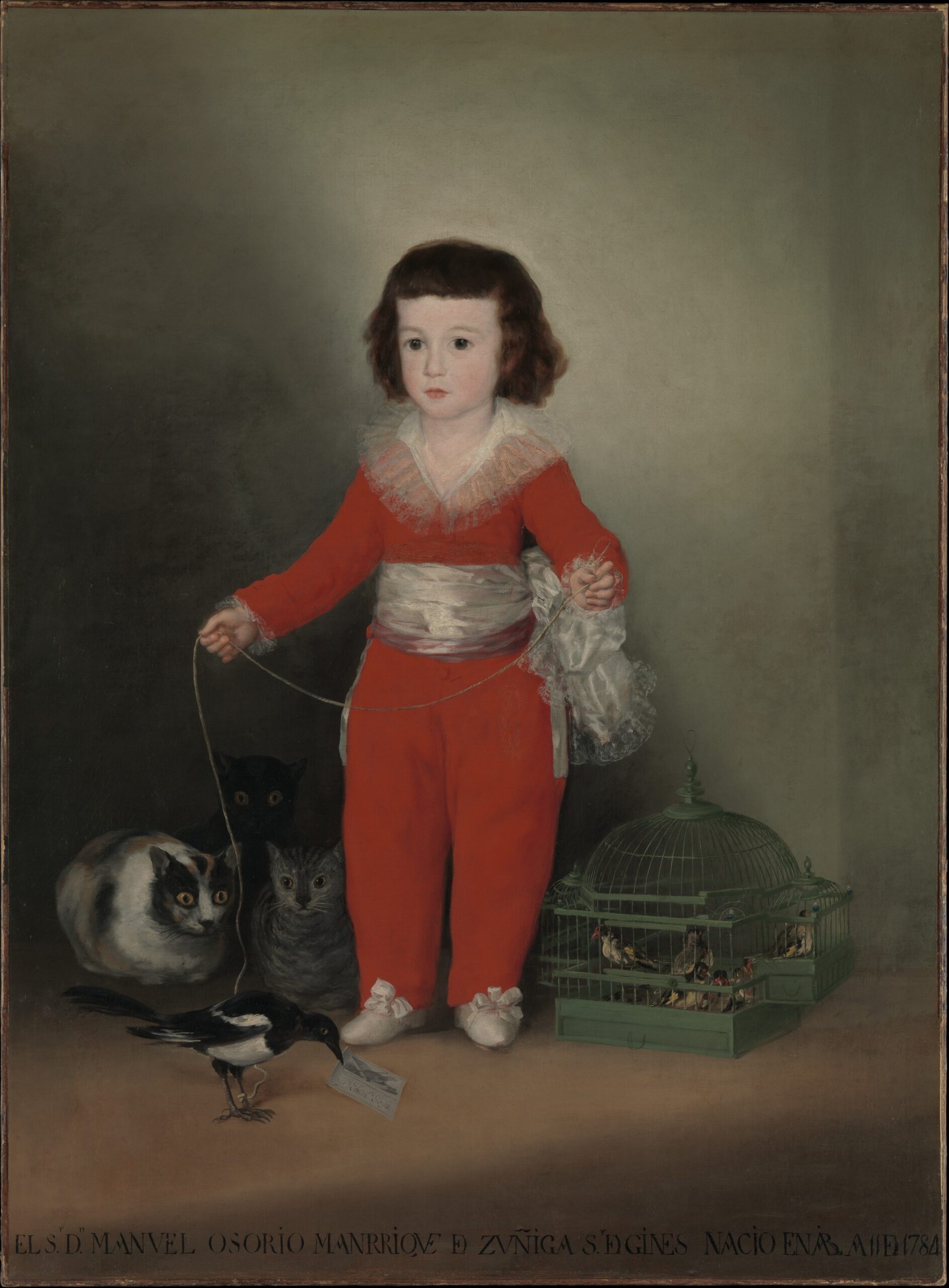
Technique Tuesday: Goya’s Velvety Darkness – Glazing in Manuel Osorio Manrique de Zuniga
How Goya’s transparent glazes make a small boy in scarlet and his menagerie glow out of velvety darkness in Manuel Osorio Manrique de Zuniga (1787–88).
-
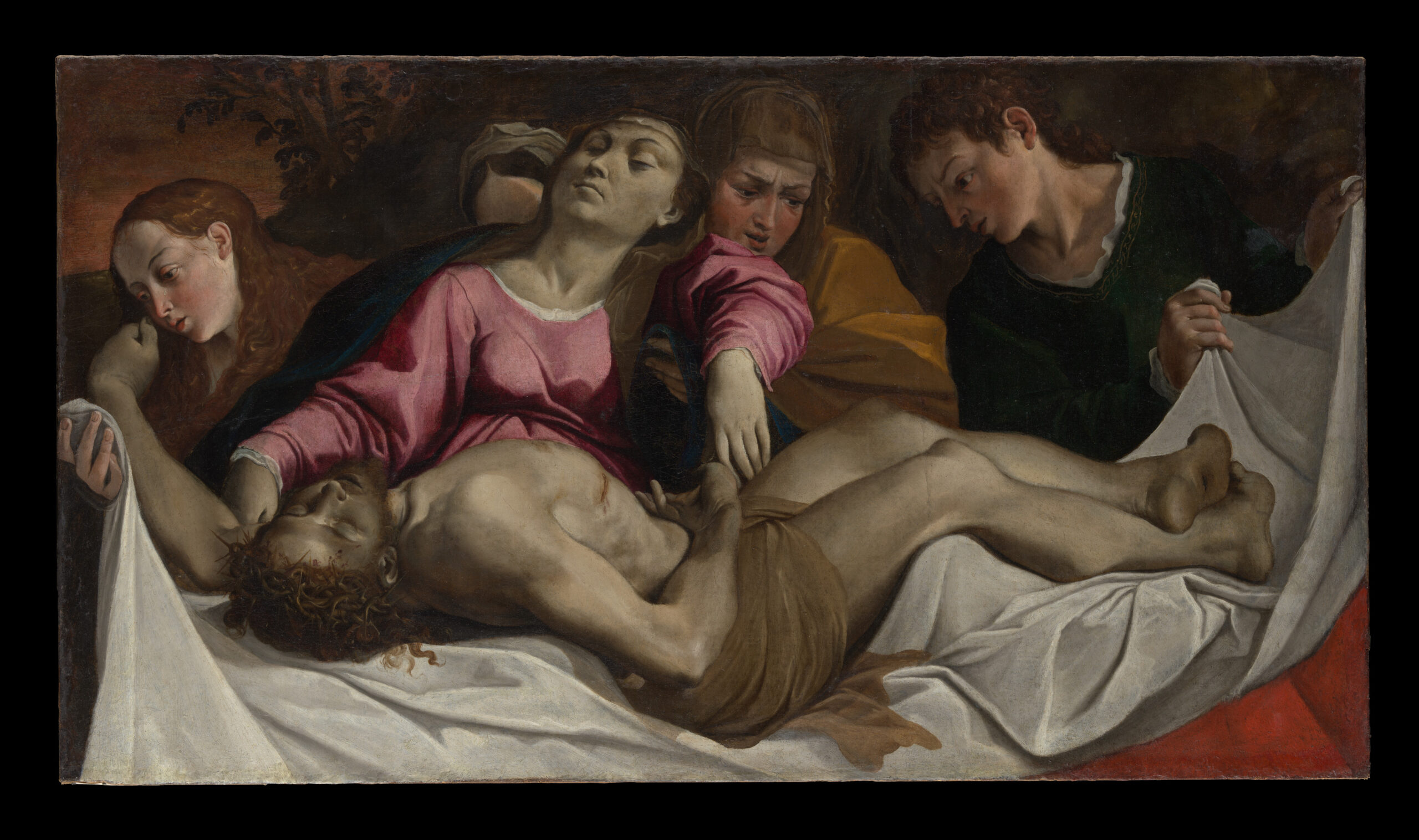
Technique Tuesday: Foreshortening – When Perspective Lays a Body on the Picture Plane
Ludovico Carracci, The Lamentation, ca. 1582. The Metropolitan Museum of Art, New York (Accession 2000.68). Public Domain image via The Met. Technique Tuesday: Foreshortening – When Perspective Lays a Body on the Picture Plane Foreshortening is what happens when an artist looks straight at a form that recedes in space – and decides to paint…
-
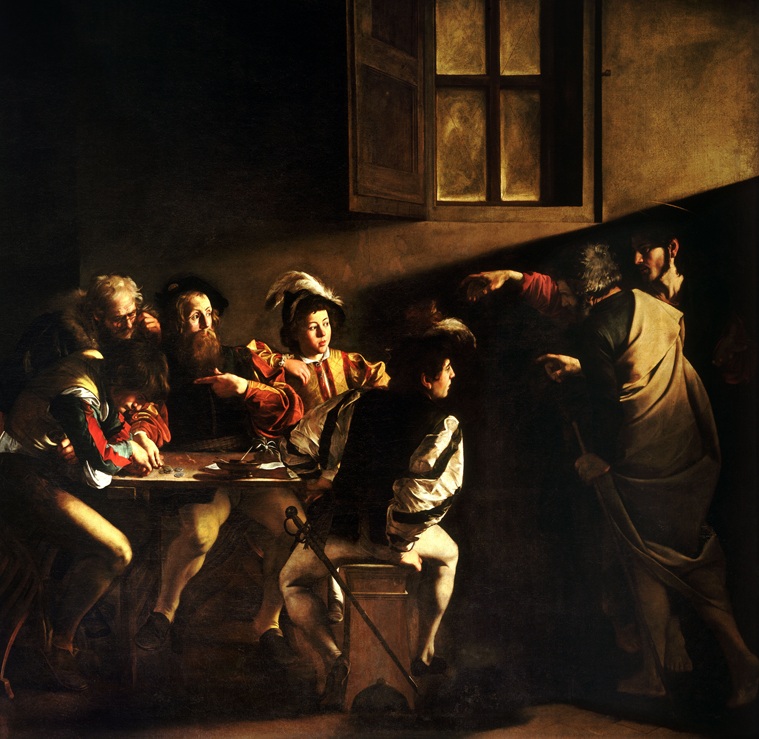
Technique Tuesday: Chiaroscuro – Painting with Darkness
What is chiaroscuro, really? In this Technique Tuesday mini-lesson, we look at Caravaggio’s “The Calling of Saint Matthew” to see how dramatic light and shadow sculpt forms, guide your eye, and turn theology into pure visual theatre.