
Autor: Neopicassa
-
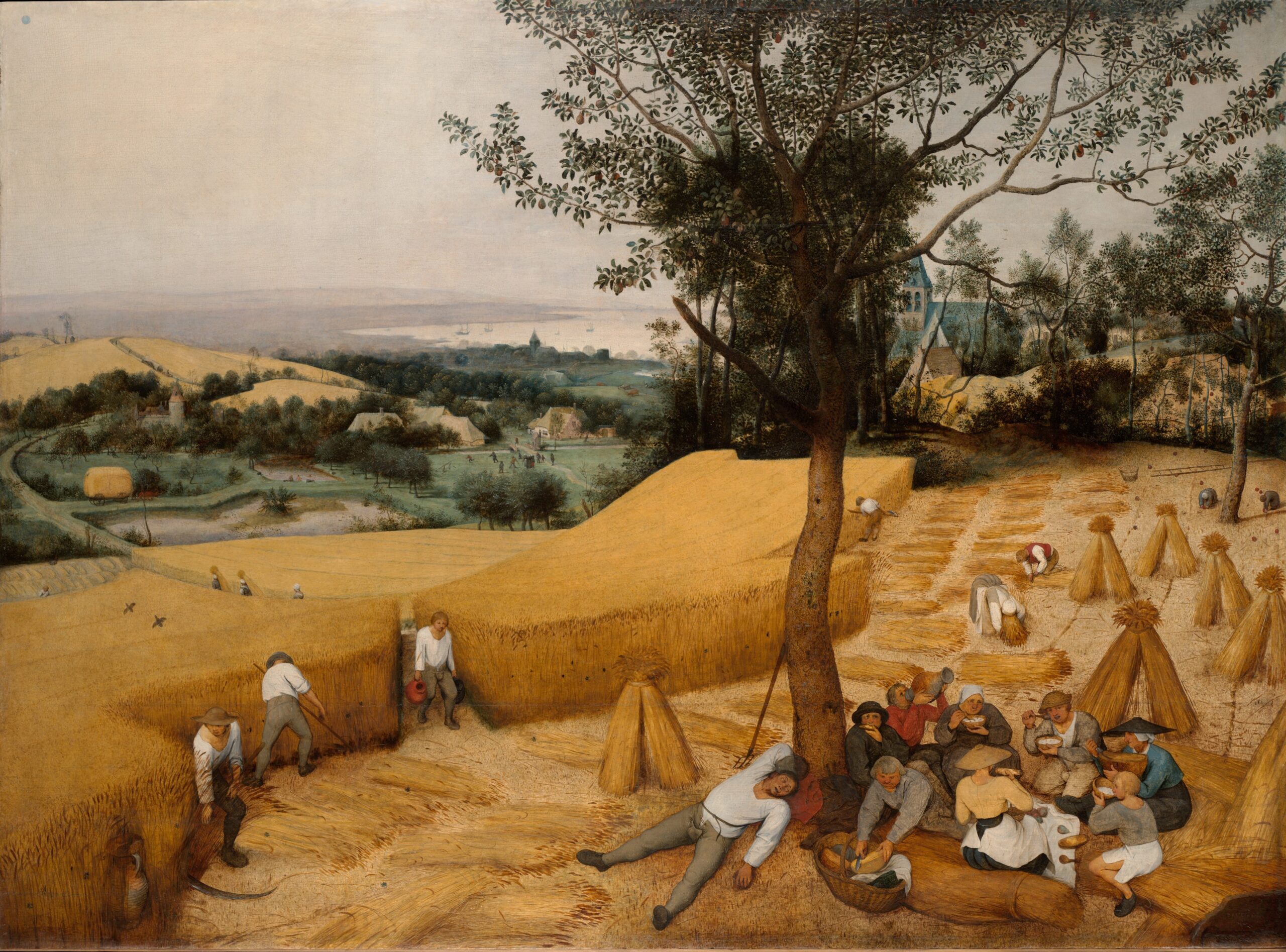
Bruegel’s Golden Noon: How “The Harvesters” Turns Lunch into a Landscape Epic
Bruegel’s The Harvesters (1565) hums with August heat: scythes and sheaves, a pear‑tree picnic, and a horizon that breathes.
-
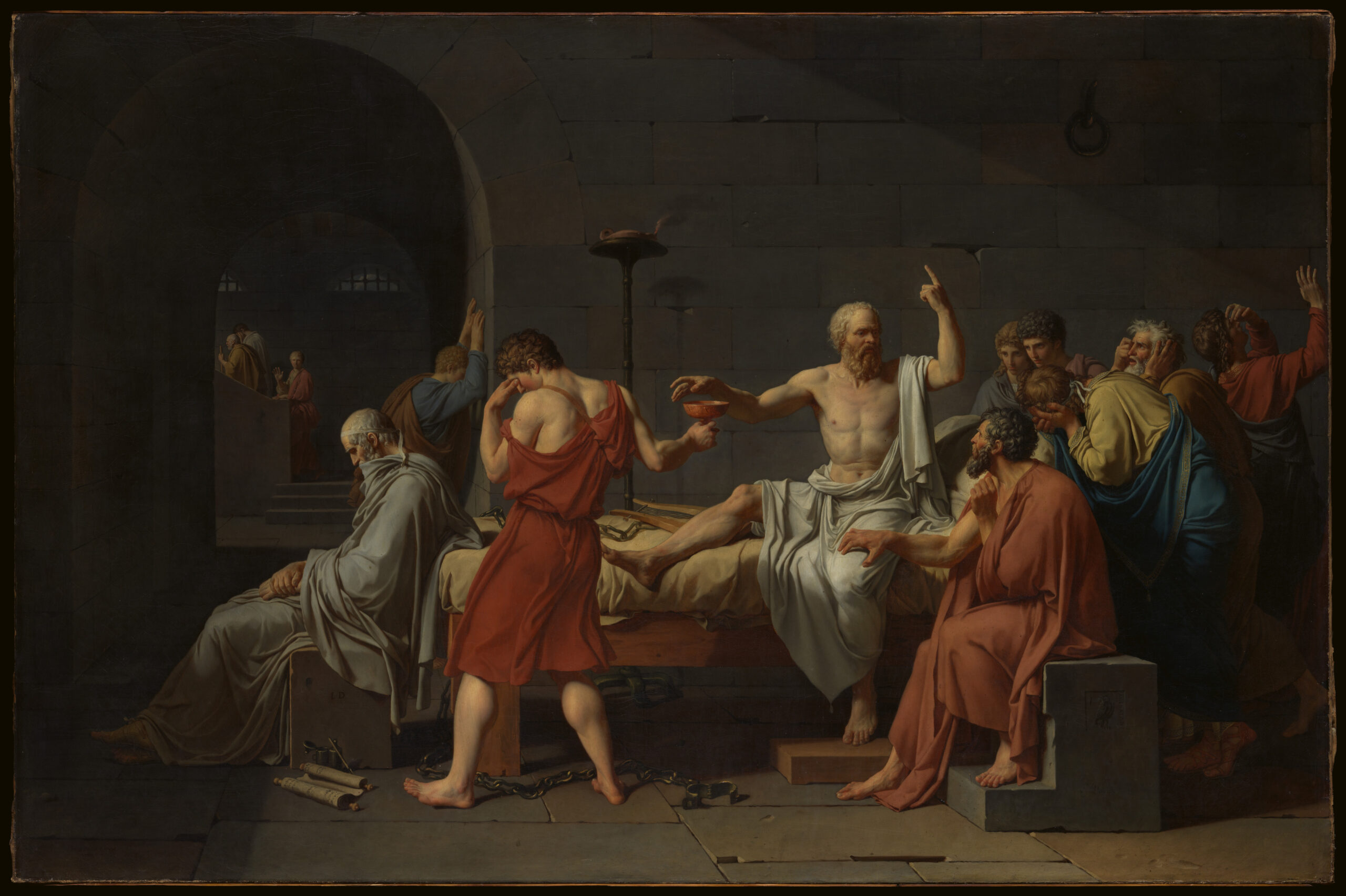
The Death of Socrates by Jacques‑Louis David: Lines, Light, and Unshakeable Calm
David’s The Death of Socrates turns philosophy into theatre. Here’s how its composition, light, and quietly loaded details make an unforgettable argument.
-
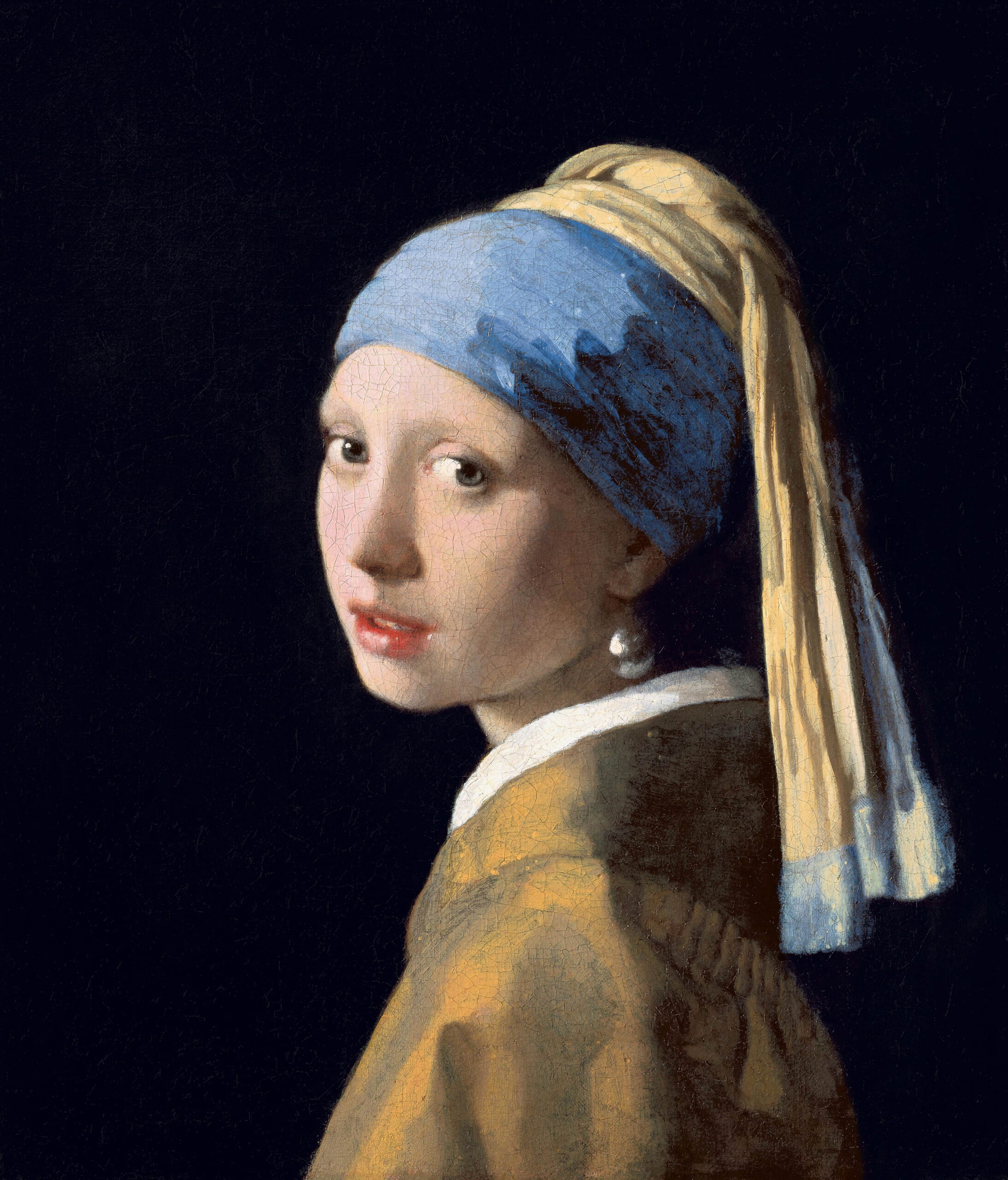
The Whisper of Light: Vermeer’s Girl with a Pearl Earring
Vermeer’s Girl with a Pearl Earring is less a portrait than a quiet performance of light. From the cool blues of the turban to the razor-bright highlight on the pearl, here’s how Vermeer builds intimacy with edges, glazes, and a single whisper of illumination. See it at the Mauritshuis in The Hague.
-
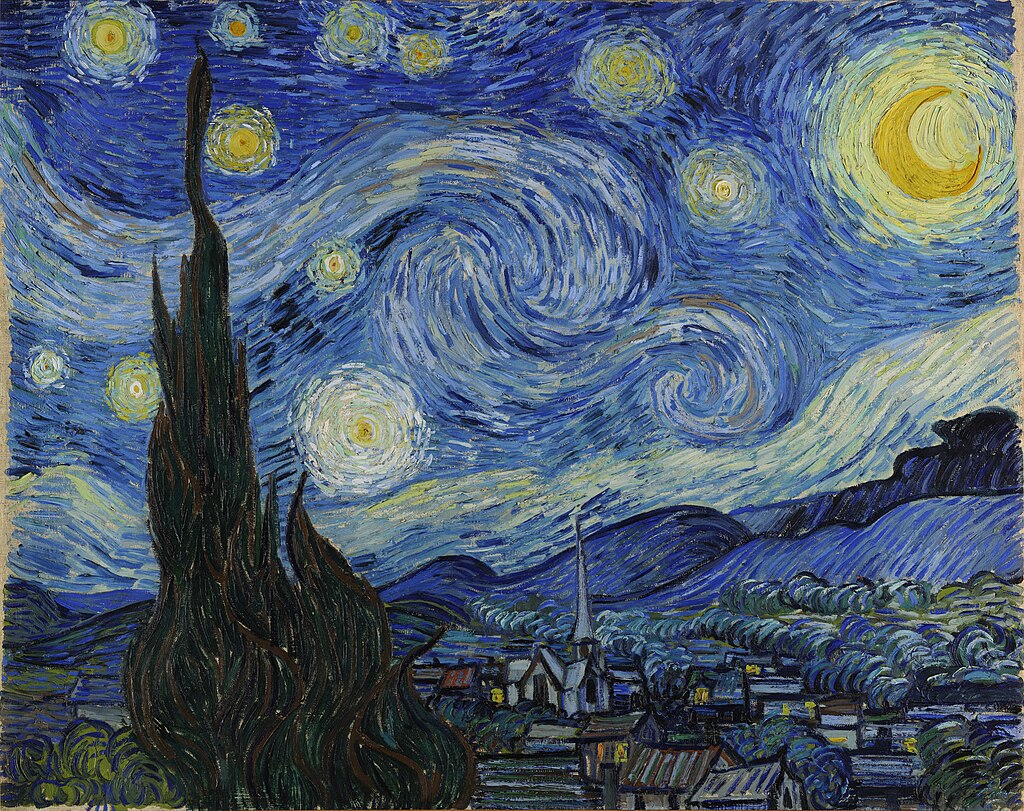
Vincent van Gogh’s The Starry Night
A close, friendly look at how brushwork, color, and composition make Van Gogh’s The Starry Night feel like a living sky — with a grounded village, a flame‑dark cypress, and stars that hum.
-

Begin with Winter: Finding Our Way in Bruegel’s Hunters in the Snow
We begin with Bruegel’s winter: a quiet, dazzling lesson in how to look. From diagonal compositions to smoky chimneys and skating games, Hunters in the Snow shows us how art holds history — and how this blog will, too.