Autor: Neopicassa
-
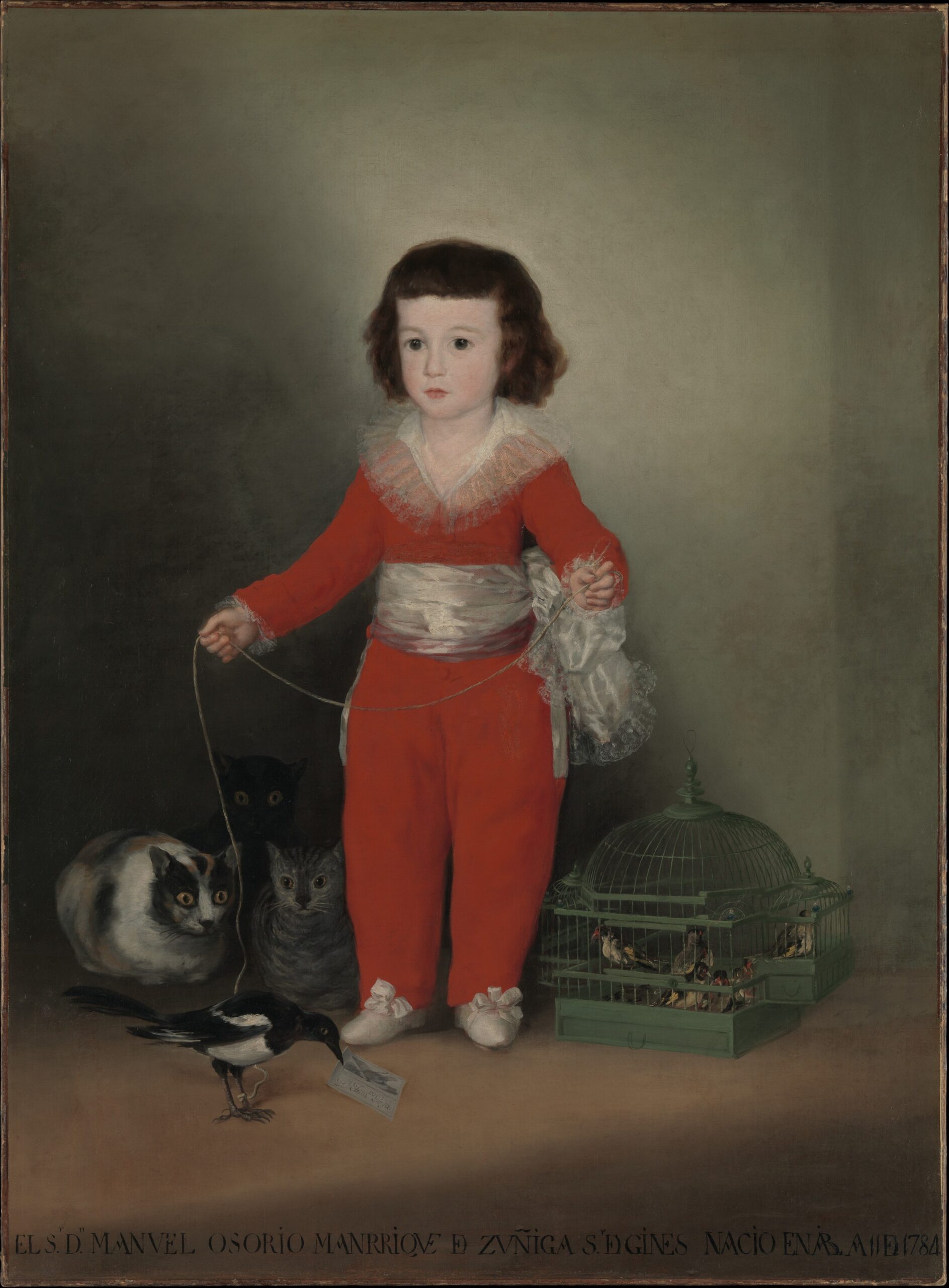
Painter’s Anecdote: Francisco de Goya, Saturn, and the Dinner Guests on the Wall
How an ageing Goya, deaf and withdrawn into his “Villa of the Deaf Man,” painted Saturn straight onto his own dining‑room wall – not for kings or museums, but as a private guest at the table, embodying a lifetime of rage and unease.
-
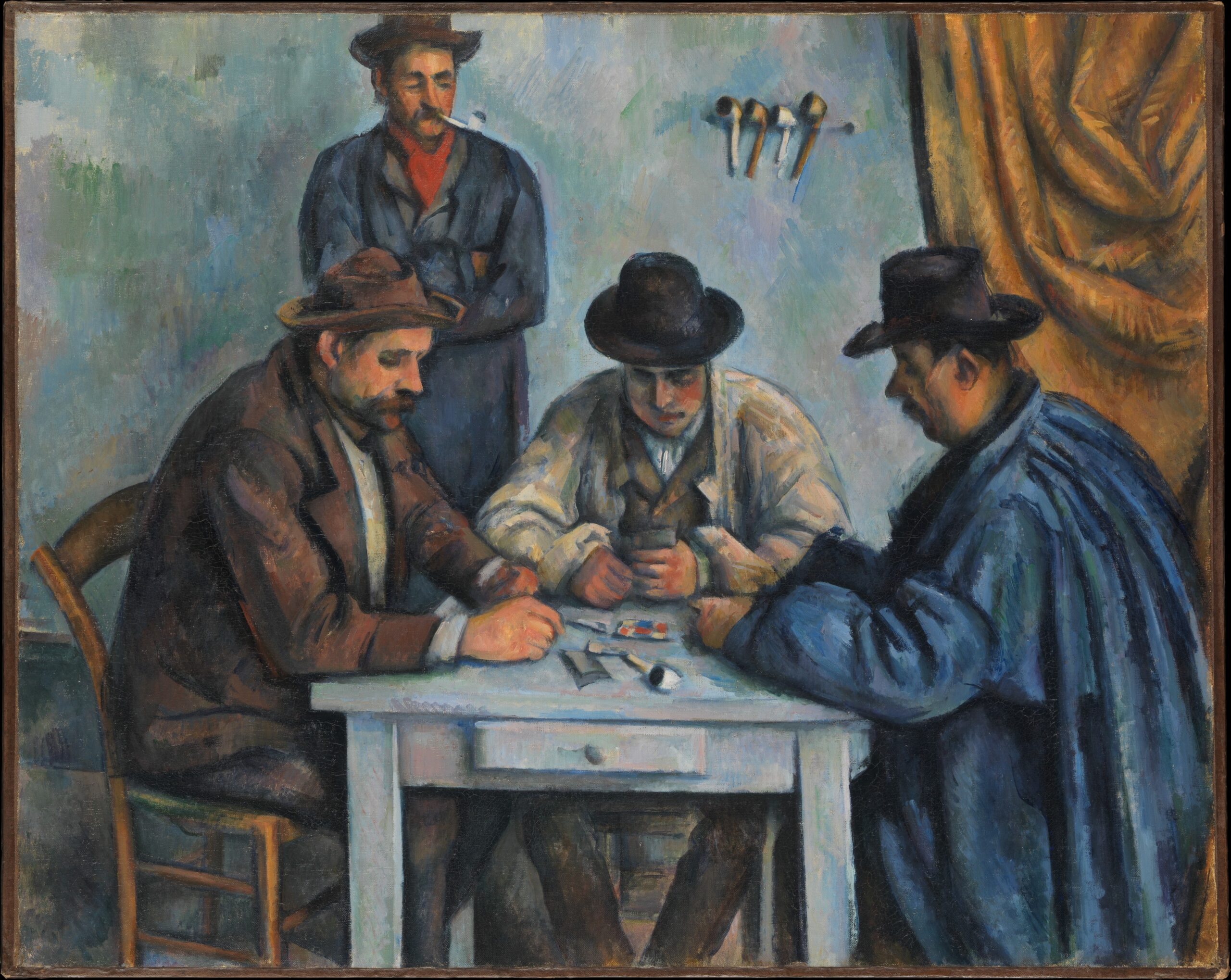
Painter’s Anecdote: Cézanne, The Card Players, and the Studio Where Nothing Moved
How two silent peasants in Cézanne’s studio, bent over a card game where nothing seems to happen, became some of the quietest—and most revolutionary—figures in modern painting.
-
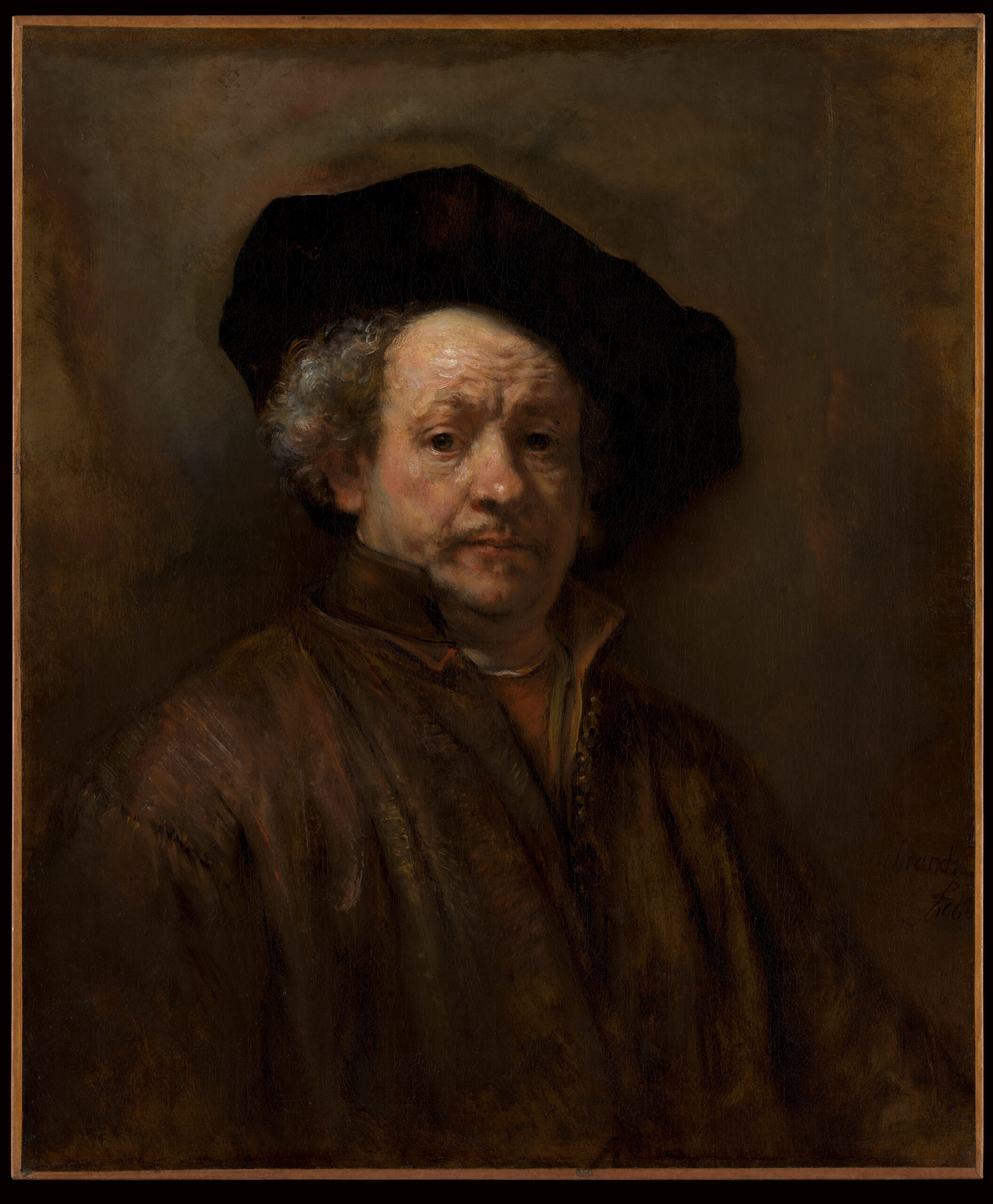
Looking Closer: The Wet Eye in Rembrandt’s Late Self‑Portrait
For this Friday’s Looking Closer, we stand almost nose‑to‑nose with Rembrandt. Not the whole self‑portrait, not the famous hat or coat – just one tiny territory: the left eye and the crumbly paint around it in his late self‑portrait now in the Uffizi’s family of cousins at The Met (1660). Zoom in on that eye.…
-
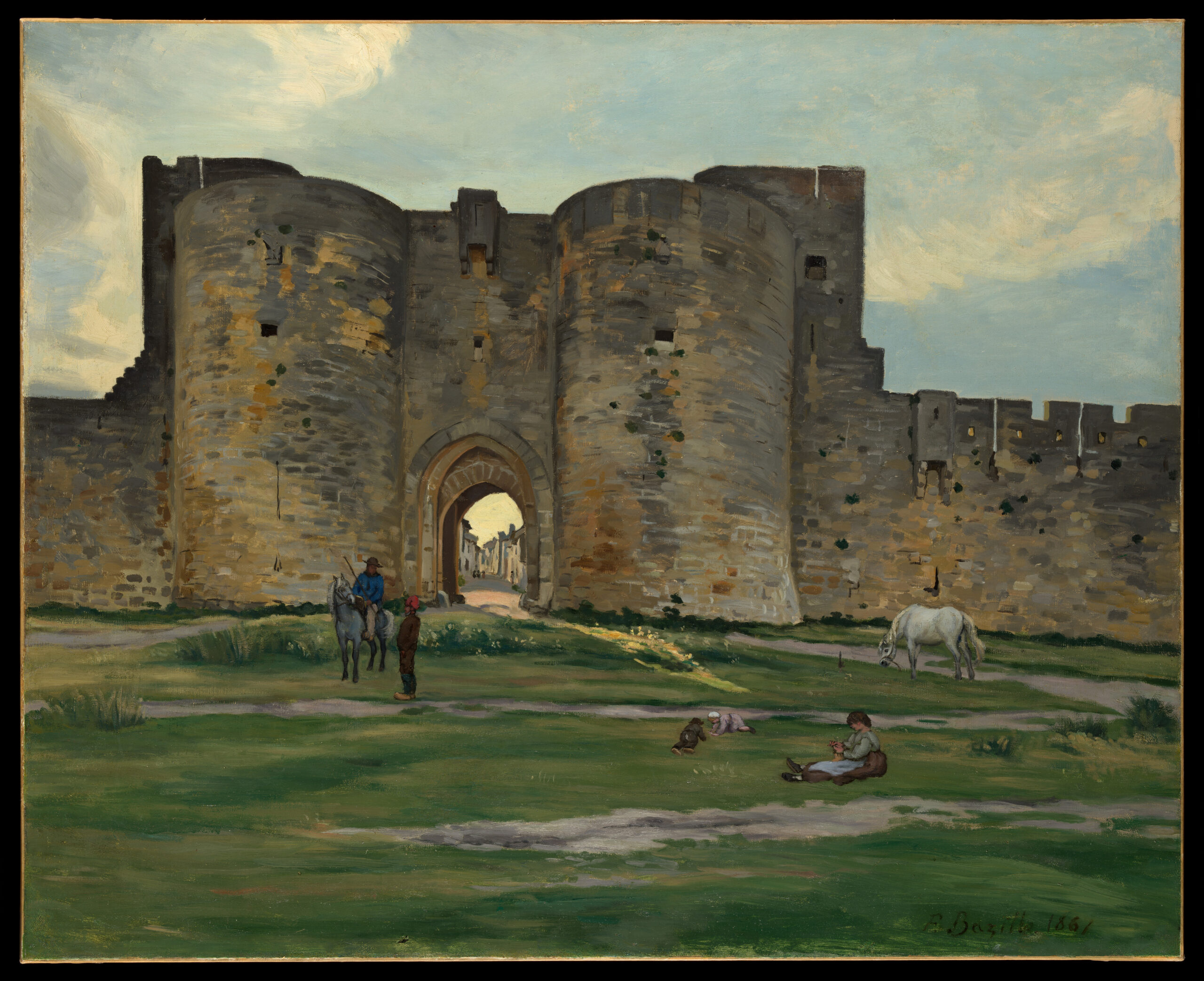
Painter’s Anecdote: Frédéric Bazille, A Shared Studio, and the Dream of the Batignolles
How Frédéric Bazille’s rented studio on the rue de la Condamine became a cramped, smoky cradle for the young Impressionists—and the dream of a new kind of Paris painting.
-
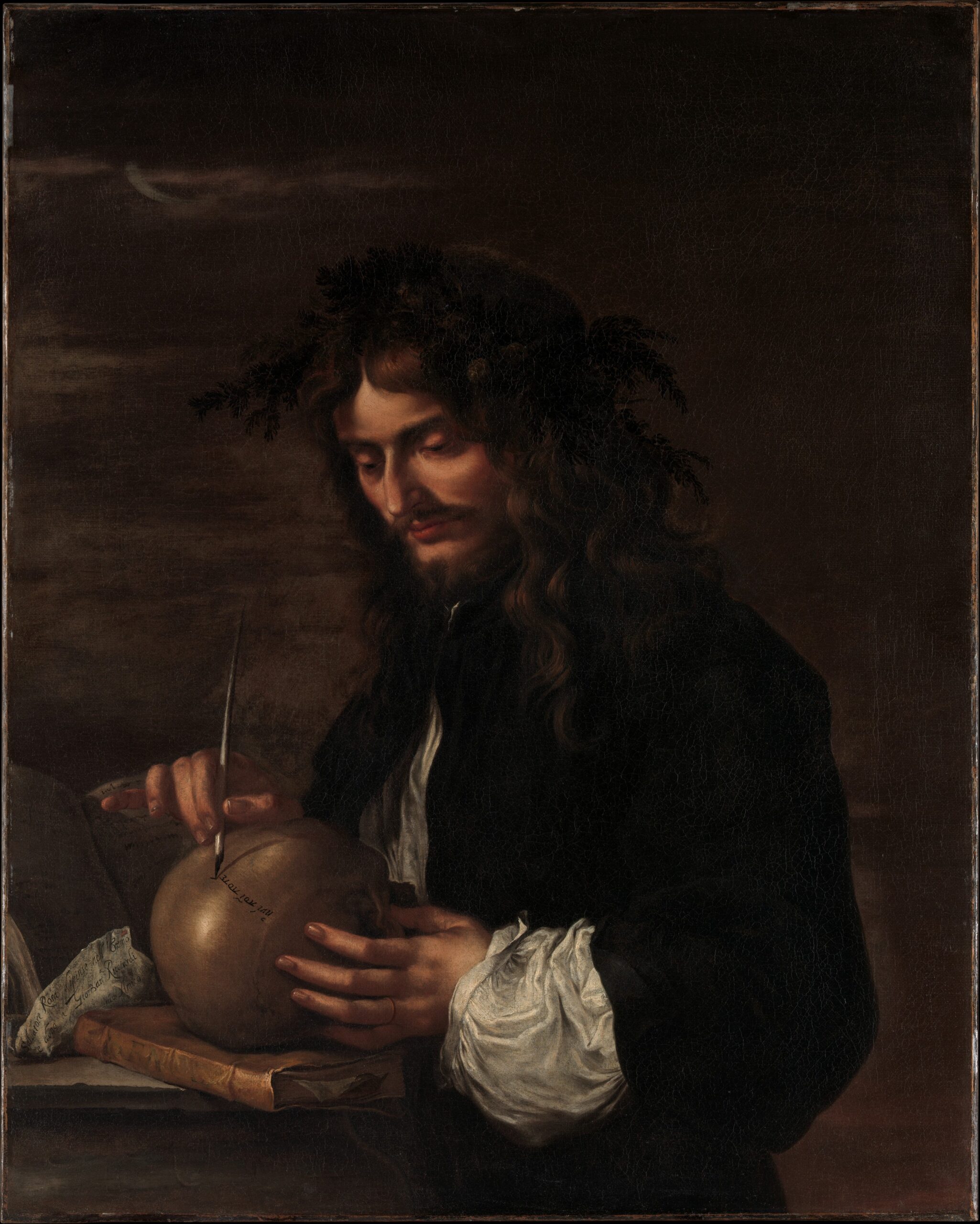
Technique Tuesday: Rembrandt’s Split Self – Costume and Light in the Uffizi Self‑Portraits
How Rembrandt uses costume, brushwork and light in his two Uffizi self‑portraits—mid‑1650s and 1669—to turn his own face into a split lesson in surface and self‑presentation.
-
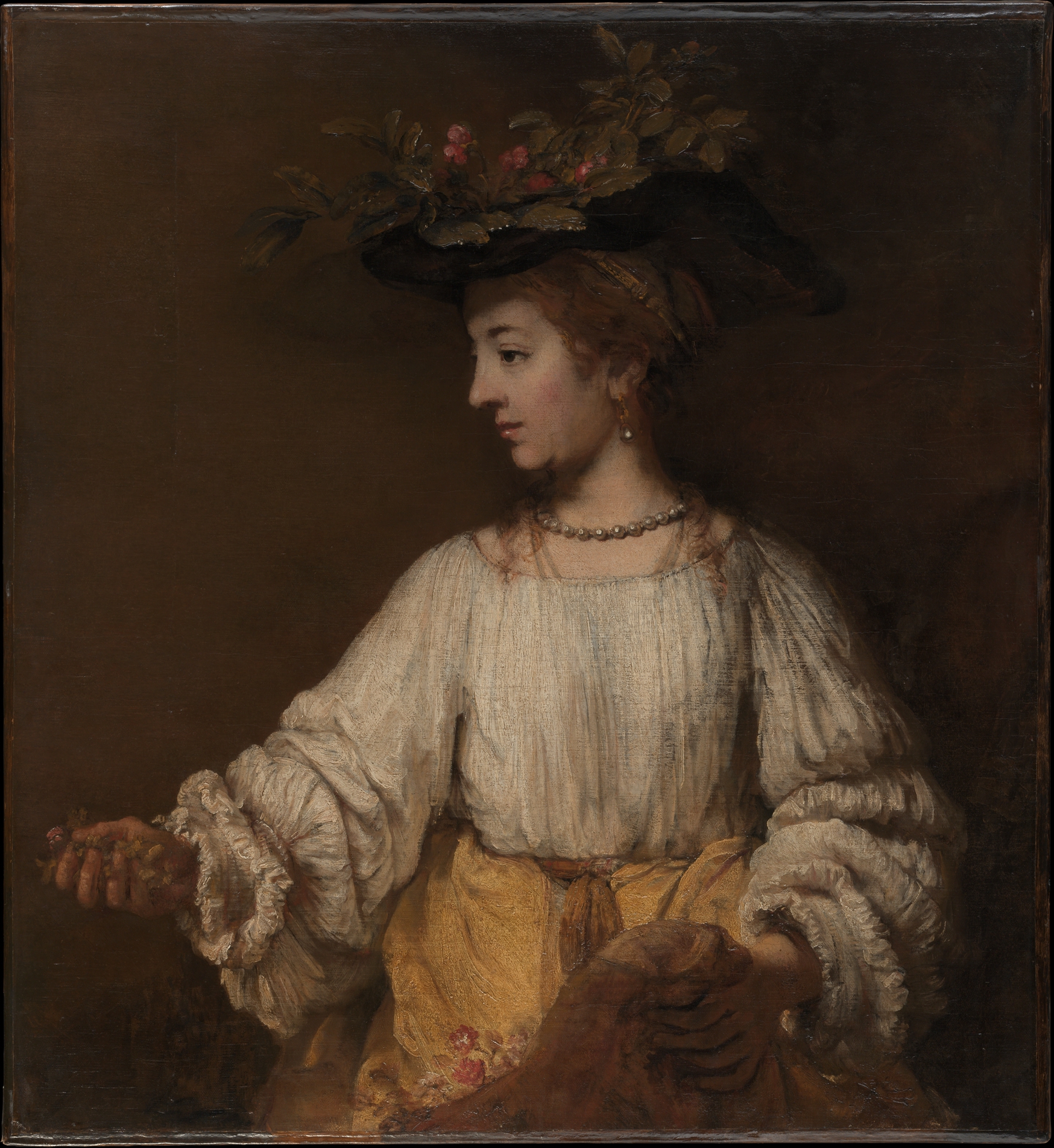
Painter’s Anecdote: Rembrandt, the Uffizi Self‑Portraits, and a Life in Two Faces
How two self‑portraits in Florence’s Uffizi Gallery – one from Rembrandt’s confident mid‑career, one from his bruised final year – quietly recount a whole life’s rise, fall, and stubborn honesty in paint.
-
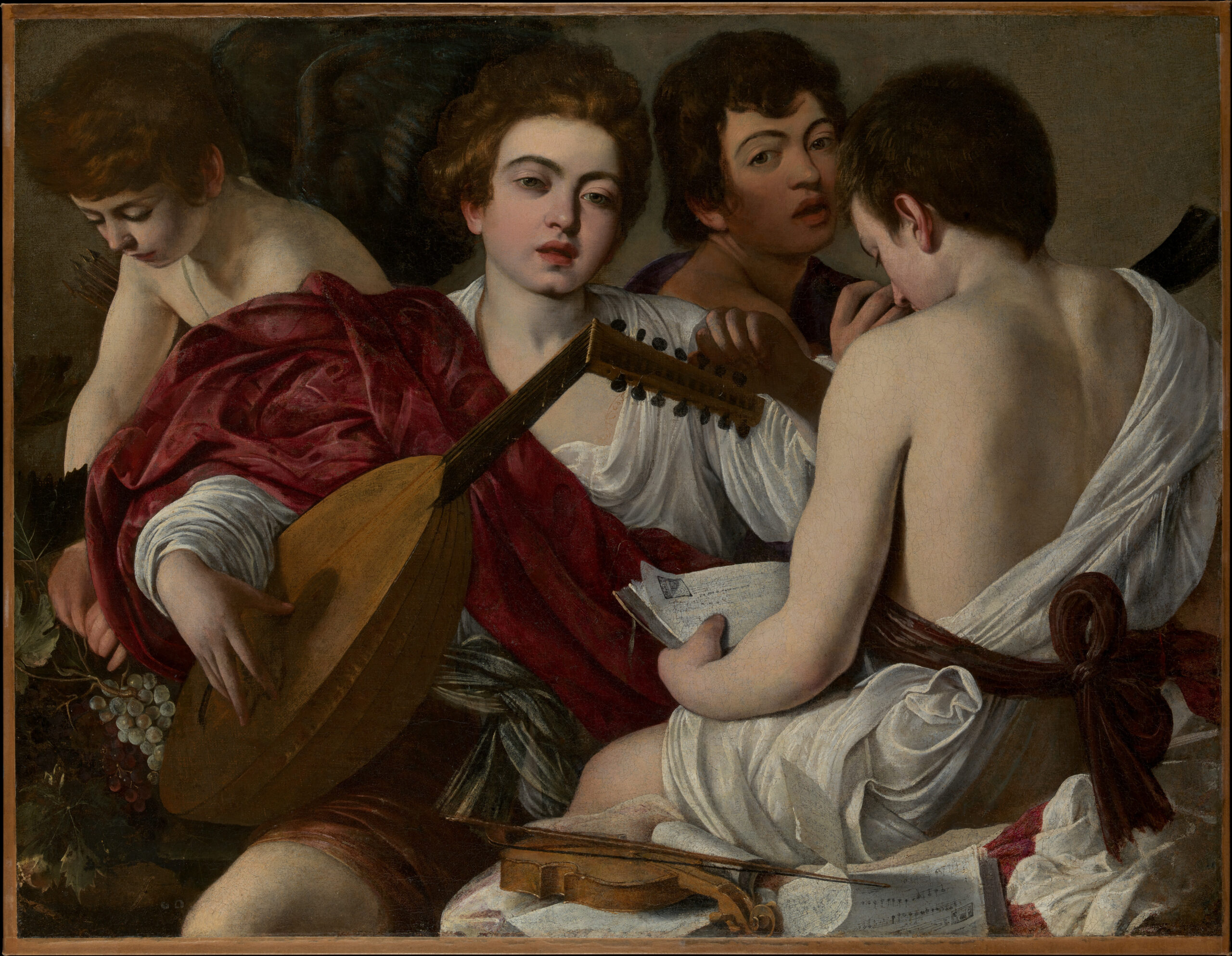
Painter’s Anecdote: Edvard Munch, The Scream, and the Evening Walk That Wouldn’t End
How an evening walk above Oslo, a blood‑red sky, and a feeling that nature itself was screaming led Edvard Munch to paint the most famous cry in modern art.
-
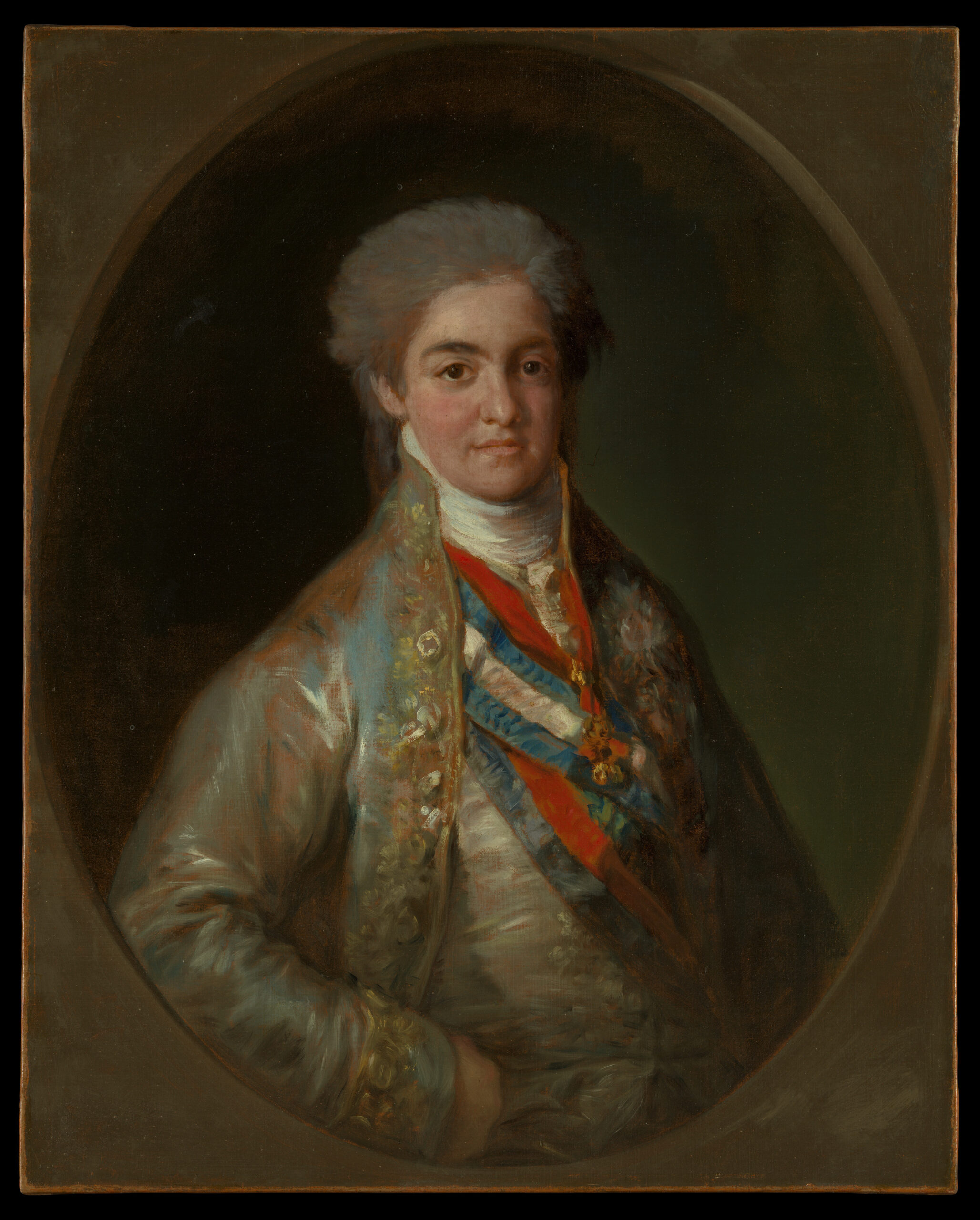
Painter’s Anecdote: Goya, Deafness, and the Whispering Canvas
After illness left Francisco Goya almost completely deaf, his paintings turned inward – sharper, darker, and more psychologically charged, as if he had begun to listen with his eyes.
-
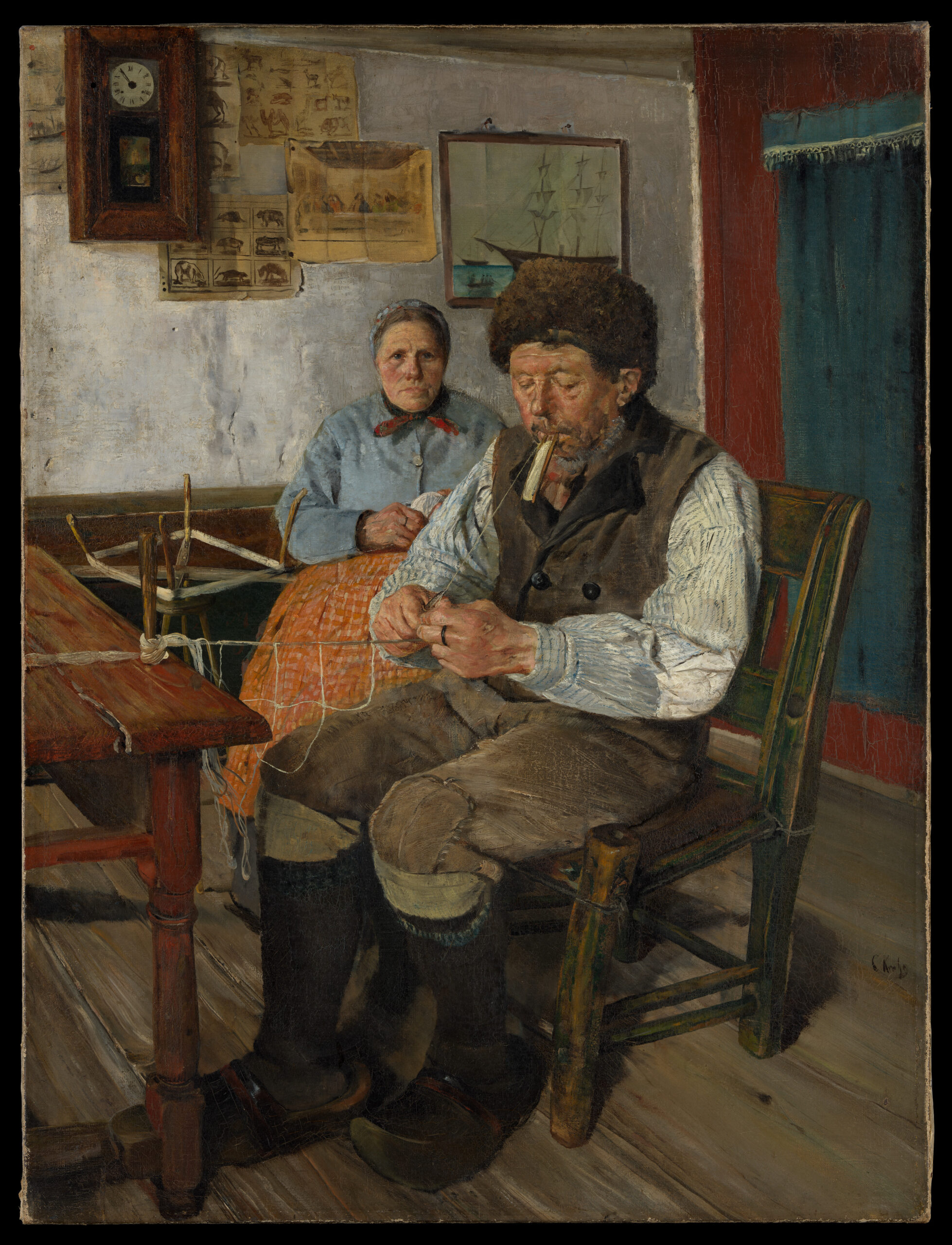
Painter’s Anecdote: Christian Krohg, The Net Mender, and the Quiet Revolt of Work
How a young Norwegian painter watched a woman quietly mending nets on an Oslofjord dock and turned her work-worn hands into a small, stubborn revolution in realism.
-
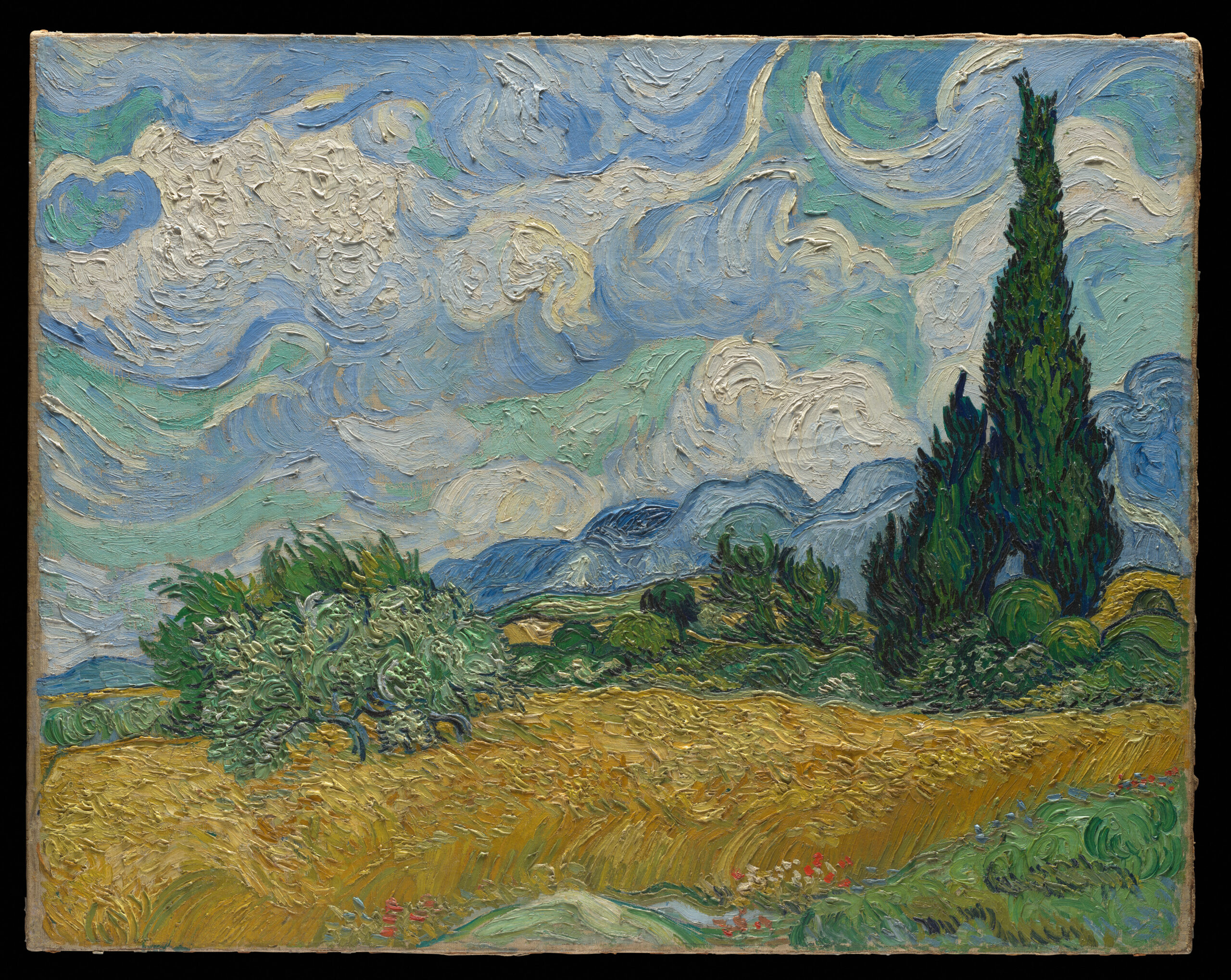
Technique Tuesday: Van Gogh’s Brush Rhythm – Impasto in “Wheat Field with Cypresses”
Some paintings hum under your skin before you’ve read a single label. Vincent van Gogh’s Wheat Field with Cypresses (1889, The Metropolitan Museum of Art) is one of them: sky curling like whipped light, wheat shivering in thick strokes, dark cypresses pinned against it all like exclamation marks. Today’s Technique Tuesday is about the engine…