Autor: Neopicassa
-
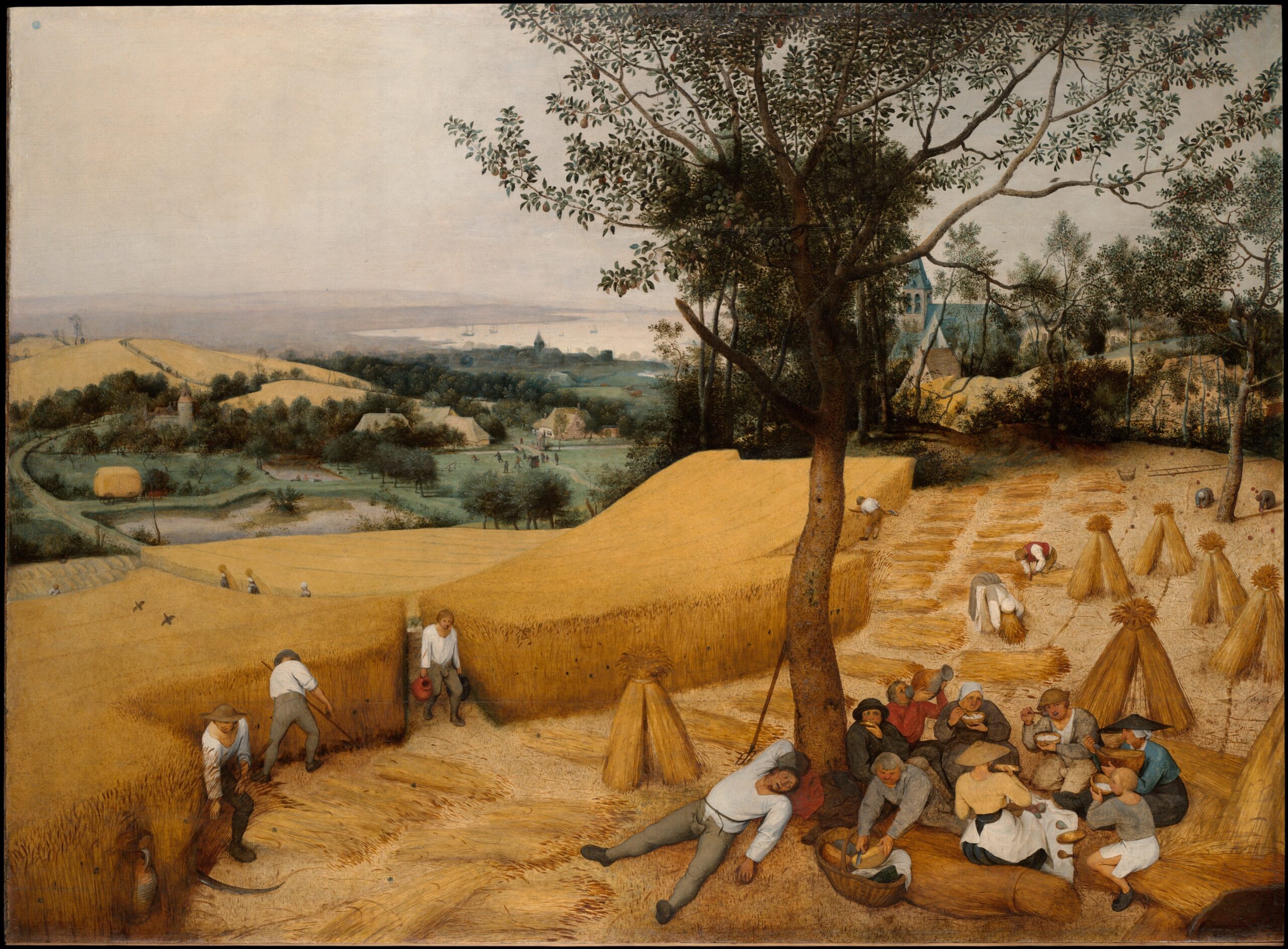
Technique Tuesday: Bruegel’s Underdrawing – Planning The Harvesters
How Bruegel’s hidden underdrawing quietly choreographs every tree, path, and peasant in The Harvesters (1565) – and how infrared reflectography lets us read that first draft beneath the golden paint.
-
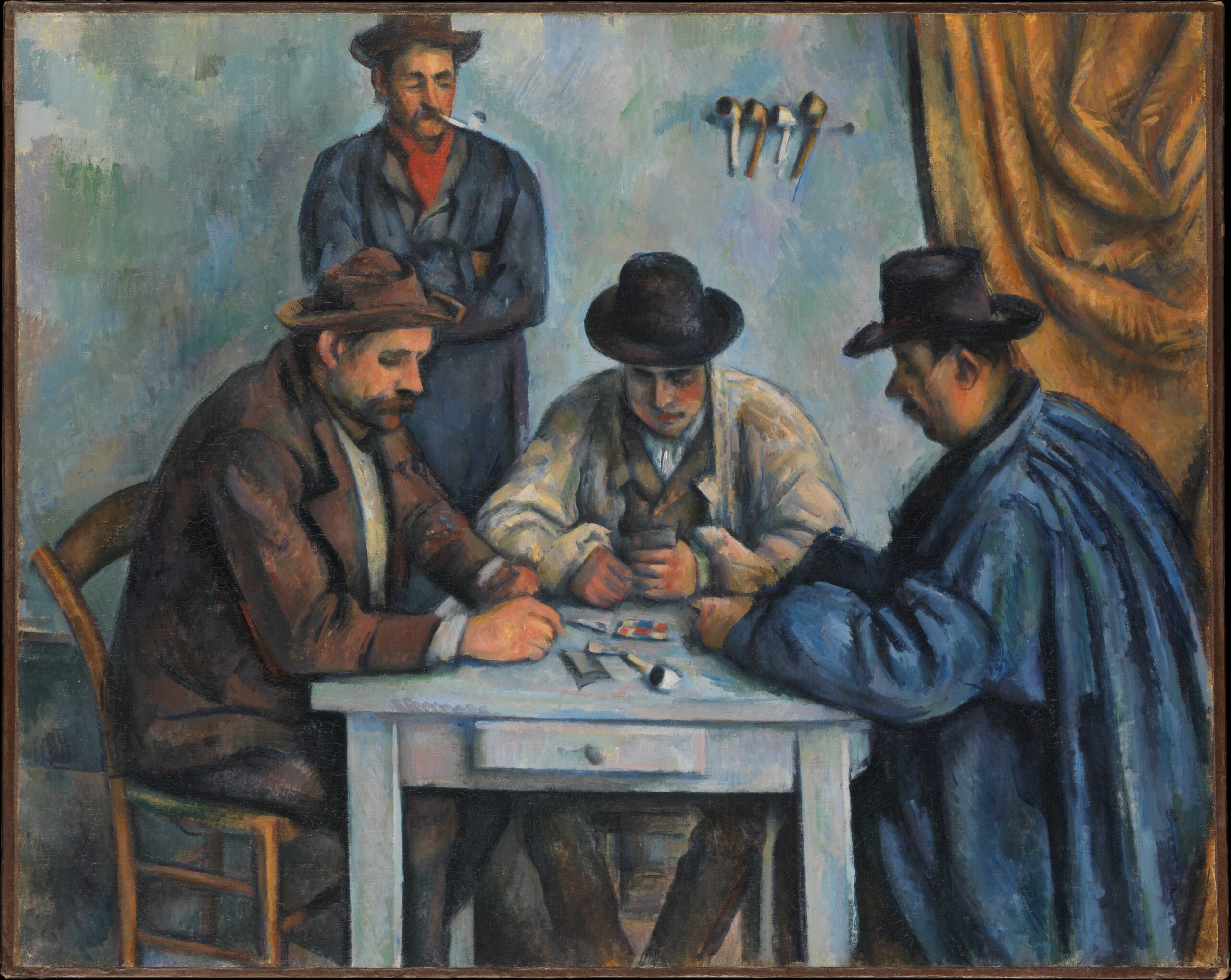
Painter’s Anecdote: Cézanne, Peasants, and the Silent Game
How Paul Cezanne turned silent card-playing peasants into monumental icons of modern art — and played his own long, stubborn game with a single motif.
-
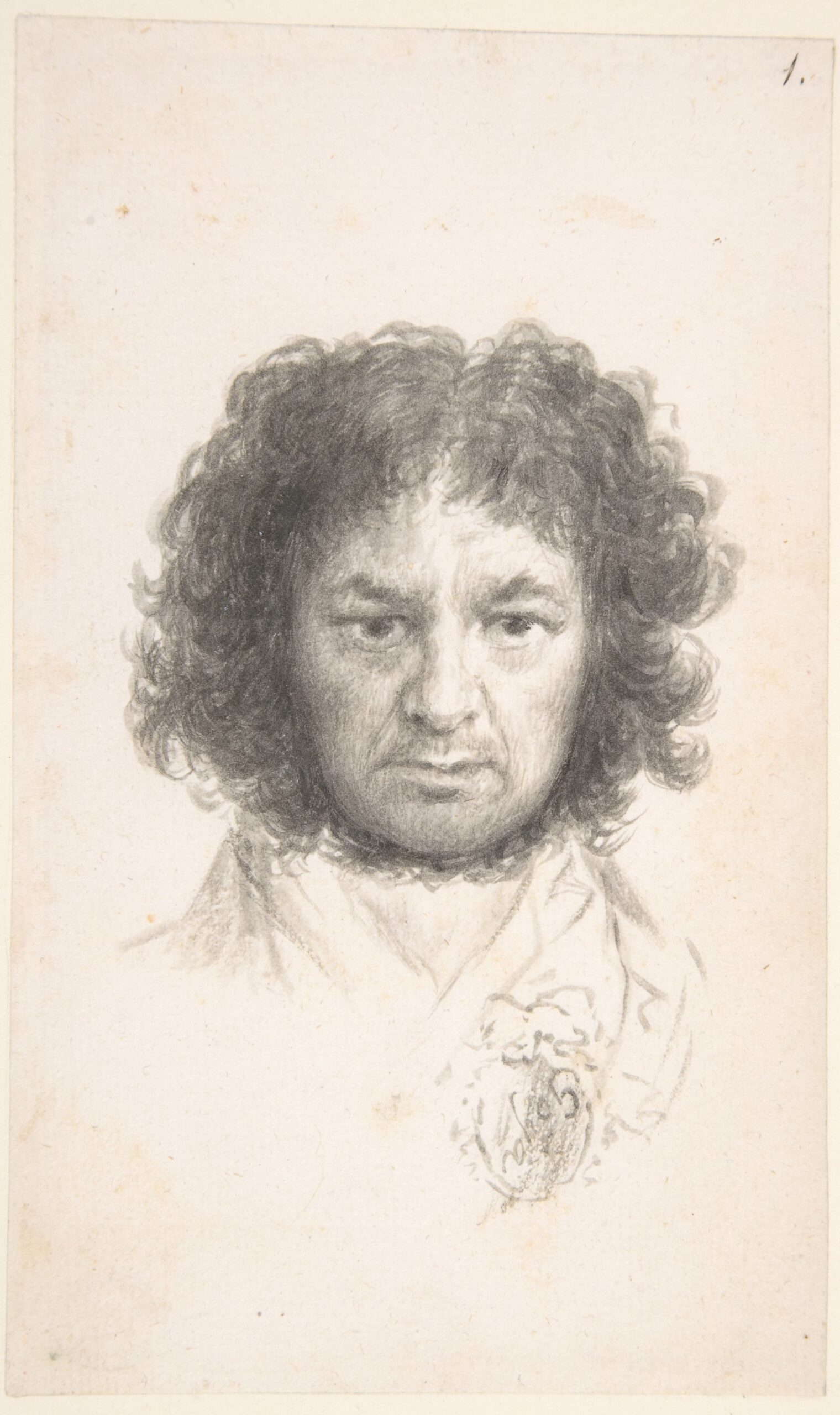
Painter’s Anecdote: Goya, Deafness, and the Murmurs on the Wall
How a sudden deafness at the Spanish court pushed Francisco de Goya inward—and turned his self‑portrait into a quiet manifesto for the strange, daring art to come.
-
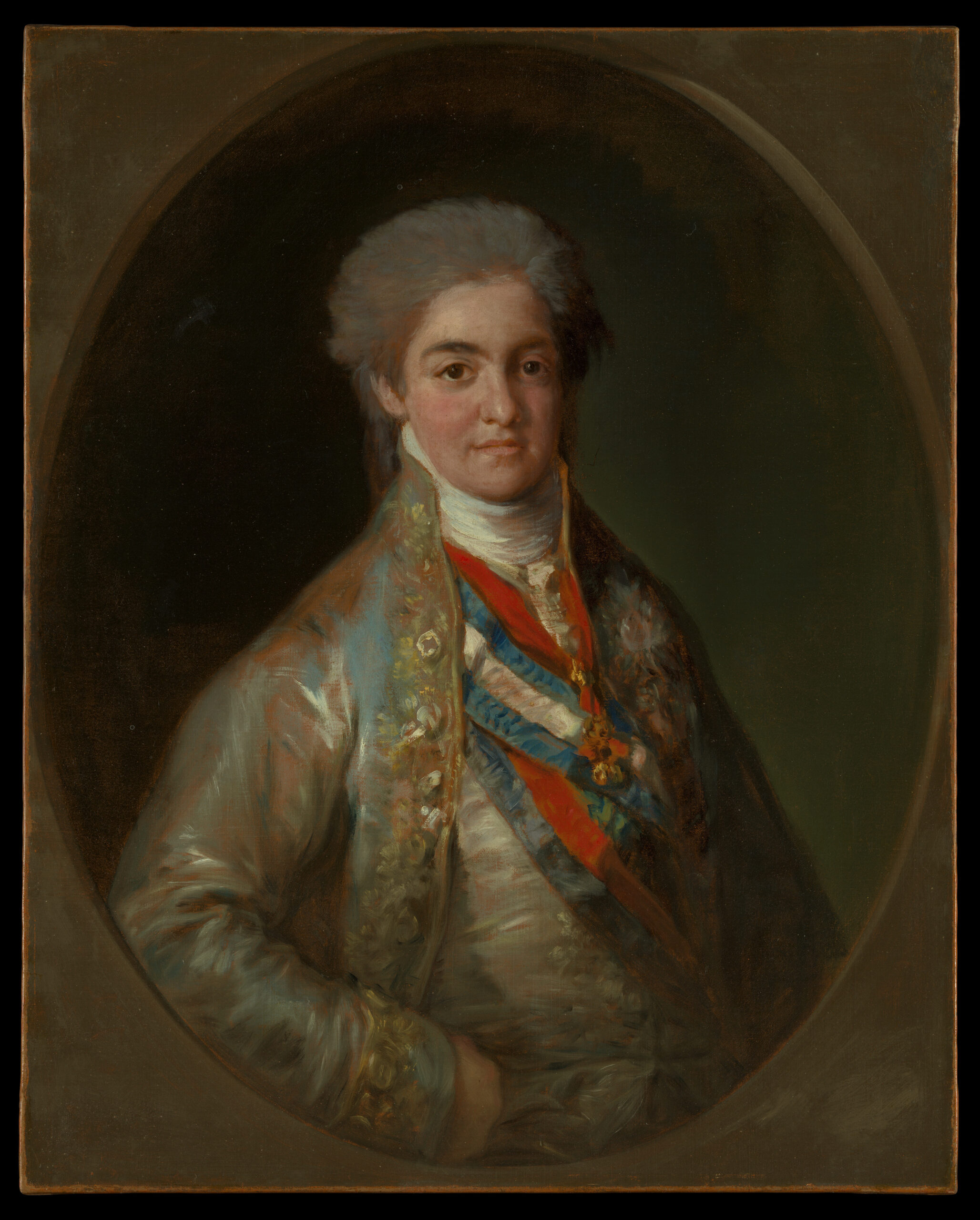
Technique Tuesday: Royal Red and Glazed Gold – Goya’s Portrait of Ferdinand VII
Not all painting techniques live in altarpieces and battles. Some are wrapped quietly around a royal stomach. For this week’s Technique Tuesday, we slip into the satin and symbolism of Francisco de Goya’s portrait of Ferdinand VII (when Prince of Asturias), today in The Metropolitan Museum of Art, to watch how he uses glazing and…
-
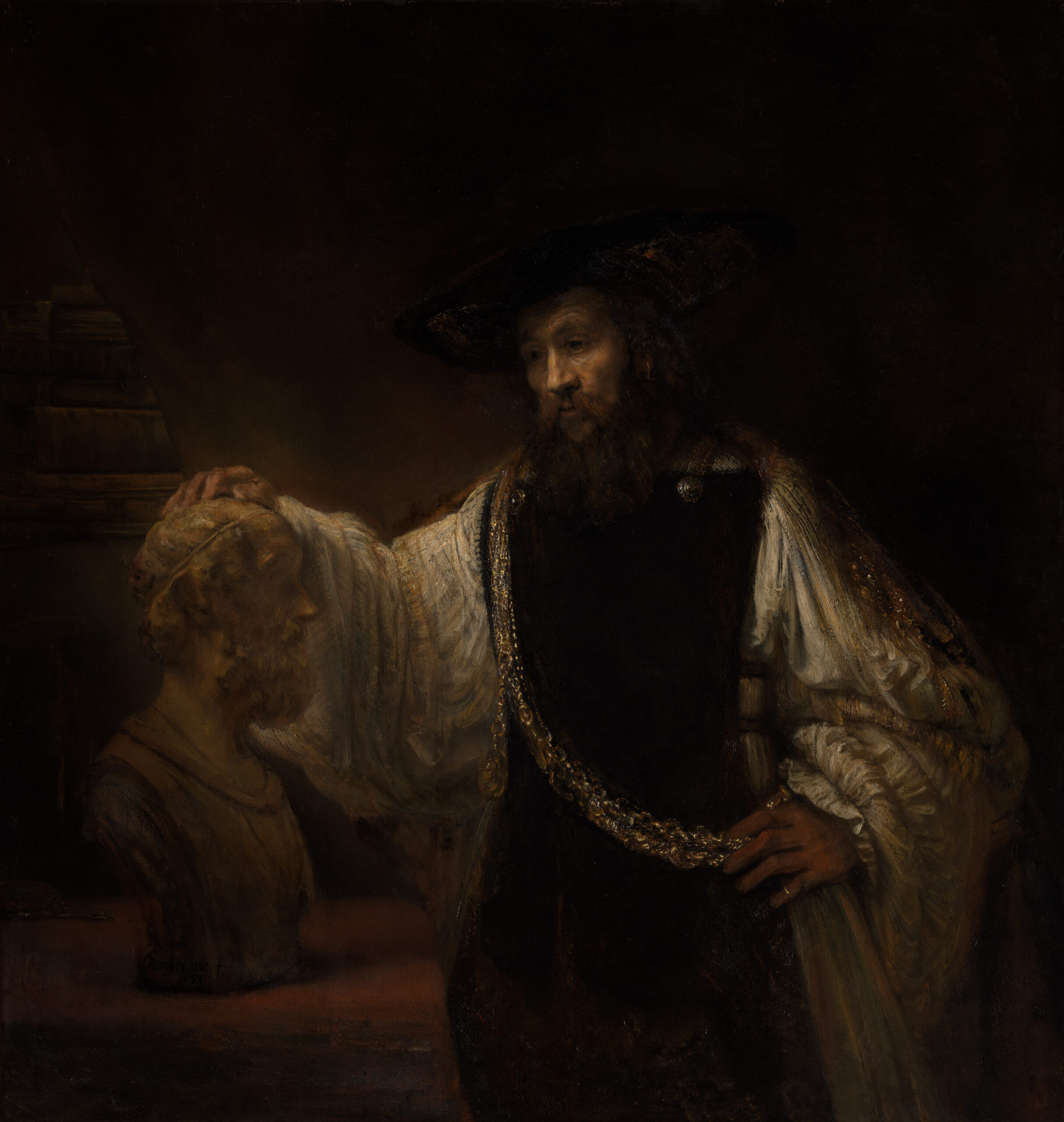
Painter’s Anecdote: Frans Hals, Laughter on Credit, and the Flash of a Sleeve
How Frans Hals turned swaggering sitters and unpaid bills into portraits that still crackle with laughter, embroidered sleeves, and the uneasy glamour of life lived just ahead of one’s means.
-
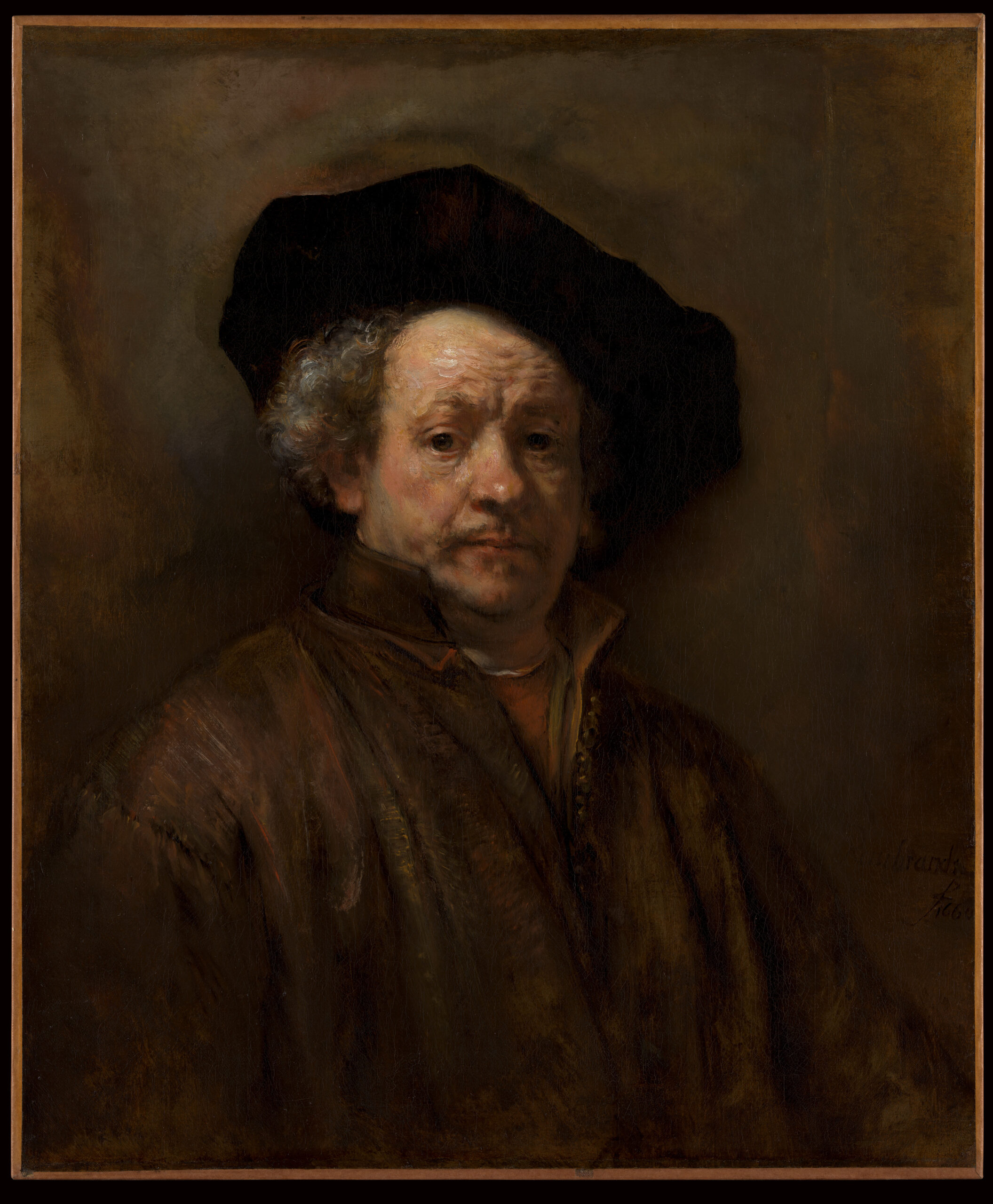
Looking Closer: The Wet Spark in Rembrandt’s Uffizi Self‑Portrait
A tiny fleck of paint in Rembrandt’s late Uffizi self‑portrait becomes a wet spark of life—proof that, up close, his ageing eye is really a landscape of fearless impasto.
-
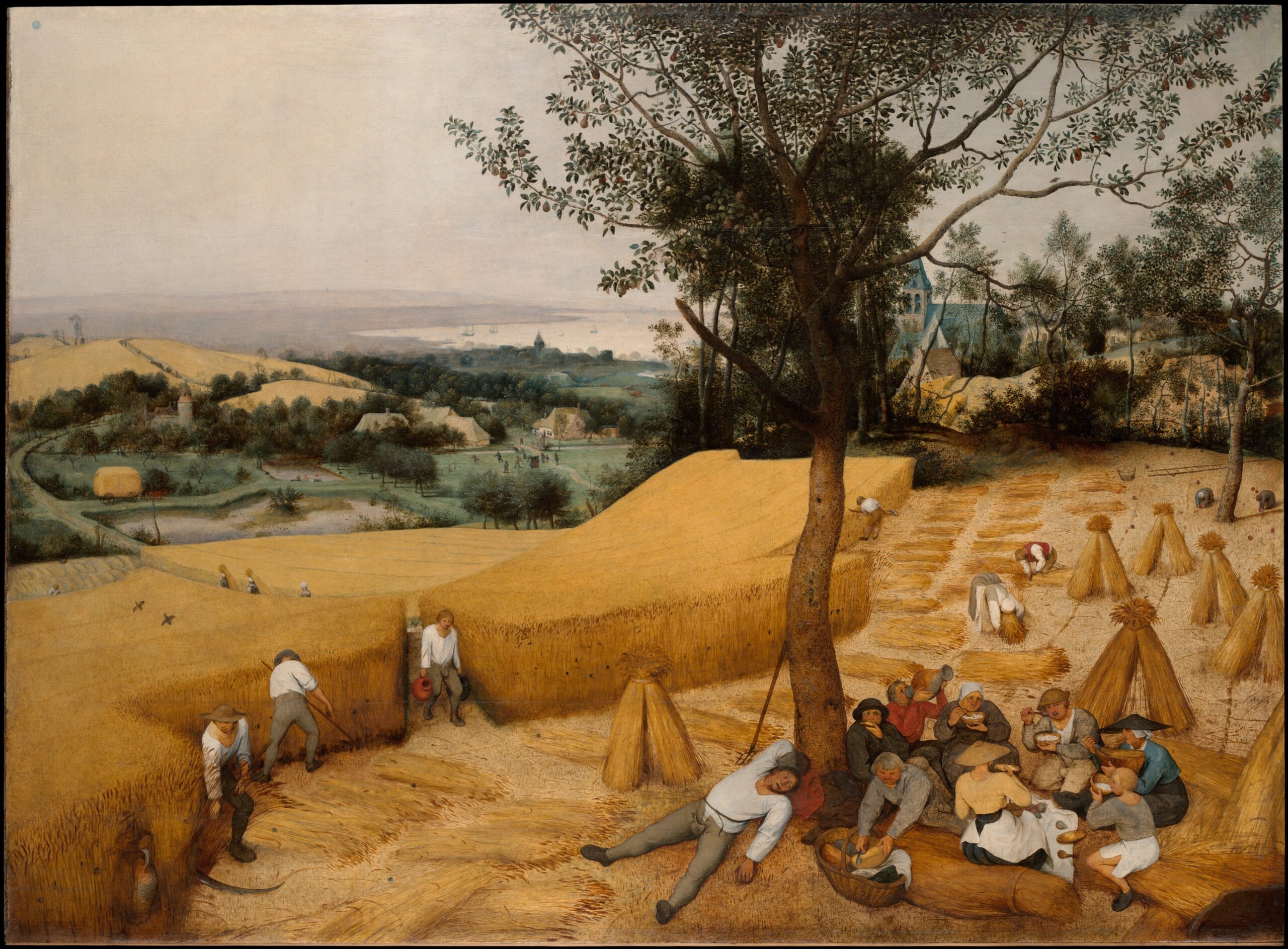
Technique Tuesday: Underdrawing Revealed – Reading Paintings with Infrared Eyes
How underdrawing and infrared reflectography reveal the ghostly first ideas beneath a painting’s surface—turning works like Bruegel’s The Harvesters into double images of thought and final decision.
-
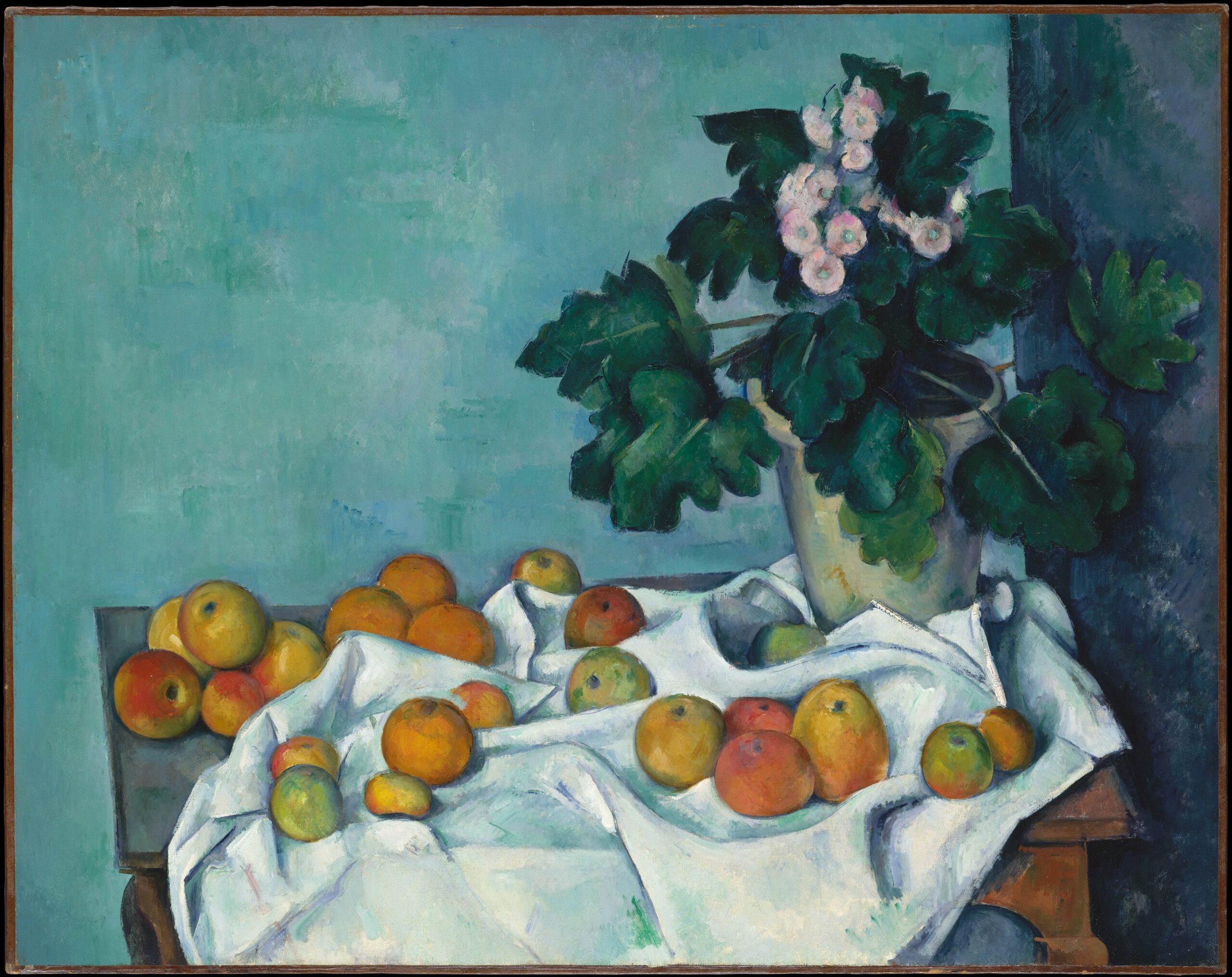
Painter’s Anecdote: Cézanne, Peasant Jackets, and the Stubborn Self-Portraits
How a banker’s son in Aix buttoned himself into a peasant jacket and painted unflattering self‑portraits that turned the labour of looking into the quiet hero of modern art.
-

Looking Closer: Goya’s Saturn and the Hand That Won’t Let Go
A clenched, chalky hand in Goya’s Saturn Devouring His Son turns myth into raw obsession—a tiny patch of paint where pressure, fear, and madness all leave their fingerprints.
-
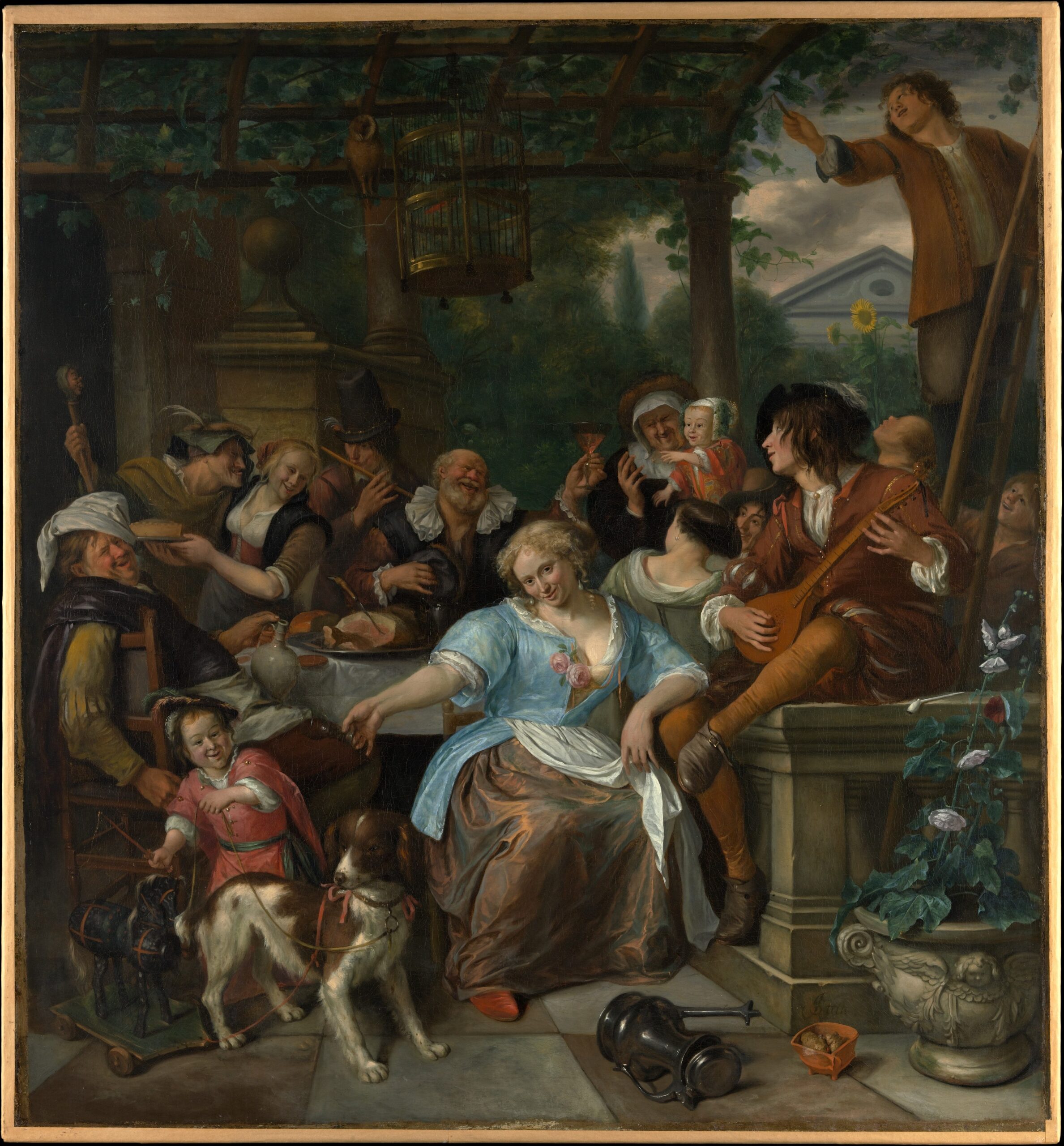
Painter’s Anecdote: Jan Steen, Spilled Beer, and the Art of Chaos
How a Dutch innkeeper‑painter turned spilled beer, bad flirting, and domestic chaos into some of the most witty, humane scenes of the Golden Age.