
Autor: Neopicassa
-
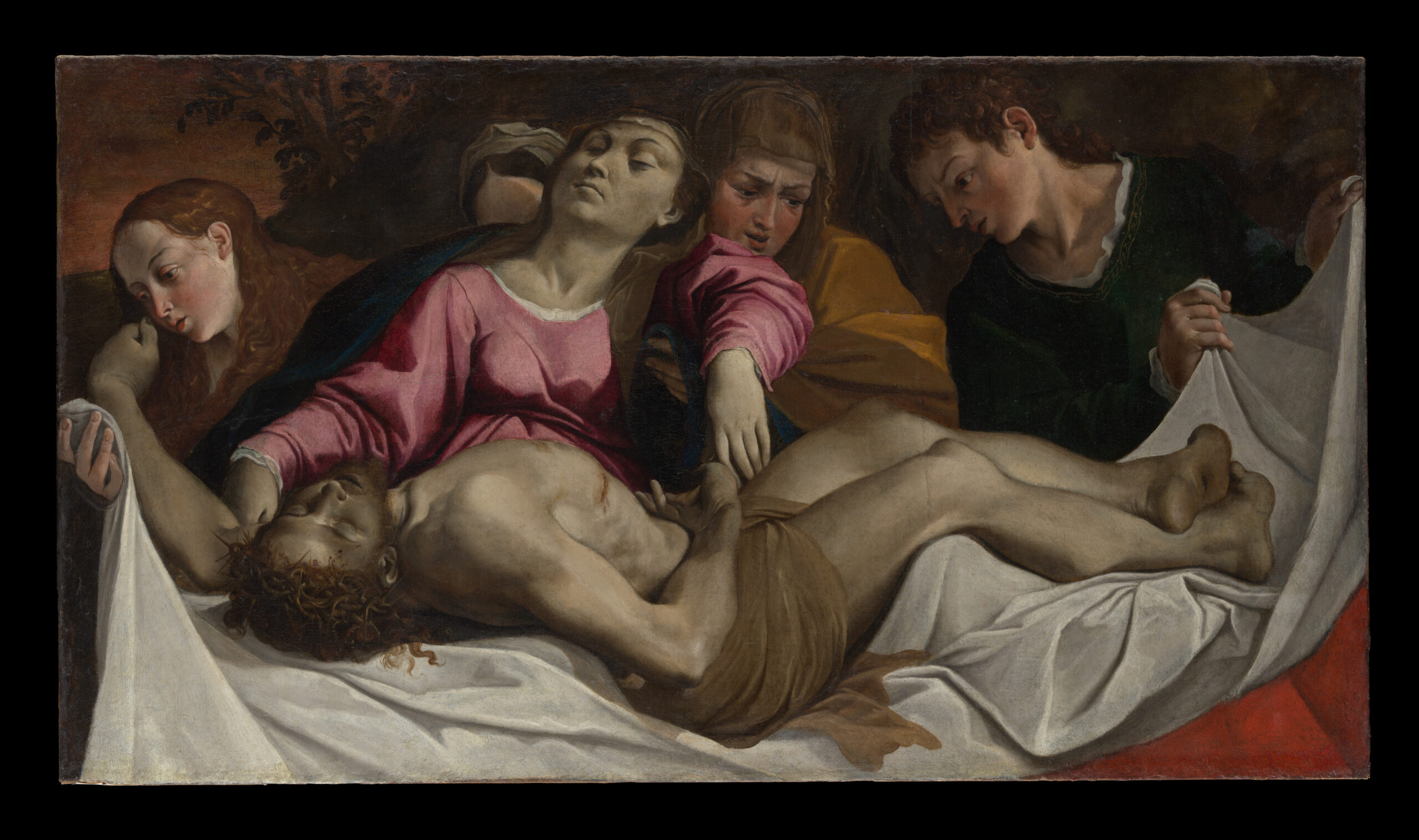
Technique Tuesday: Foreshortening Revisited – Carracci’s Body on the Stone Slab
For this week’s Technique Tuesday, we return to the quiet dare behind one of painting’s boldest spatial tricks: foreshortening. And we let it play out on a single, unforgettable body: Christ lying on the stone slab in The Lamentation (ca. 1582) by Ludovico Carracci, today in The Metropolitan Museum of Art. What foreshortening really does…
-
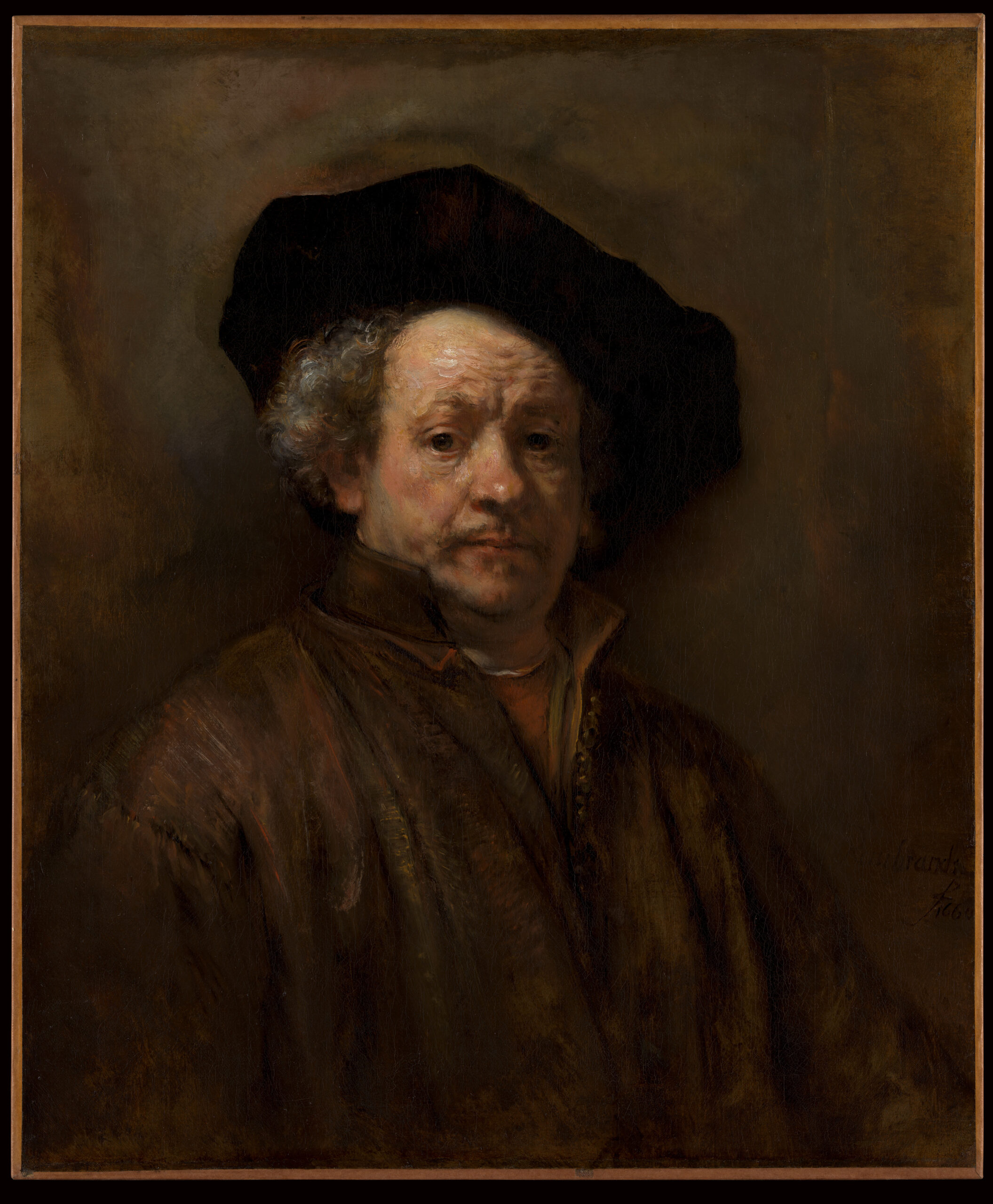
Looking Closer: The Wet Spark in Rembrandt’s Uffizi Self‑Portrait
A tiny fleck of paint in Rembrandt’s late Uffizi self‑portrait becomes a wet spark of life—proof that, up close, his ageing eye is really a landscape of fearless impasto.
-
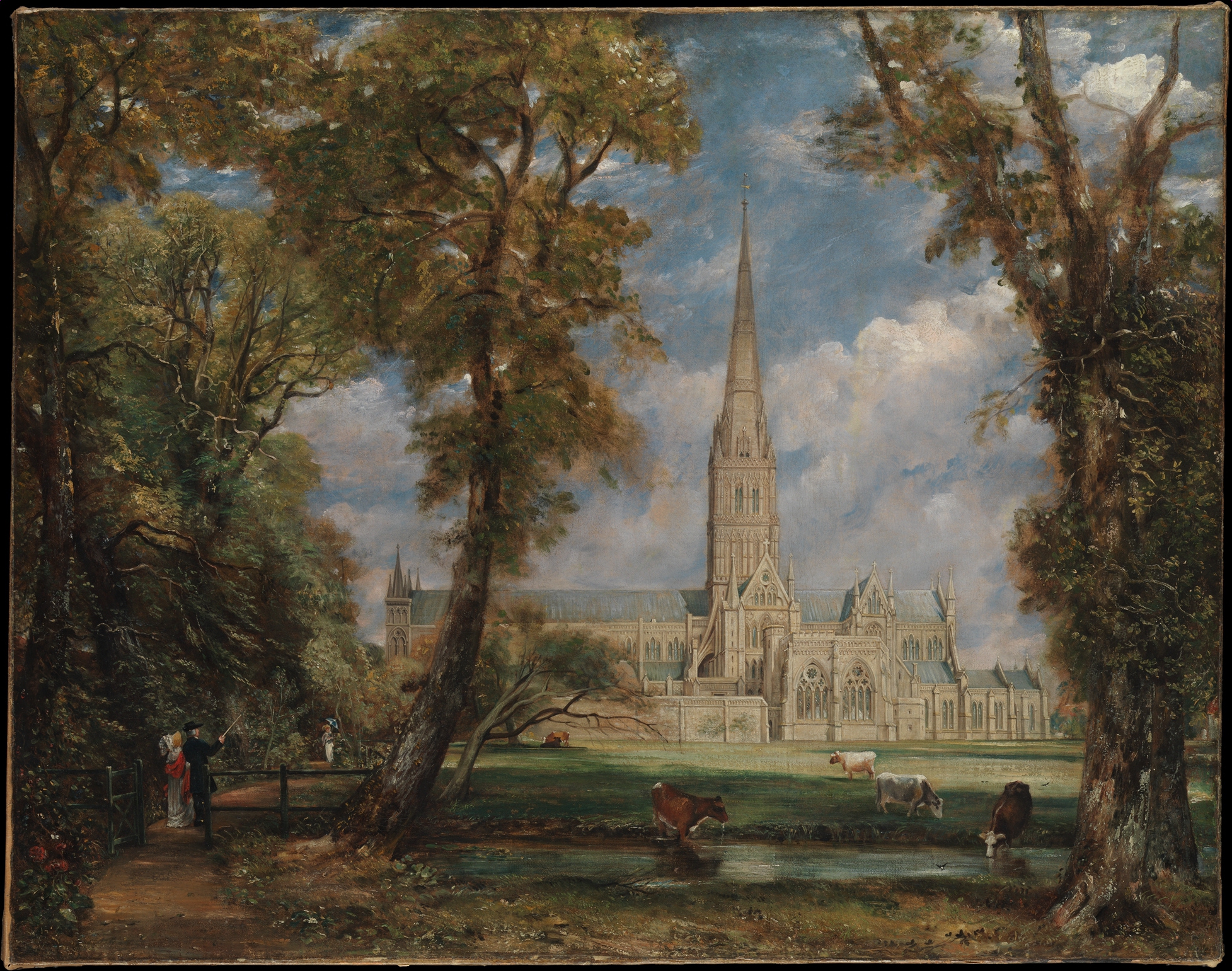
Technique Tuesday: Constable’s Skies – Painting Weather with Broken Edges
How John Constable turns English weather into painting by breaking the edges of his clouds—soft, frayed transitions between light and sky that make you feel the air moving.
-
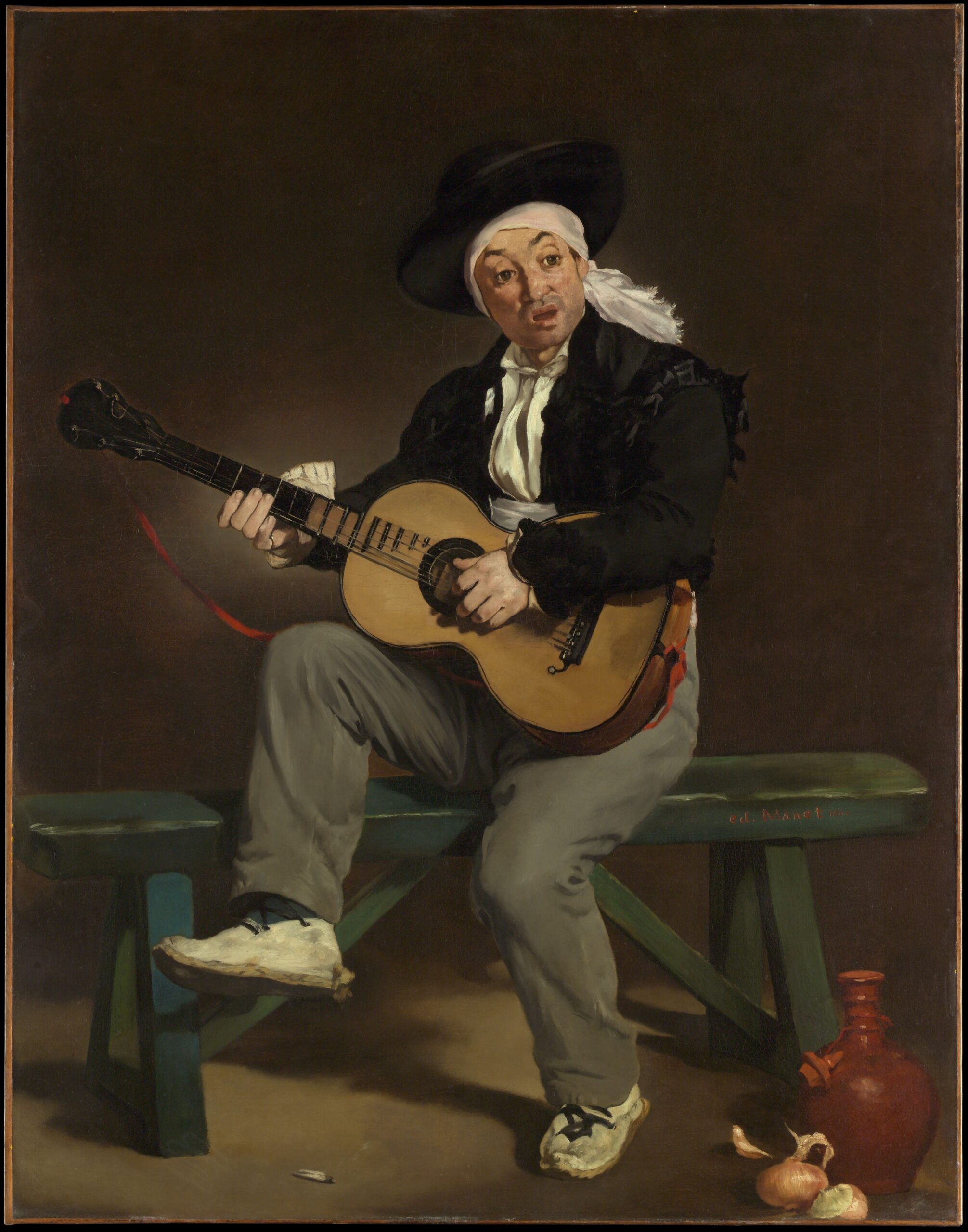
Painter’s Anecdote: Manet, A Spanish Song, and the Birth of Modern Paris
How a theatrical guitarist in Manet’s studio became an early signal that Paris painting was about to trade smooth polish for bold, modern presence.
-
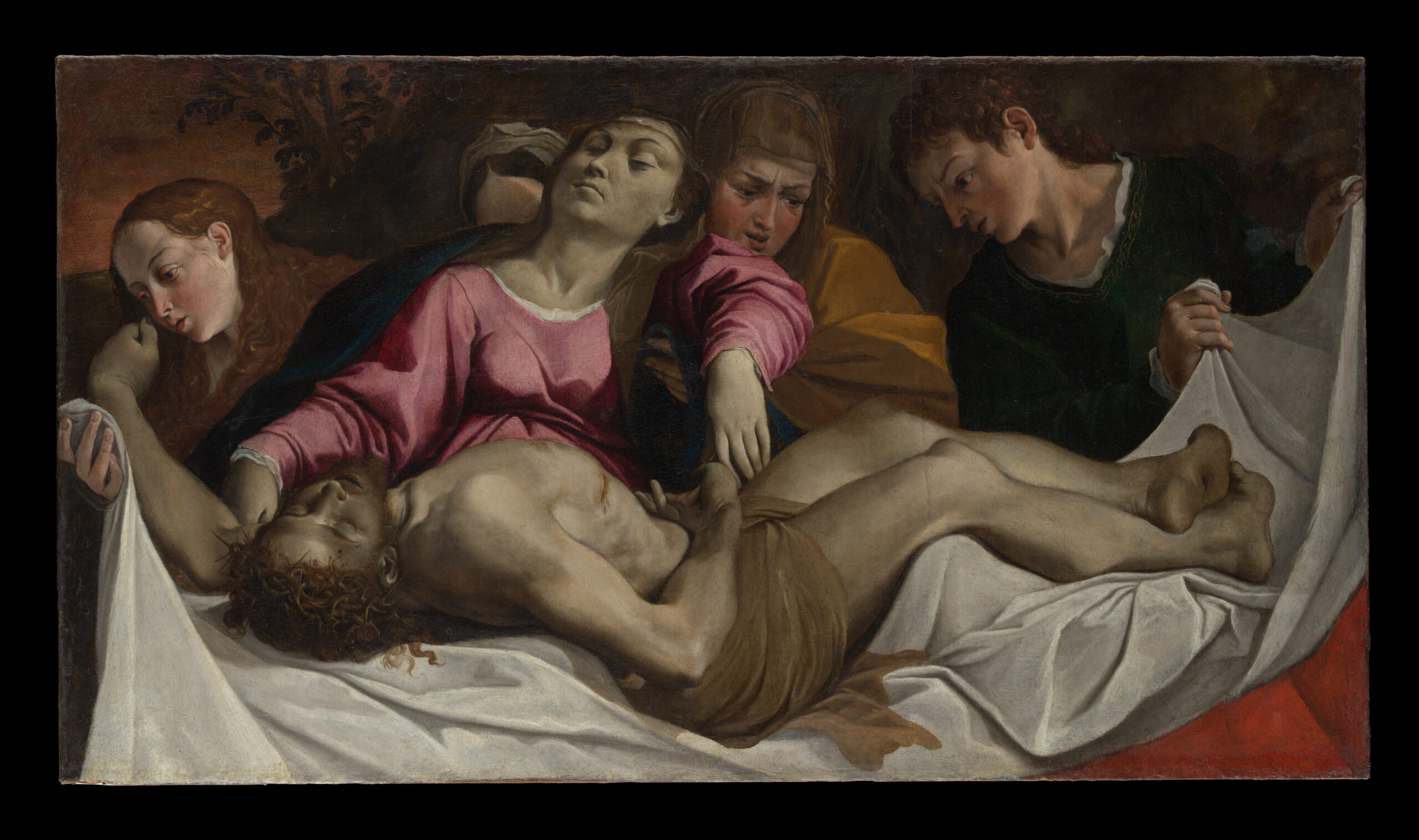
Looking Closer: The Foreshortened Body in Ludovico Carracci’s Lamentation
For this Friday’s Looking Closer, we stay with the same painting I used to explain foreshortening in Technique Tuesday—but this time, we surrender to a single, vertiginous detail: the foreshortened body of Christ in Ludovico Carracci’s The Lamentation (ca. 1582, The Metropolitan Museum of Art). Forget the entire scene for a moment. Let your eye…
-
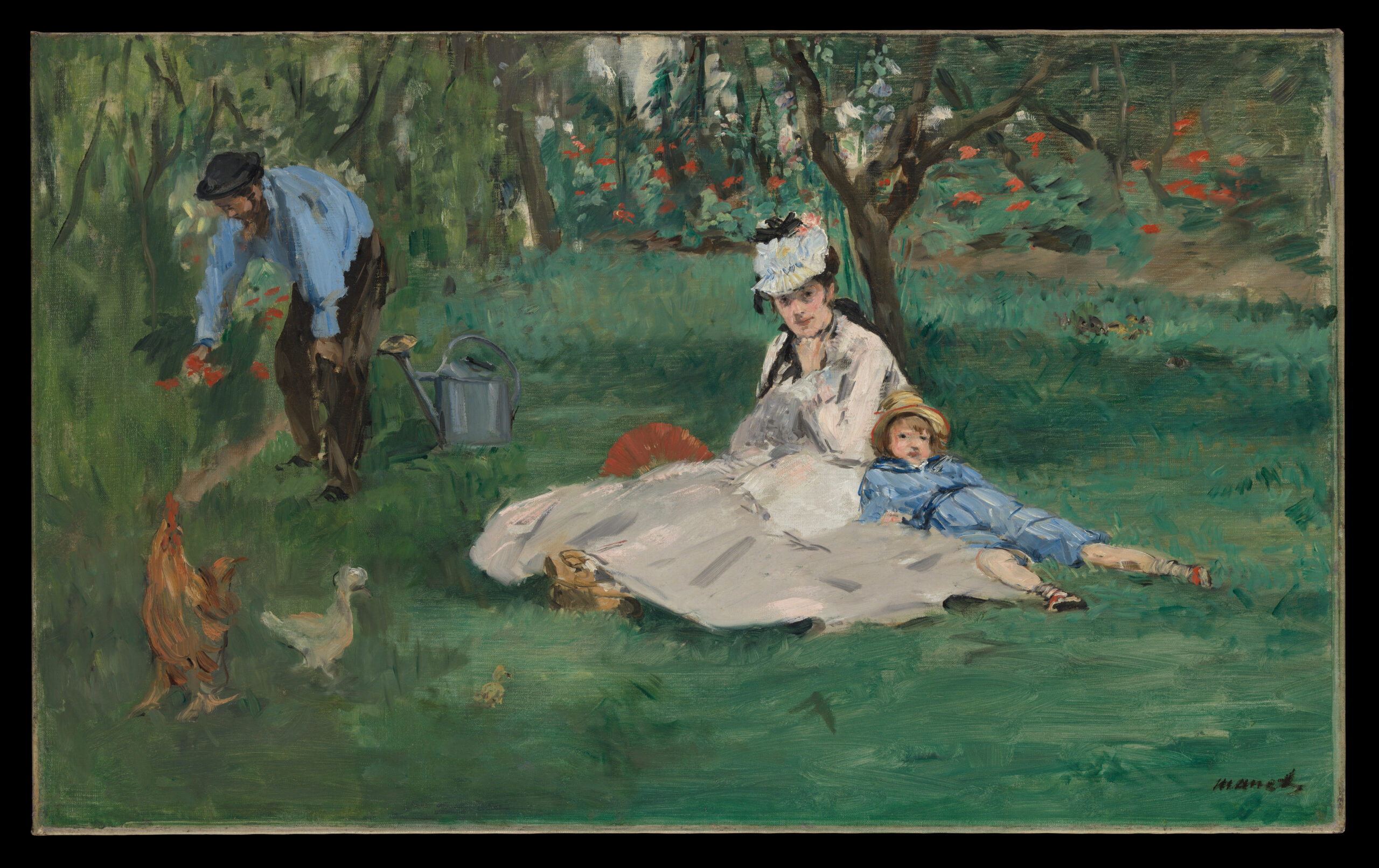
Technique Tuesday: Monet’s Broken Colour – Painting Light in “Water Lilies”
How Monet’s broken colour turns scattered strokes of paint into shimmering light on water in his Water Lilies series—teaching your eye to mix colour on the canvas.
-
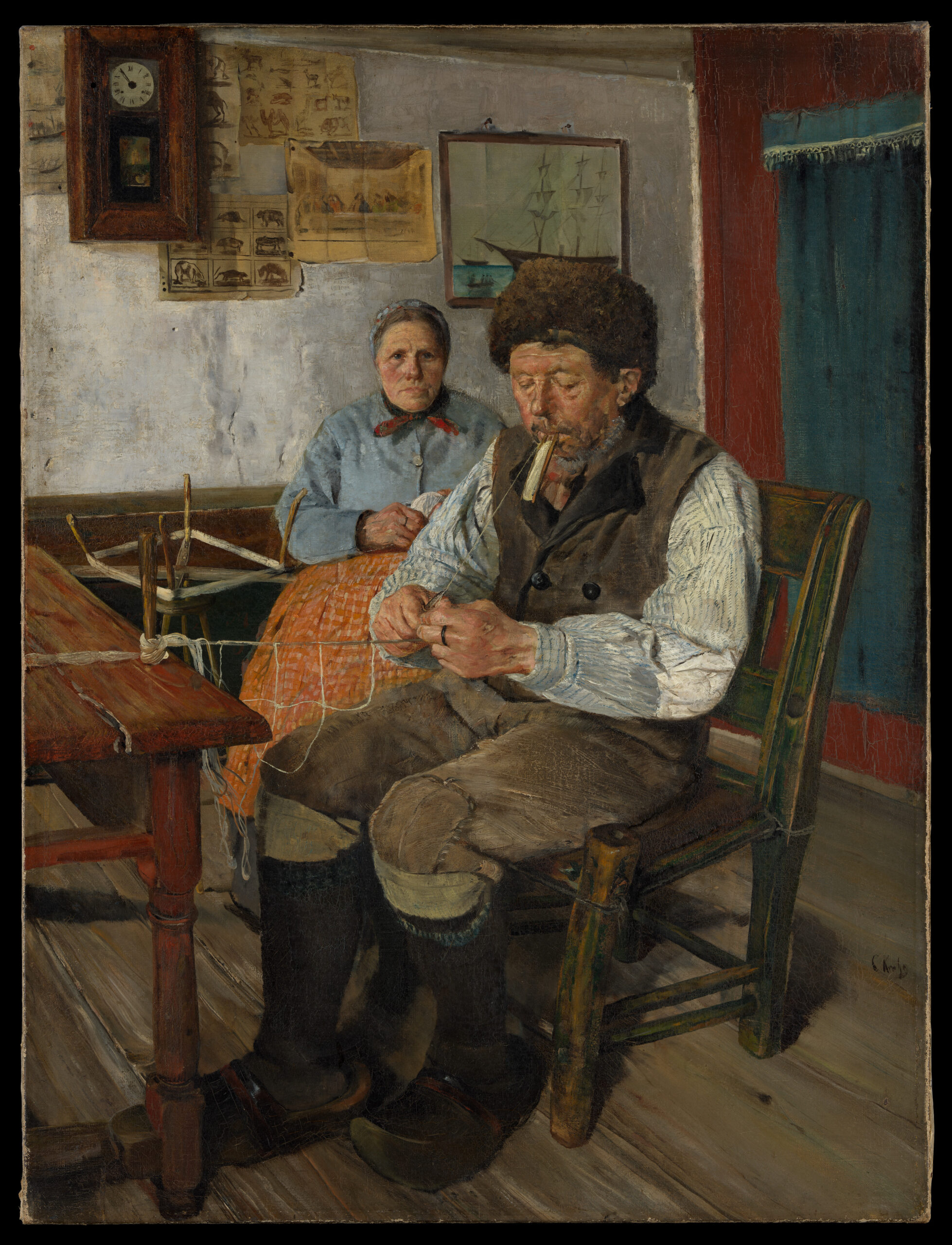
Painter’s Anecdote: Christian Krohg, Dockside Realism, and the Woman with the Nets
How a Norwegian realist, standing on a chilly dock in 1879, turned a working woman quietly mending fishing nets into a small, radical monument to everyday dignity.
-
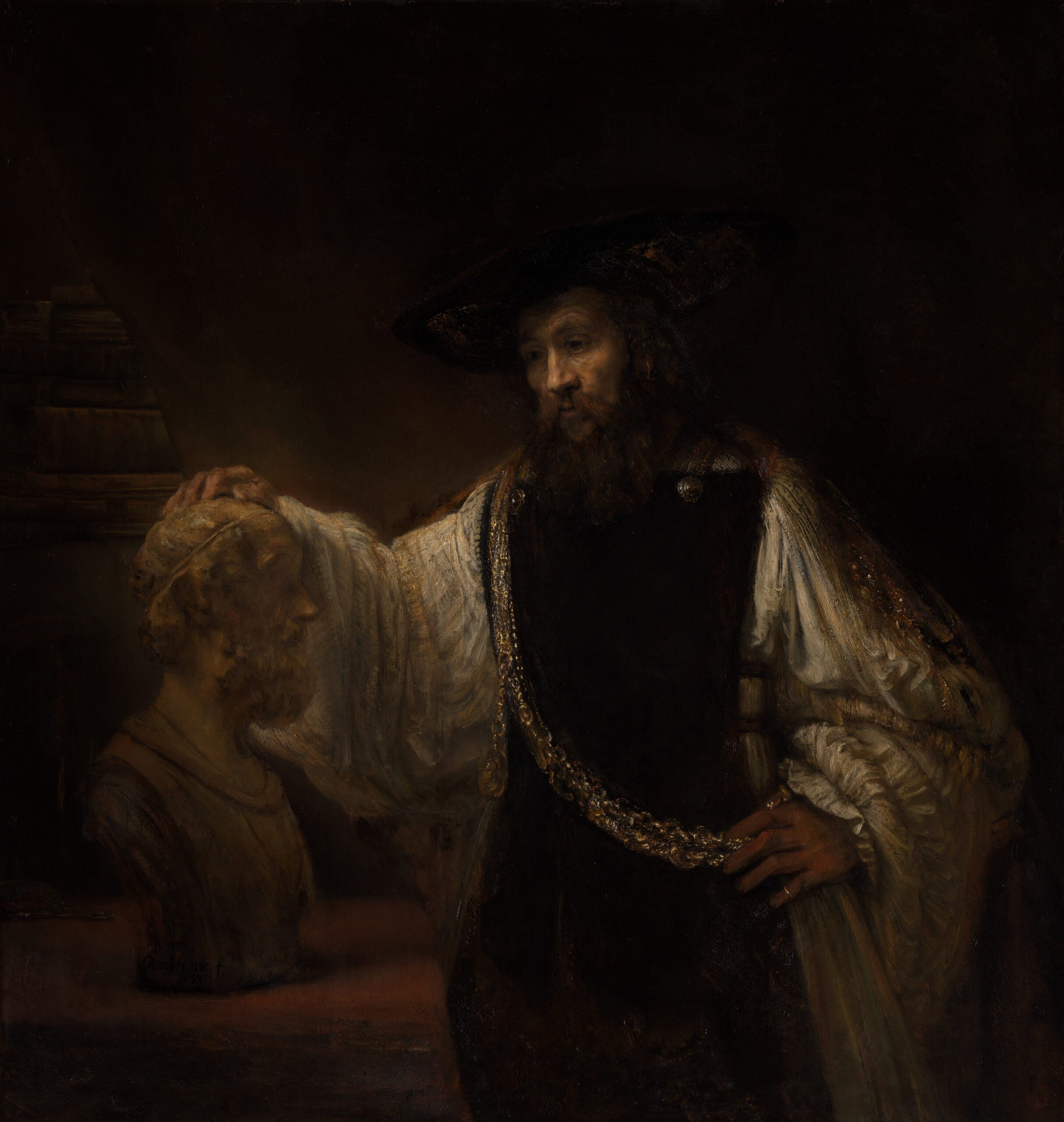
Technique Tuesday: Rembrandt’s Double Mirror – Self‑Portraits in the Uffizi
How Rembrandt uses brushwork, light, and costume to paint two very different self‑portraits in the Uffizi—turning his own face into a lesson in surface, structure, and time.
-
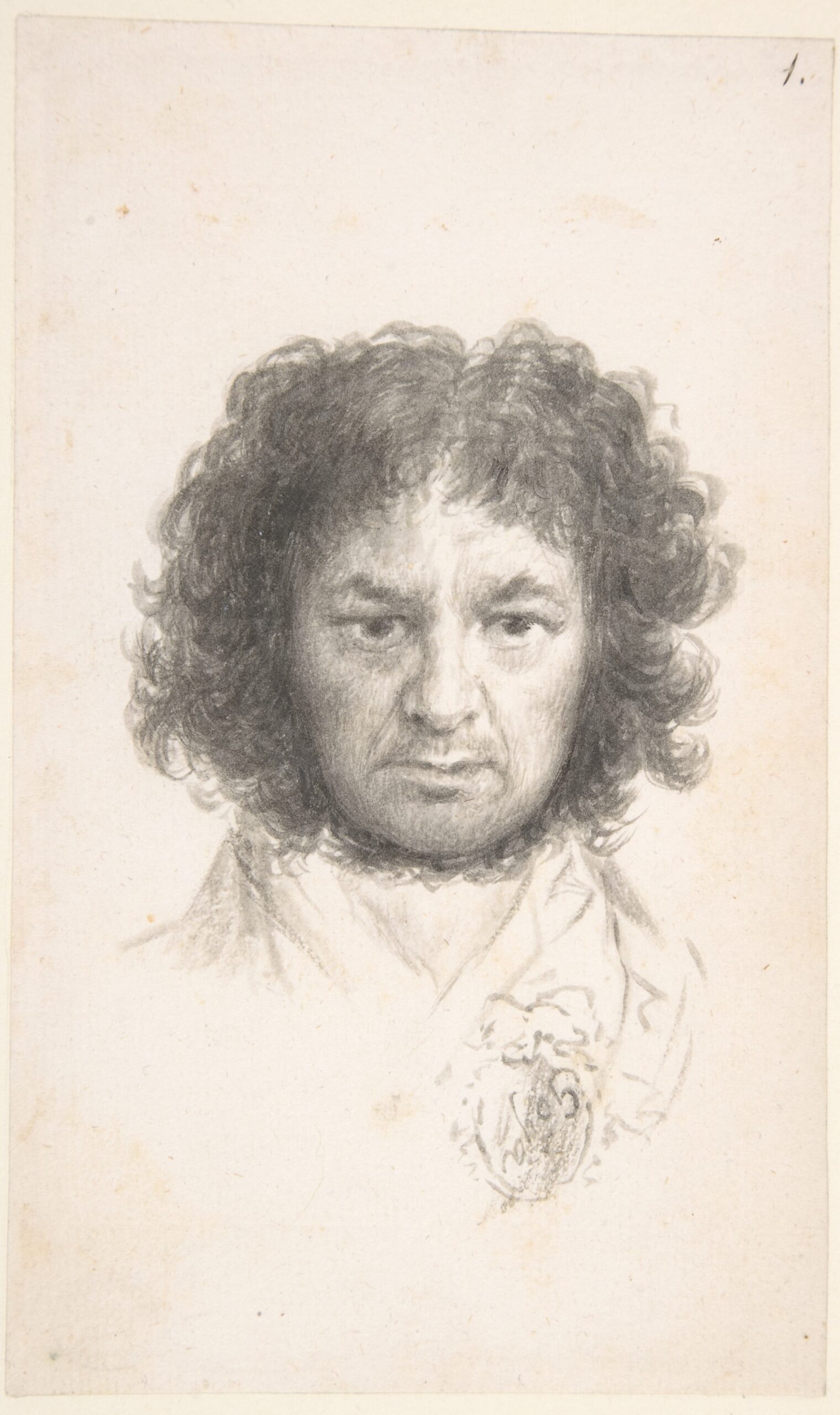
Painter’s Anecdote: Goya, Deafness, and the Murmurs on the Wall
How a sudden deafness at the Spanish court pushed Francisco de Goya inward—and turned his self‑portrait into a quiet manifesto for the strange, daring art to come.
-
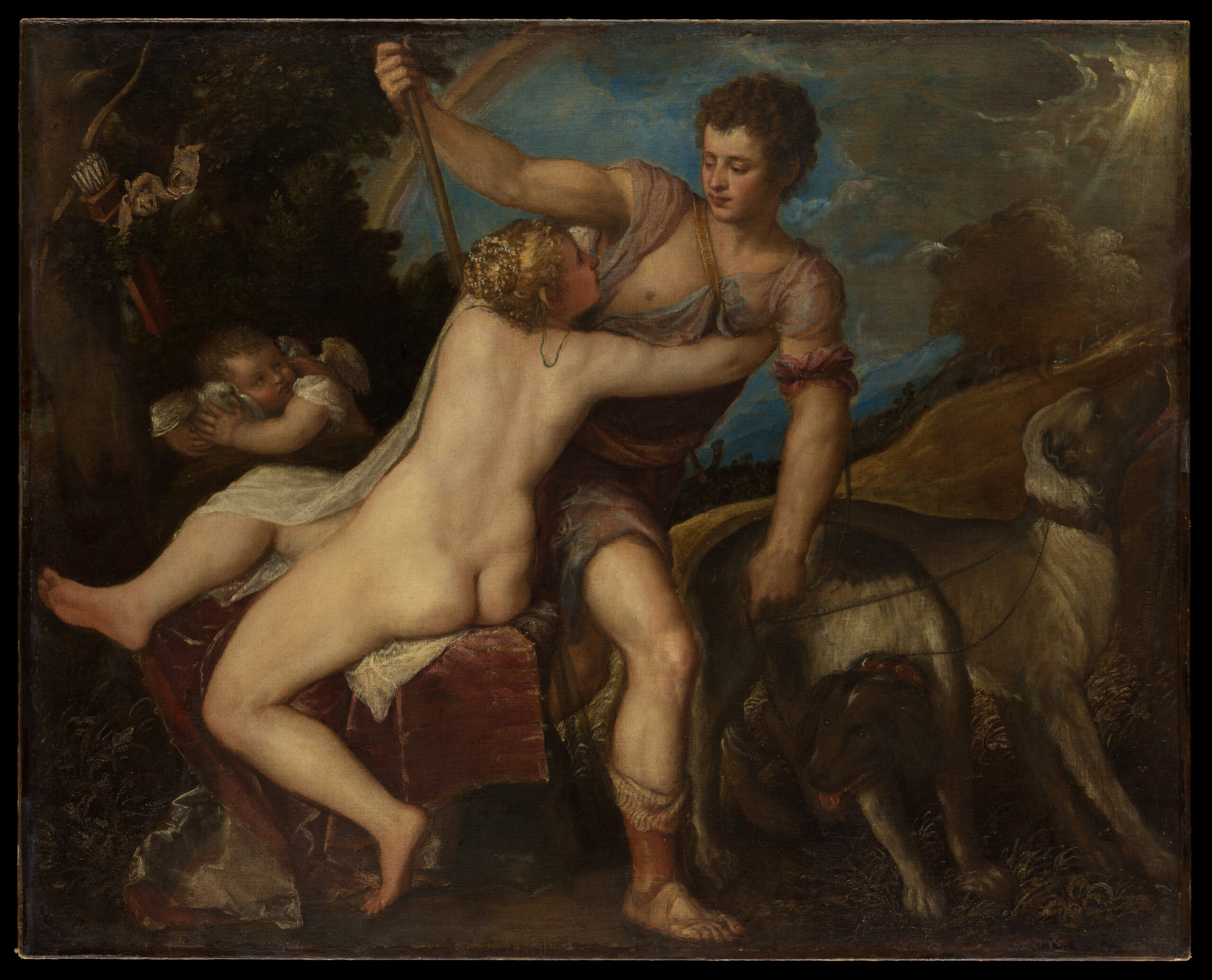
Technique Tuesday: Titian’s Golden Veil – Glazing Flesh in “Venus and Adonis”
How Titian’s layered oil glazes turn Venus’s skin in Venus and Adonis (1550s, The Met) into a luminous, living surface—more like light in flesh than paint on canvas.